article / August 24, 2026
Raising chickens, raising hope: Mamalade Youth build a brighter future
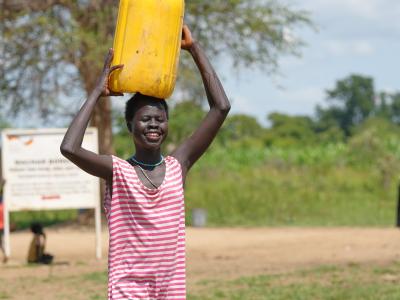
A member of the Mamalade Community youth group stands outside the poultry house holding one of the chickens raised through the youth-led poultry project. Photo: World Vision Solomon Islands.
article / August 26, 2026
From Palm Oil Waste to Eco-Charcoal: A Story of Youth Empowerment in Nyanza
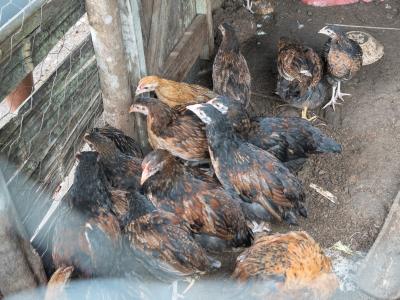
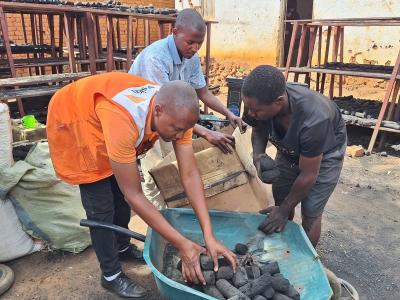
A group of driven young people in Nyanza — a commune in southern Burundi known for its oil palm — is rewriting challenges into opportunities. Trained by World Vision in business planning, organizational management, and mindset change, sixteen youths came together to form the Multiproduction Cooperative. Their mission: to transform residues left after palm oil processing into eco-friendly charcoal.
publication / September 2, 2026
Context and Conflict Analysis: Sustainable and Resilient Future Ninewa Project
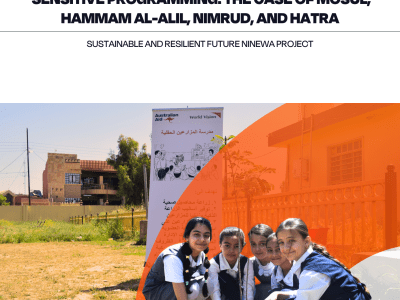
Explore World Vision’s Context and Conflict Analysis for Ninewa, Iraq, examining conflict dynamics, livelihoods, climate pressures, inclusion, and opportunities to strengthen resilience and social cohesion.
press release / August 25, 2026
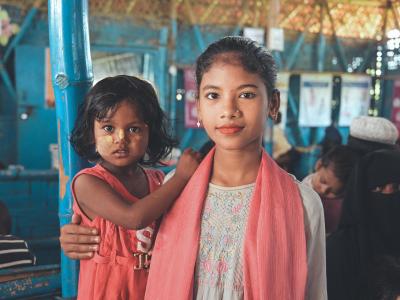
Nine Years of Struggle: Rohingya Children Caught Between Climate Disasters and Plunging Aid
Nine years into protracted displacement, escalating climate disasters and a 24% aid cut threaten 1.2 million Rohingya refugees, prompting World Vision to call for global responsibility-sharing and durable, nexus-driven solutions for children and host communities.
video / August 26, 2026
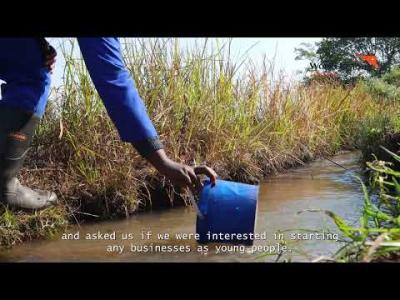
From Financial Struggles to a Thriving Farmer
At 31, Busisiwe is building a brighter future through farming after experiencing pregnancy as a teenager. Supported by World Vision’s HIV prevention project and Youth Enterprise Revolving Fund, she is strengthening her livelihood and economic independence.
article / August 31, 2026
Reclaiming Time, Restoring Childhood: Clean Water Arrives in Manguar After Decades of Need
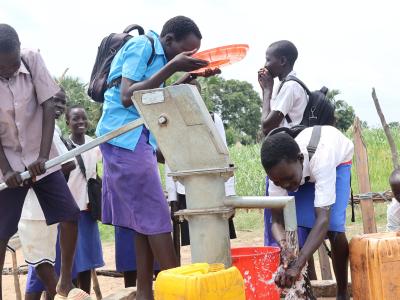
The new borehole at Manguar Primary School was made possible through the Enhancing Community Resilience and Local Governance Project Phase II (ECRP II), a government-led initiative funded by the World Bank and implemented by the Ministry of Finance and Planning and the Local Government Board, in partnership with World Vision.
article / August 31, 2026
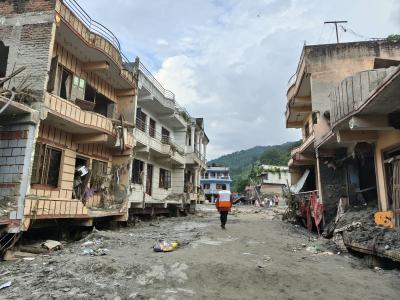
I Only Lost My Shoe. They Lost Their World.
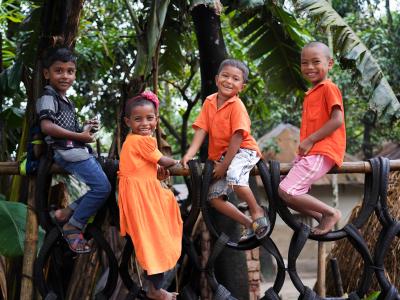
Golden light kissed shattered homes where memories slept beneath the mud. A red teddy bear lay silent in the ruins, carrying the echoes of childhood dreams swept away by the flood. I lost a shoe to the sludge, but thousands lost their homes, their safety, and the ordinary tomorrows they once imagined. Yet resilience rose like a river reed through the silt, bending beneath the torrent but refusing to break, as Bimala, a mother of a sponsored child, walked forward with quiet courage.
And above the wreckage, hope stood like sunlight after rain, stubborn as a seedling pushing through stone, refusing to be washed away.
video / August 21, 2026
Ebola Outbreak Reaches Critical Turning Point as World Vision Calls for Urgent Action
As Ebola cases continue to rise across eastern Democratic Republic of the Congo, the humanitarian response is at a critical turning point. In a recent media interview with Al Jazeera Media Network, World Vision DRC's East Zone Director, David Munkley, warned that the outbreak has exceeded all expectations, with daily cases increasing dramatically and the disease spreading into new health zones. He highlighted the urgent need for greater investment in prevention, community engagement and frontline health services, stressing that trusted local voices - including faith leaders, schools, community leaders and health workers - are essential to building confidence and helping communities adopt life-saving measures. Above all, he called for stronger support to protect children and families who remain at the heart of this crisis. Watch the full interview below and join us in raising awareness of the urgent need for collective action.

article / August 25, 2026
Water close to home, Hope close to heart
World Vision assessed the situation and rehabilitated the borehole through the funding of the German Federal Foreign Office (GFFO) Project as they saw the urgent needs of the community. The new borehole was built above ground level so it would be protected from contamination and accessible at all times of the year, as the Mangar-Tong area is affected by seasonal flooding.