publication / August 26, 2026
POLICY BRIEF: Debt for What?
This policy brief on public debt utilisation in Kenya and Zambia, examining how borrowed resources translate into development outcomes
article / August 20, 2026
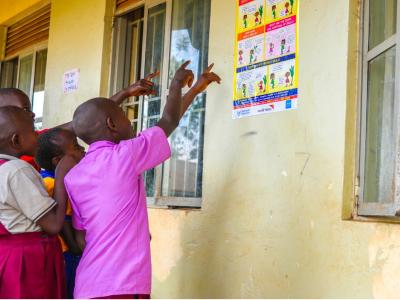
In Nyiragongo and Masisi, 8,000 households regain prospects thanks to the Emergency Response project
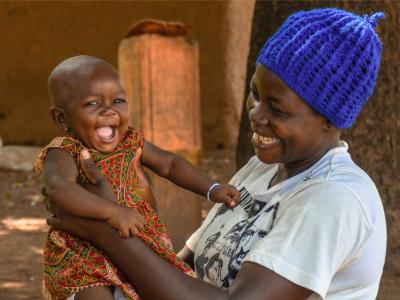
This article highlights how World Vision’s Emergency Response project in Nyiragongo and Masisi is helping 8,000 crisis-affected households rebuild their livelihoods and regain hope. Through vocational training, income-generating activities and livelihood kits, women and families have gained practical skills, increased their self-reliance and strengthened their ability to meet their children’s basic needs. Their stories demonstrate how economic empowerment can restore dignity, resilience and confidence among displaced and vulnerable communities.
publication / August 28, 2026
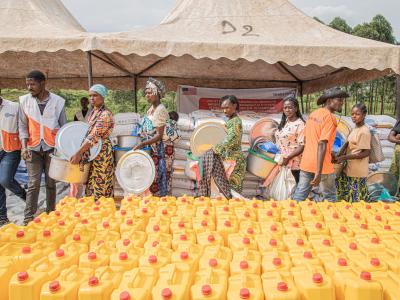
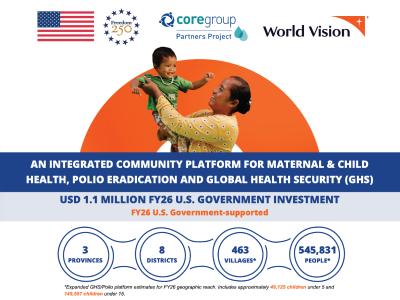
CORE Group Partners Project (CGPP) An Integrated Community Platform for Maternal & Child Health, Polio Eradication and Global Health Security (GHS)
CORE Group Partners Project (CGPP) An Integrated Community Platform for Maternal & Child Health, Polio Eradication and Global Health Security (GHS)
article / August 21, 2026
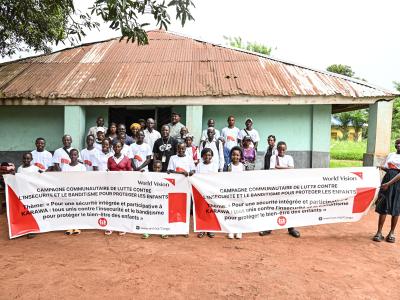
Karawa Communities Raise Their Voices for Security Through Citizen Voice and Action
This article highlights how communities in Karawa, North Ubangi, used World Vision DRC’s Citizen Voice and Action (CVA) approach to identify insecurity as a key concern and peacefully advocate for stronger protection measures. Through community mobilisation, dialogue with authorities and a formal advocacy memorandum, residents demonstrated how informed citizens can influence local governance and contribute to building safer, more resilient communities.
article / August 4, 2026
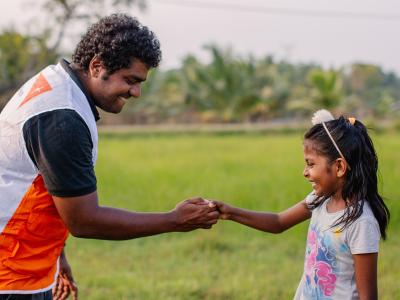
DR Congo: When a Project Ends, Protection Lives On Through the Legacy Carried by Communities in North Kivu
As the Emergency Response to WASH, Protection and Livelihood Needs of IDPs and Host Communities in North Kivu project comes to an end, its impact continues to live on through the people and communities it transformed. Through the voices of mothers, children, community volunteers, facilitators, mentors, and local leaders, this article highlights how Child-Friendly Spaces and Safe Spaces restored hope, strengthened protection systems, and empowered communities to safeguard children and survivors of gender-based violence. It demonstrates that while humanitarian projects may have a defined lifespan, the knowledge, resilience, and commitment they leave behind create a lasting legacy that continues to protect vulnerable families long after project activities have ended.
publication / July 29, 2026
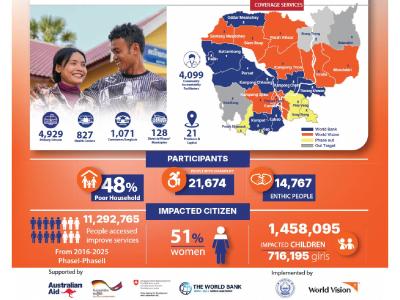
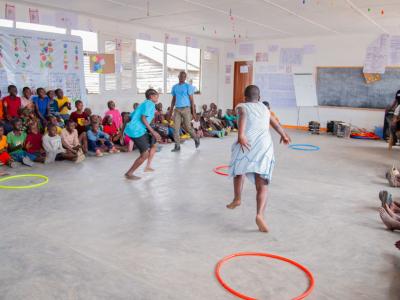
Factsheet | Engaging Citizens to Improve Service Delivery Through Social Accountability
Factsheet 2025 Engaging Citizens to Improve Service Delivery Through Social Accountability Project