Home

Get Involved

  • Donate
  • Get Involved
English
  • French
  • Spanish
  • Deutsch
  • Georgian
  • Arabic
  • Armenian
  • Bosnian
  • Albanian
  • Vietnamese
  • Portuguese, Portugal

Main navigation

  • Who We Are
    • About Us
      • Our History
      • Our Leadership
      • Our Vision & Values
      • Our Faith
      • Our Partners
      • Our Structure
    • Our Approaches
      • Advocacy
      • Emergency Relief
      • Our Global Strategy
      • Transformational Development
    • Contact Us
      • Careers and Internships
    • FAQ
  • What We Do
    • Focus Areas
      • Child Protection
      • Clean Water and Sanitation
      • Education
      • Fragile Context Programming
      • Health & Nutrition
      • Livelihoods
      • View All Sectors
    • Emergency Response
      • Afghanistan Emergency Response
      • El Niño Drought Response
      • Emergency Mpox Response
      • Global Hunger Crisis
      • Middle East Crisis Response
      • Myanmar Earthquake Response
      • Sudan Crisis Response
      • Syria Crisis Response
      • Ukraine Crisis
      • Venezuela Crisis
      • Yemen Emergency Response
    • Campaigns
      • ENOUGH food for every child
      • Ending Violence Against Children
  • Where We Work
    • Africa
      • Angola
      • Burkina Faso
      • Burundi
      • Central African Republic
      • Chad
      • Congo
      • Eswatini
      • Ethiopia
      • Ghana
      • Kenya
      • Lesotho
      • Malawi
      • Mali
      • Mauritania
      • Mozambique
      • Niger
      • Rwanda
      • Senegal
      • Sierra Leone
      • Somalia
      • South Africa
      • South Sudan
      • Sudan
      • Tanzania
      • Uganda
      • Zambia
      • Zimbabwe
    • Americas
      • Bolivia
      • Brazil
      • Canada
      • Chile
      • Colombia
      • Costa Rica
      • Dominican Republic
      • Ecuador
      • El Salvador
      • Guatemala
      • Haiti
      • Honduras
      • Mexico
      • Nicaragua
      • Peru
      • United States
      • Venezuela
    • Asia Pacific
      • Bangladesh
      • Australia
      • Cambodia
      • China
      • Hong Kong, SAR
      • India
      • Indonesia
      • Japan
      • Laos
      • Malaysia
      • Mongolia
      • Myanmar
      • Nepal
      • New Zealand
      • North Korea
      • Papua New Guinea
      • Philippines
      • Singapore
      • Solomon Islands
      • South Korea
      • Sri Lanka
      • Taiwan
      • Timor Leste
      • Thailand
      • Vietnam
      • Vanuatu
    • Middle East and Europe
      • Afghanistan
      • Albania
      • Armenia
      • Austria
      • Belgium
      • Bosnia and Herzegovina
      • Cyprus
      • European Union
      • Finland
      • France
      • Georgia
      • Germany
      • Iraq
      • Ireland
      • Italy
      • Jordan
      • Lebanon
      • Moldova
      • Netherlands
      • Romania
      • Spain
      • Syria
      • Switzerland
      • Türkiye
      • Ukraine
      • United Kingdom
      • West Bank
      • Yemen
  • Resources
    • News
    • Impact Stories
    • Thought Leadership
    • Publications
      • Annual Report
Home
wvi

Main navigation

  • Who We Are
    • About Us
      • Our History
      • Our Leadership
      • Our Vision & Values
      • Our Faith
      • Our Partners
      • Our Structure
    • Our Approaches
      • Advocacy
      • Emergency Relief
      • Our Global Strategy
      • Transformational Development
    • Contact Us
      • Careers and Internships
    • FAQ
  • What We Do
    • Focus Areas
      • Child Protection
      • Clean Water and Sanitation
      • Education
      • Fragile Context Programming
      • Health & Nutrition
      • Livelihoods
      • View All Sectors
    • Emergency Response
      • Afghanistan Emergency Response
      • El Niño Drought Response
      • Emergency Mpox Response
      • Global Hunger Crisis
      • Middle East Crisis Response
      • Myanmar Earthquake Response
      • Sudan Crisis Response
      • Syria Crisis Response
      • Ukraine Crisis
      • Venezuela Crisis
      • Yemen Emergency Response
    • Campaigns
      • ENOUGH food for every child
      • Ending Violence Against Children
  • Where We Work
    • Africa
      • Angola
      • Burkina Faso
      • Burundi
      • Central African Republic
      • Chad
      • Congo
      • Eswatini
      • Ethiopia
      • Ghana
      • Kenya
      • Lesotho
      • Malawi
      • Mali
      • Mauritania
      • Mozambique
      • Niger
      • Rwanda
      • Senegal
      • Sierra Leone
      • Somalia
      • South Africa
      • South Sudan
      • Sudan
      • Tanzania
      • Uganda
      • Zambia
      • Zimbabwe
    • Americas
      • Bolivia
      • Brazil
      • Canada
      • Chile
      • Colombia
      • Costa Rica
      • Dominican Republic
      • Ecuador
      • El Salvador
      • Guatemala
      • Haiti
      • Honduras
      • Mexico
      • Nicaragua
      • Peru
      • United States
      • Venezuela
    • Asia Pacific
      • Bangladesh
      • Australia
      • Cambodia
      • China
      • Hong Kong, SAR
      • India
      • Indonesia
      • Japan
      • Laos
      • Malaysia
      • Mongolia
      • Myanmar
      • Nepal
      • New Zealand
      • North Korea
      • Papua New Guinea
      • Philippines
      • Singapore
      • Solomon Islands
      • South Korea
      • Sri Lanka
      • Taiwan
      • Timor Leste
      • Thailand
      • Vietnam
      • Vanuatu
    • Middle East and Europe
      • Afghanistan
      • Albania
      • Armenia
      • Austria
      • Belgium
      • Bosnia and Herzegovina
      • Cyprus
      • European Union
      • Finland
      • France
      • Georgia
      • Germany
      • Iraq
      • Ireland
      • Italy
      • Jordan
      • Lebanon
      • Moldova
      • Netherlands
      • Romania
      • Spain
      • Syria
      • Switzerland
      • Türkiye
      • Ukraine
      • United Kingdom
      • West Bank
      • Yemen
  • Resources
    • News
    • Impact Stories
    • Thought Leadership
    • Publications
      • Annual Report
English
  • French
  • Spanish
  • Deutsch
  • Georgian
  • Arabic
  • Armenian
  • Bosnian
  • Albanian
  • Vietnamese
  • Portuguese, Portugal

Get Involved

  • Donate
  • Get Involved

Error message

The page you requested does not exist. For your convenience, a search was performed using the query health intervention 3 infectious disease prevention.

Popular searches:

  • Careers
  • Child Sponsorship
  • Childhood Rescue
  • Emergency Response
Search results: 1 - 10 of 14074
publication / March 9, 2026

Policy Overview | Famine Prevention & Food Security

Famine is not a natural disaster and can be prevented. Across the world’s hunger hotspots, early warnings are clear, yet governments continue to act too late – or not at all. Conflict, blockades, and the denial of humanitarian access, not food scarcity, are driving a deepening hunger crisis, with children suffering first and longest. As aid budgets are cut, the gap between need and response is widening fast. This is a false economy: preventing famine costs far less than responding once lives are already lost. World Vision warns famine can be predicted and prevented – but only if leaders act early, protect civilians, and put children at the centre of hunger prevention.
Policy Overview
publication / March 2, 2026

Policy Brief | Famine Prevention & Food Security

Policy Brief | Famine Prevention & Food Security
PB_FP_FS
publication / March 9, 2026

World Vision Mali 2025 Annual Report

World Vision Mali’s 2025 Annual Report highlights key achievements improving children’s lives through education, WASH, nutrition and humanitarian assistance.
EN Report IMG
article / March 6, 2026

Bridging the Gap. Clean Water as a Foundation for Health and Education in Mwinilunga

On February 18, 2026, Sailung’a Health Facility in Mwinilunga District marked a major step toward improved health services. World Vision Zambia handed over a modern ablution block and water system to the facility. The new infrastructure strengthens access to safe water and sanitation for patients, mothers, children, and health workers.
Ablution
article / March 2, 2026

Health Within Reach: Reducing Child Mortality in Rural Mozambique

In Manica Province, Mrs. Ana’s grandson Emanuel survives malaria and diarrhoea thanks to trained Polyvalent Health Agents supported by the Rotary Healthy Communities Challenge Project, bringing lifesaving care closer to rural families in Mozambique.
Natacha and Emanuel playing
article / March 11, 2026

DR Congo: Interview - Does The Fight Against Cholera Require the Mobilization of The Entire Community?

This interview with Dr. Liliane Shacko, Acting Chief Medical Officer of the Manika Health Zone in Kolwezi, discusses the cholera outbreak that began in December 2025 and the response efforts underway to contain it. She explains how the outbreak started in the Mutoshi Health Area, outlines the current situation with more than 200 cases recorded, and highlights the measures taken by health authorities and partners, including the establishment of treatment centres, water chlorination points and community awareness campaigns. Dr. Shacko also addresses ongoing challenges such as high population mobility and the continued arrival of cases from neighbouring health zones. She emphasizes the critical role of partners like World Vision in supporting prevention and community engagement, while urging residents to follow hygiene measures and seek immediate medical care if symptoms appear.
Dr Liliane in her office
article / March 11, 2026

DR Congo: Community Mobilization And Supply Support Strengthen The Cholera Response In Kolwezi

A cholera outbreak that began in December 2025 in the Manika Health Zone of Kolwezi, Democratic Republic of Congo, has prompted a coordinated response from health authorities, community health workers, and humanitarian partners. With support from World Vision, essential medical supplies, water treatment materials, and sanitation equipment were provided to strengthen prevention, treatment, and community awareness efforts. Community health workers have played a central role in educating families about hygiene practices, water chlorination, and early referral of suspected cases. Through these combined efforts, thousands of residents in high-risk neighbourhoods have received clean water and cholera prevention messages. While the response is helping reduce transmission risks, health authorities warn that continued vigilance and community mobilisation remain essential due to ongoing population movement and the risk of the outbreak spreading to neighbouring areas.
Two health workers mixing chlorine
opinion / January 26, 2026

Beyond Pills: How to End Neglected Tropical Diseases

Dr Eun Seok Kim says NTD elimination requires more than drugs. Lasting change comes from safer environments, engaged communities, and resilient health systems.
A young child opens her mouth to receive a pill from a World Vision staff
article / February 25, 2026

Community health workers in Ouallam: silent guardians strengthening epidemic response

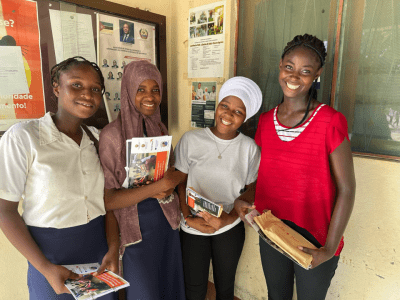
In Ouallam, 39 community health workers support families daily despite insecurity and scarce resources. According to Souleymane Idrissa, head of the Ouallam health center, trainings provided through the “Strengthening access to care and epidemic control” project funded by World Health Organization and implemented by World Vision Niger and ISCV marked a major turning point. Health workers gained critical skills in managing gender-based violence, encouraging referrals, and supporting survivors, including access to psychological care. The project also strengthened disease surveillance through training on the minimum emergency activity package, enabling faster detection and reporting of measles, malaria, cholera, meningitis, and other serious illnesses, even in displaced persons sites. Long-serving relays like Seyni Seydou and Maimouna Birgui describe a deepened sense of purpose, improved knowledge, and stronger community trust. Beyond technical skills, the trainings enhanced awareness-raising, early care-seeking, and social cohesion. Today, community health workers in Ouallam act as true health sentinels, better equipped to prevent disease, respond to epidemics, and protect their communities.

Pagination

  • Page 1
  • Page 2
  • Page 3
  • Page 4
  • Page 5
  • Page 6
  • Page 7
  • …
  • Next page Next ›
  • Last page Last »

World Vision

Footer

  • About Us
    • Our Vision & Values
    • Our History
    • Our Leadership
    • Our Structure
    • Our Partners
    • Accountability
    • FAQ
  • Our Approaches to Change
    • Child Sponsorship
    • Global Campaign
    • Our Global Strategy
    • The Role of Faith
  • Work with Us
    • Our Culture
    • Careers & Internships
    • Explore Open Positions
    • Internships
    • Open Tenders
  • Connect With Us
    • Facebook
    • Youtube
    • Twitter
    • Instagram
    • LinkedIn
    • Contact Us
    • World Vision in Your Country/Region
    • Report a Concern

Get Our Newsletter

form-submit-link on the Mailchimp signup in the footer

Accountable Now

Footer Legal

  • © 2026 World Vision International
  • Privacy Policy
  • Terms of Use