article / September 4, 2026
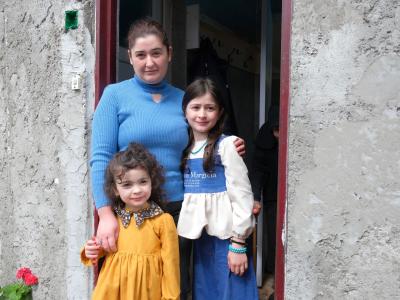
A Mother of Six and Her Path to Accounting Career
In a small village in Western Georgia, Teona, , a 35-year-old mother of six, proved that it is never too late to pursue a dream. Driven by a determination to build a better future for her family, she set out to turn her passion for numbers into a professional accounting career. With the support of her devoted family and World Vision, Teona overcame financial and practical obstacles, proving that resilience and timely support can turn ambitions into reality.
article / September 2, 2026
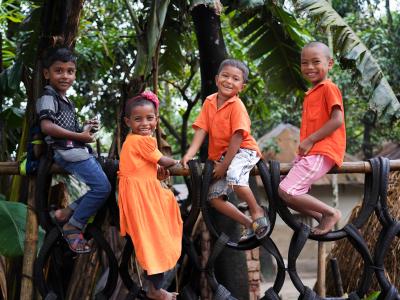
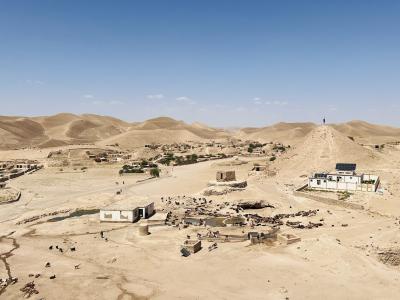
Building Dignity, Restoring Health: How Community Contributions Transformed an Entire Village into an Open Defecation-Free Community
Discover how Khuja Espalan village in Faryab became Open Defecation-Free through community action, local contributions, and improved sanitation.
publication / September 4, 2026
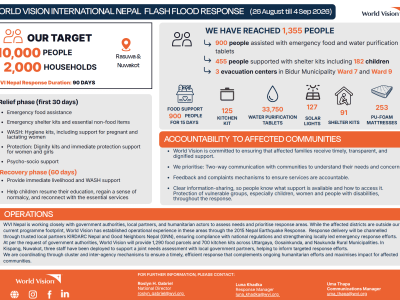
Situation Report 2: Nepal Flash Floods Response 2026
World Vision Reaches 1,355 People Following Nepal Flash Floods
publication / August 28, 2026
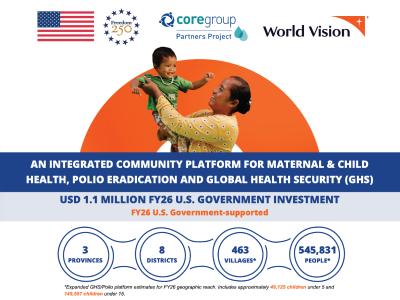
CORE Group Partners Project (CGPP) An Integrated Community Platform for Maternal & Child Health, Polio Eradication and Global Health Security (GHS)
CORE Group Partners Project (CGPP) An Integrated Community Platform for Maternal & Child Health, Polio Eradication and Global Health Security (GHS)
article / August 27, 2026
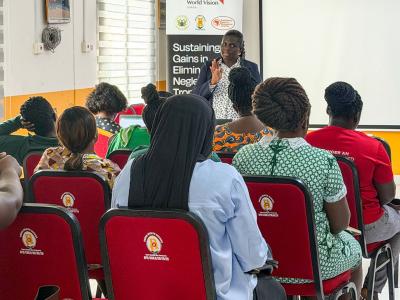
World Vision Ghana Trains over 270 Health Workers to Strengthen Community-Based Surveillance and Care for Neglected Tropical Diseases
World Vision Ghana, in partnership with the National NTD Programme, is strengthening community-based surveillance and care for neglected tropical diseases through the training of frontline health workers, improving early detection, referrals, NHIS enrolment and access to essential healthcare services.
article / August 30, 2026
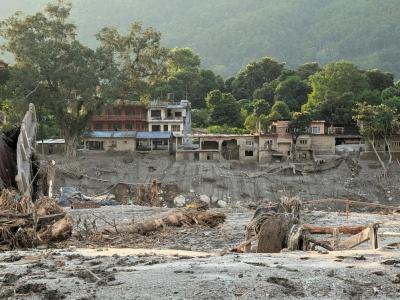
"The community is no longer recognizable" | Nepal Flash Floods Response 2026
When floodwaters swept through Devighat, Nuwakot, they left behind more than damaged homes. Families were displaced, children's routines were disrupted, and entire sections of the community became unrecognizable. In this field account WVI Nepal staff shares observations from the ground and the urgent needs facing children and families in the aftermath of Nepal's 2026 flash floods.
article / August 24, 2026
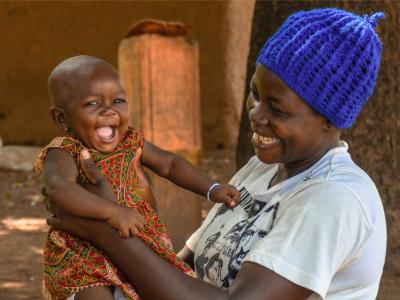
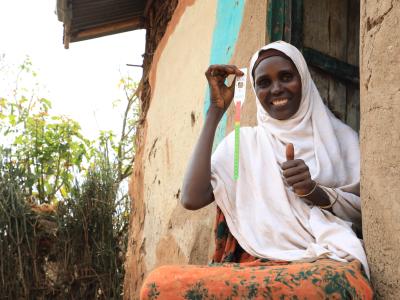
A Mother's Knowledge, A Child's Recovery
A mother trained in Family MUAC screening identified her child’s malnutrition early, helping him recover and enabling more children in East Bale to access timely treatment.
publication / September 3, 2026
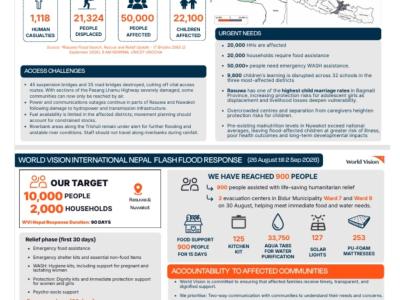
Situation Report 1: World Vision International Nepal | Nepal Flash Floods Response 2026
As of 2 September 2026, World Vision International Nepal's Flash Flood Response Situation Report 1 provides an overview of the humanitarian impact of the devastating floods affecting Rasuwa, Nuwakot, Dhading, and surrounding districts. With 50,000 people affected and more than 21,000 displaced, the report highlights urgent needs in food security, shelter, WASH, child protection, and education. It outlines World Vision's 90-day emergency response targeting 10,000 people across 2,000 households and reports that 900 people have been reached with life-saving assistance, including food support, kitchen kits, shelter kits and essential non-food items, water purification supplies, solar lights, hygiene kits, dignity kits for women and girls, and psychosocial support.