publication / June 10, 2026
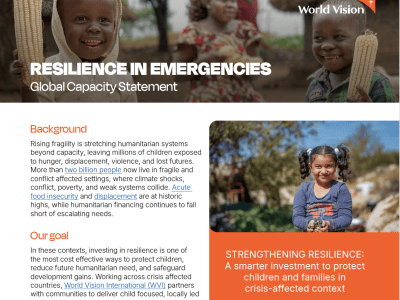
Resilience In Emergencies | Global Capacity Statement
Resilience in emergencies helps protect children from hunger and crisis, so they can survive today and build a safer future tomorrow.
article / June 10, 2026
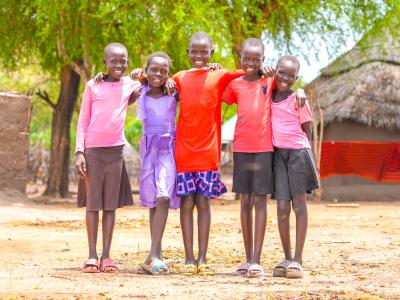
Ownership that lasts: Refugees in Pagirinya settlement take the lead in creating sustainable impact.
In Pagirinya Refugee Settlement, refugees are shifting from passive recipients of aid to active leaders of community development.
press release / June 12, 2026
Show a Red Card to Child Labour: Joining Forces Nepal Urges for Accelerated Action on Eliminating Child Labour in Nepal
Joining Forces Nepal urges stronger action to end child labour, highlighting laws, challenges, and the need for collaboration, protection, and support for children.
publication / June 11, 2026
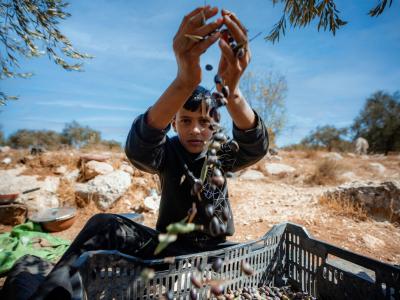
In the Shadow of Hunger: The Power of Self-Reliance to Protect Children and Restore Hope
In the Shadow of Hunger: The Power of Self-Reliance to Protect Children and Restore Hope
article / June 13, 2026
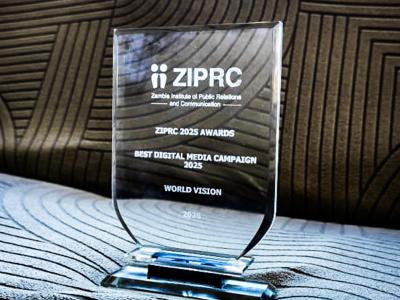
World Vision Zambia Wins Best Digital Media Campaign at ZIPRC 2025
When the Zambia Institute of Public Relations and Communications announced its 2025 awards, World Vision Zambia walked away with First Prize in the Best Digital Media Campaign category — recognition earned not in boardrooms, but in the communities where the real work happens. The award reflects a year of deliberate, story-led communications that placed children at the centre of every message, every image, and every decision about what to say and how to say it.
article / June 5, 2026
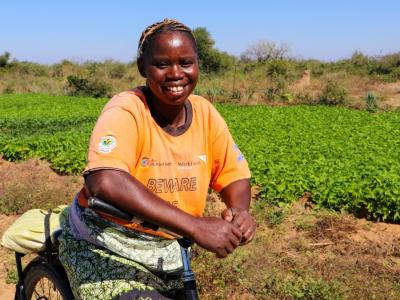
When Opportunity Takes Root: Flora’s Story of Resilience
Like many persons of concern, Flora faced limited opportunities to earn an income. Although she had access to a 0.2-hectare plot of land allocated by the Government of Zimbabwe, she lacked the resources needed to make it productive.
article / June 5, 2026
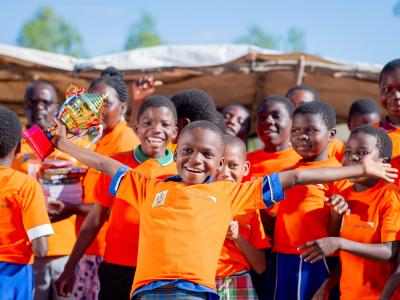
From Shy Learners to Champions: How Quiz Competitions Are Transforming Lives at Mwanga Primary School
World Vision is helping learners at Mwanga Primary School excel academically through quiz competitions that build confidence and improve classroom performance. Learners who once used not to do well are now performing better in class and have also boosted their confidence.
press release / June 5, 2026
World Vision Launches "I'm Wearing the 10 for Children," a Regional Mobilisation for Child Protection
World Vision launches “I’m Wearing the 10 for Children,” a regional campaign mobilising action to protect children across Latin America.
article / June 13, 2026
World Vision Zambia Wins Best Social Marketing Organisation of the Year 2025
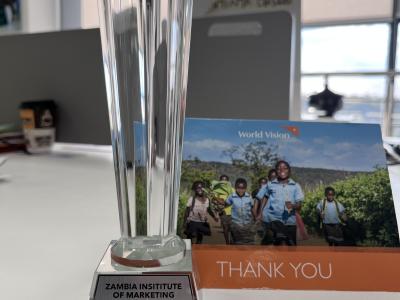
World Vision Zambia has been named Best Social Marketing Organisation of the Year 2025 at the Zambia Institute of Marketing's 29th Annual Marketing Conference and Awards, a recognition that belongs not to us, but to the people who made it possible.
article / June 9, 2026
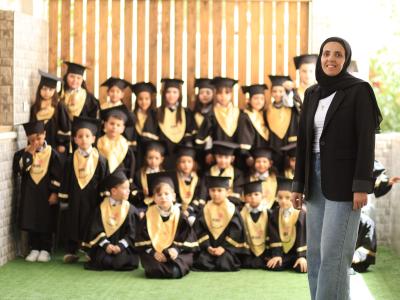
“The Child Inside Me Is Still Dreaming”
In Beit Awwa, Jumana transformed a mother’s concern into a mission to create safe spaces for children through child protection and community support.