
article / August 24, 2026
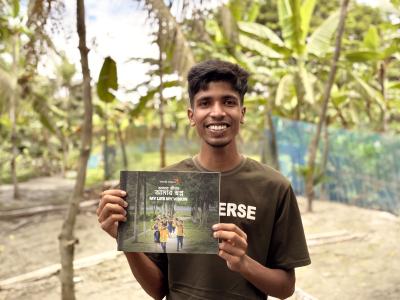
How Education Helped Durjoy Turn Hardship into Hope
Durjoy, our sponsored child from Bagerhat, overcame hardship to achieve GPA 5 in his SSC examination and pursue his dream of becoming an engineer. His story reflects how World Vision’s Sponsorship programme is helping transform the lives of thousands of children and families.
article / August 24, 2026
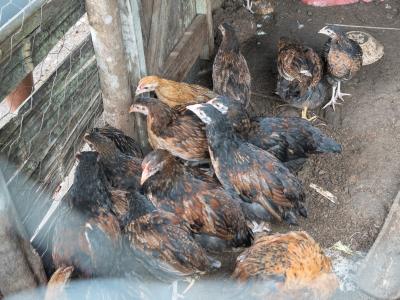
Raising chickens, raising hope: Mamalade Youth build a brighter future
A member of the Mamalade Community youth group stands outside the poultry house holding one of the chickens raised through the youth-led poultry project. Photo: World Vision Solomon Islands.
article / August 21, 2026
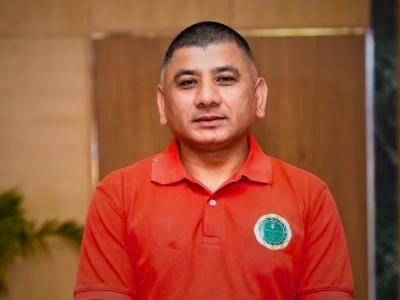
Standing with Children Through Crisis and Recovery
Having lived through the 2015 earthquake himself, Surendra Ratna Shakya has dedicated his career to supporting vulnerable children and families through crisis and recovery.
publication / August 26, 2026
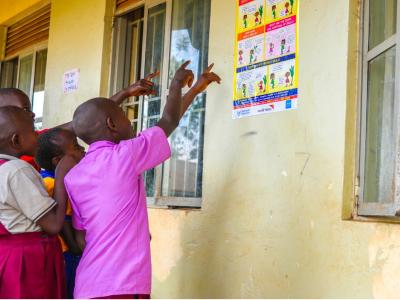
POLICY BRIEF: Debt for What?
This policy brief on public debt utilisation in Kenya and Zambia, examining how borrowed resources translate into development outcomes
press release / August 25, 2026
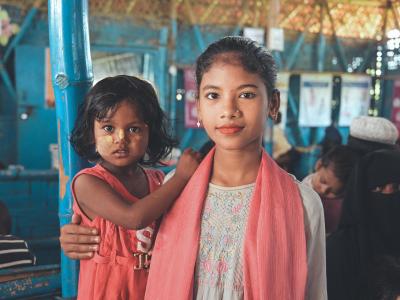
Nine Years of Struggle: Rohingya Children Caught Between Climate Disasters and Plunging Aid
Nine years into protracted displacement, escalating climate disasters and a 24% aid cut threaten 1.2 million Rohingya refugees, prompting World Vision to call for global responsibility-sharing and durable, nexus-driven solutions for children and host communities.
article / August 25, 2026
Two Meals a Day: MALIYETU’s Fight to Keep 16 Children Fed
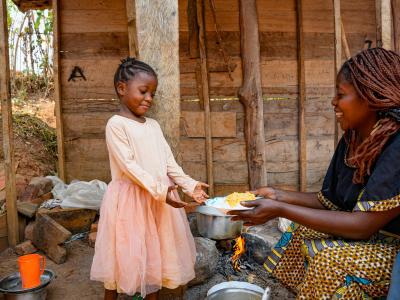
After losing her home to the devastating Bushushu landslides and later fleeing conflict in Kalehe, 37-year-old MALIYETU struggles to provide for the 16 children in her care. With her husband out of work and the family surviving on just one meal a day, food assistance from WFP and World Vision has become a vital lifeline. Her story highlights the resilience of displaced families in eastern DRC and the power of humanitarian assistance to restore dignity, prevent malnutrition and give vulnerable households hope for a more secure future.
article / August 24, 2026
From Flood Recovery to Malaria Prevention in Gaza
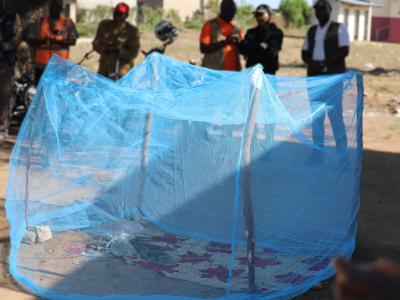
Malaria risk rises in Mozambique’s Gaza Province after floods, prompting a major mosquito-net campaign to protect vulnerable families, especially children and pregnant women.
article / August 24, 2026
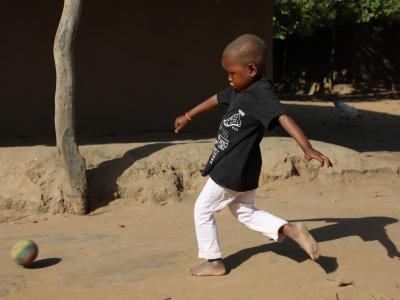
Trangelito Kicks His Way Back to Health
After battling severe acute malnutrition and malaria, five-year-old Trangelito regained his strength with timely medical care and continued support from community volunteers in Monapo.
press release / August 26, 2026
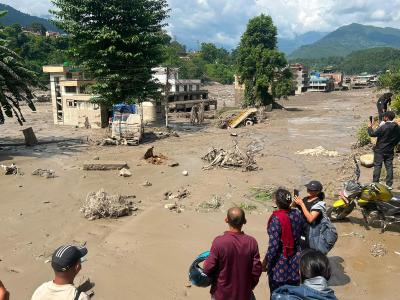
Flash flood devastates Rasuwa and Nuwakot, leaving 162 dead and over 400 missing; World Vision International Nepal readying humanitarian response
Copilot said:
Flash floods in Rasuwa and Nuwakot have caused widespread devastation, leaving 95 dead and nearly 400 missing. WVI Nepal is preparing emergency food and shelter assistance for affected families.