article / July 23, 2026
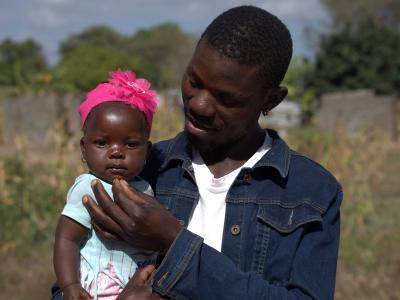
Breaking the Cycle: A Father Who Chose to Be There from the Very Beginning
One father's decision to register his daughter is challenging traditions in rural Mozambique, showing how positive parenting and birth registration are transforming children's lives.
article / July 20, 2026
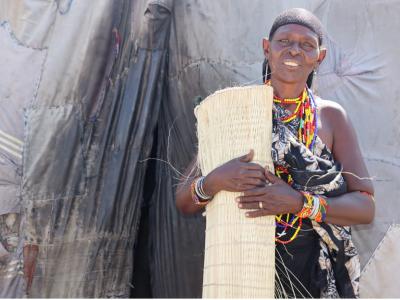
It Ends with Me: A Mother’s Determination to Break the Cycle of Child Marriage
Learn how, at nine, Dima Wario's childhood ended in marriage. After years of abuse and hardship, she is now speaking out against child marriage
article / August 6, 2026
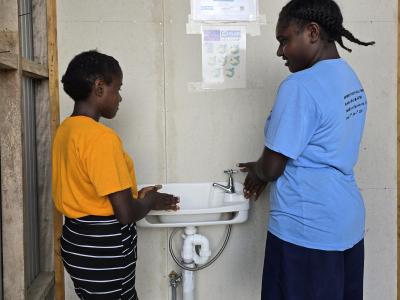
Breaking Barriers and Building Dignity at Tanginare Primary School
Discover how improved sanitation at Tanginare Primary School in rural Bougainville transformed students' health, dignity, and confidence by providing safe, accessible toilet facilities and creating a better learning environment.
press release / June 12, 2026
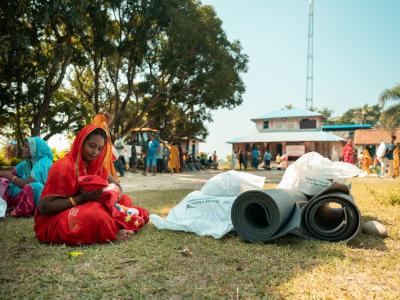
Show a Red Card to Child Labour: Joining Forces Nepal Urges for Accelerated Action on Eliminating Child Labour in Nepal
Joining Forces Nepal urges stronger action to end child labour, highlighting laws, challenges, and the need for collaboration, protection, and support for children.
publication / July 16, 2026
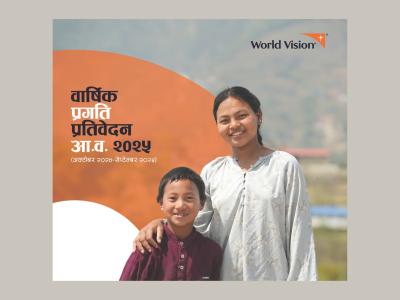
Annual Progress Report FY2025|World Vision International Nepal|Nepali
World Vision International Nepal FY25 report, in the Nepali version, highlights the impact reaching 448,342 people, including 307,961 children, through education, livelihoods and protection programmes.
publication / May 27, 2026
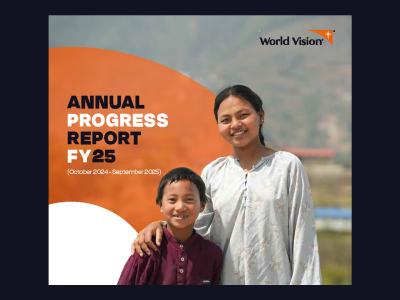
Annual Progress Report FY2025|World Vision International Nepal|English
World Vision International Nepal FY25 report highlights impact reaching 448,342 people, including 307,961 children, through education, livelihoods and protection programmes.
publication / July 6, 2026
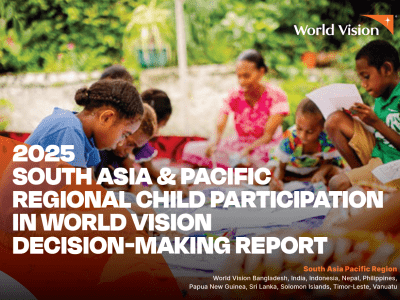
2025 South Asia & Pacific Regional Child Participation in WV Decision-Making Report
The 2025 Regional South Asia & Pacific Child Participation Report details the impact of engaging boys and girls in decision-making at local and national levels.
video / August 14, 2026
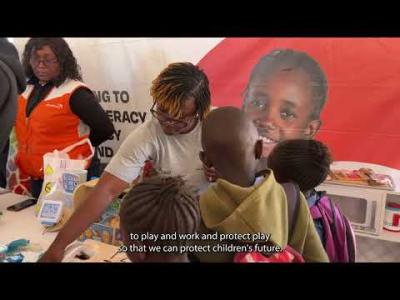
Learning Through Play
Play is not a break from learning; play is learning.
In classrooms across Zambia, children build confidence, creativity, and social skills through guided play. Structured play helps young learners grasp new concepts faster, work well with others, and develop problem-solving skills that stay with them for life.
article / June 4, 2026
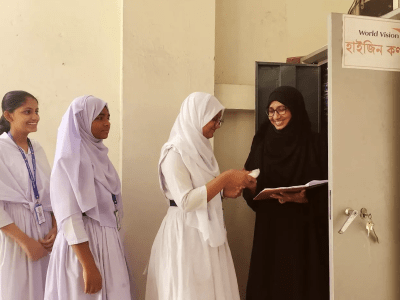
Advancing Sexual and Reproductive Health and Rights across Asia and the Pacific
World Vision partners and experts unite to advance Sexual and Reproductive Health and Rights (SRHR) across communities in Bangladesh, Cambodia, Laos, Nepal, and Timor-Leste.
article / June 15, 2026
Hope Amid the Waters: Stories from Mahottari
Flood devastation in Mahottari reveals stories of loss, courage and resilience as three mothers rebuild their lives with hope and support from World Vision.