

Are we making online safety laws for children without listening to them?
Lisa O’Shea, Senior Director Child-Led and Digital Advocacy, reflects on Safer Internet Day on why children’s voices remain absent from global online safety regulation.
February 9 2026.
The conversation about how to better protect children online is finally gaining momentum. Governments, technology companies and communities are speaking with greater urgency about the risks children face in digital spaces. Yet one thing has barely shifted. Children themselves remain largely absent from decisions about their digital lives.
That gap matters. It helps explain why many online safety policies struggle to deliver the safer and fairer digital environments that children say they need. From bullying and harassment to sexual exploitation and extortion, online threats are increasing at an alarming scale, speed and severity. More than 300 million children worldwide experienced technology-facilitated sexual exploitation and abuse in the past year, including the non-consensual creation, sharing or exposure of sexual images. Reports of suspected child sexual abuse material increased by over 200% reaching nearly 2.5 million cases globally. The victims are overwhelmingly young, 93% are aged between three and thirteen years old, and 99% are girls. This is not a future risk. It is happening now.
Children are already living online
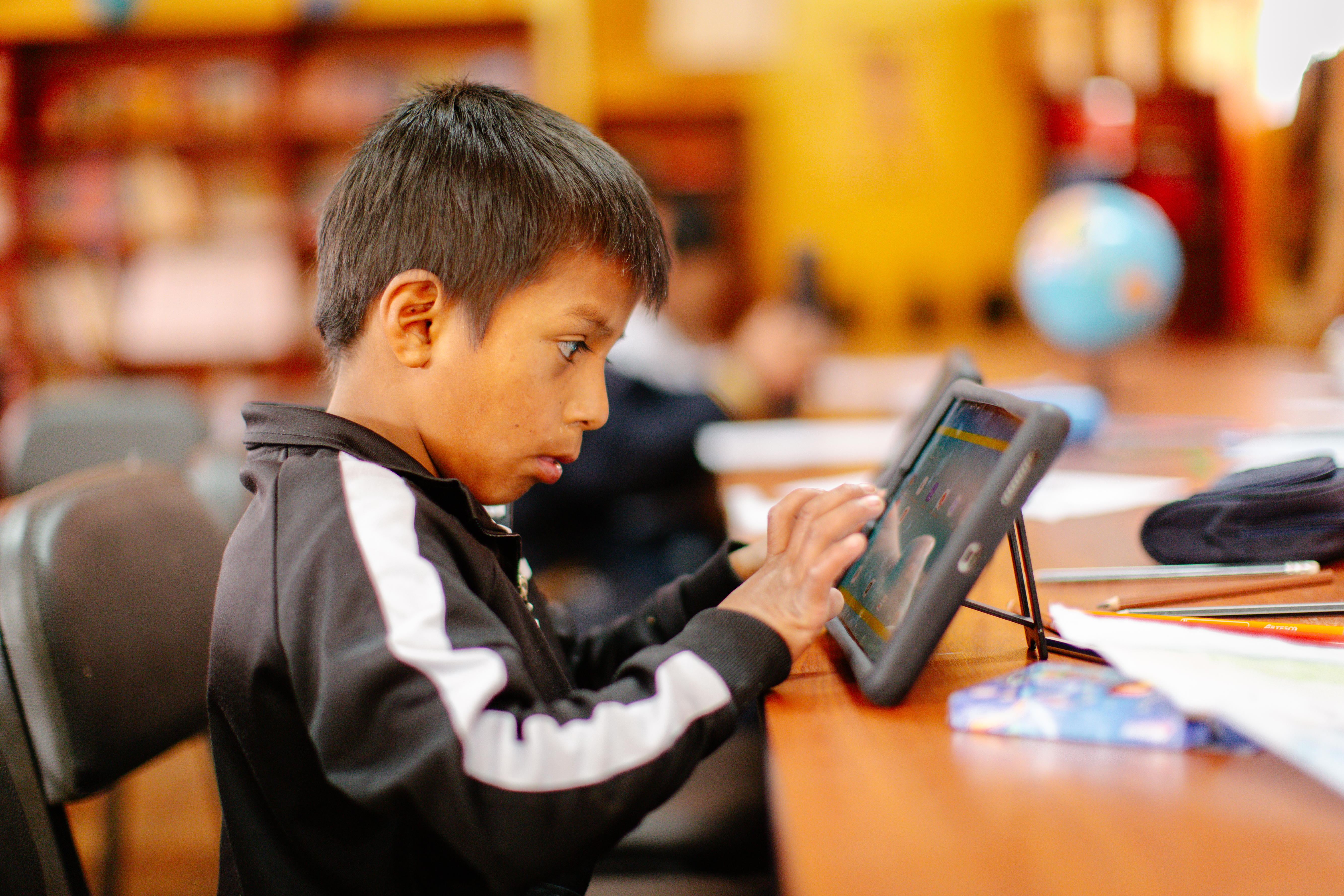
Children are growing up in a world where technology and social media are woven into daily life. As one child in Burundi explained, “We use apps for learning, entertainment and to get information about the world.” Digital access potentially creates opportunities to learn and to connect with others. However, children are expected to navigate risks they did not create, within digital environments that were not built with them in mind.
Parents and teachers are often left trying to compensate for design choices over which they have little influence. In consultations across nine countries, children described uncertainty about how and whether to report harmful experiences and the reactions they expect from adults. A child in Sri Lanka shared, “Sometimes we are scared to report because adults might get angry or punish us.”
Regulation is moving
The scale of online harm has finally prompted some governments to act. Australia has strengthened its Online Safety Act. Spain has announced tighter age-verification measures and access limits for younger children and other countries such as the United Arab Emirates have introduced their own reforms. These changes signal an important shift away from relying on voluntary corporate action but legislation alone will not deliver the digital environments children are calling for. Their implementation and the resources required for enforcement remain uneven. Crucially, most have been developed without the meaningful involvement of children themselves.
Quiet, excluded and yet affected partner
The reality is that children have almost no ability to influence the design of the platforms they use or the policies that shape their digital lives. Established mechanisms for child participation in platform governance or regulation is frequently lacking despite clear guidance in the Convention on the Rights of the Child and General Comment 25. This gap is not accidental. It is structural. And until it is addressed, we will continue to fall short of what children need.
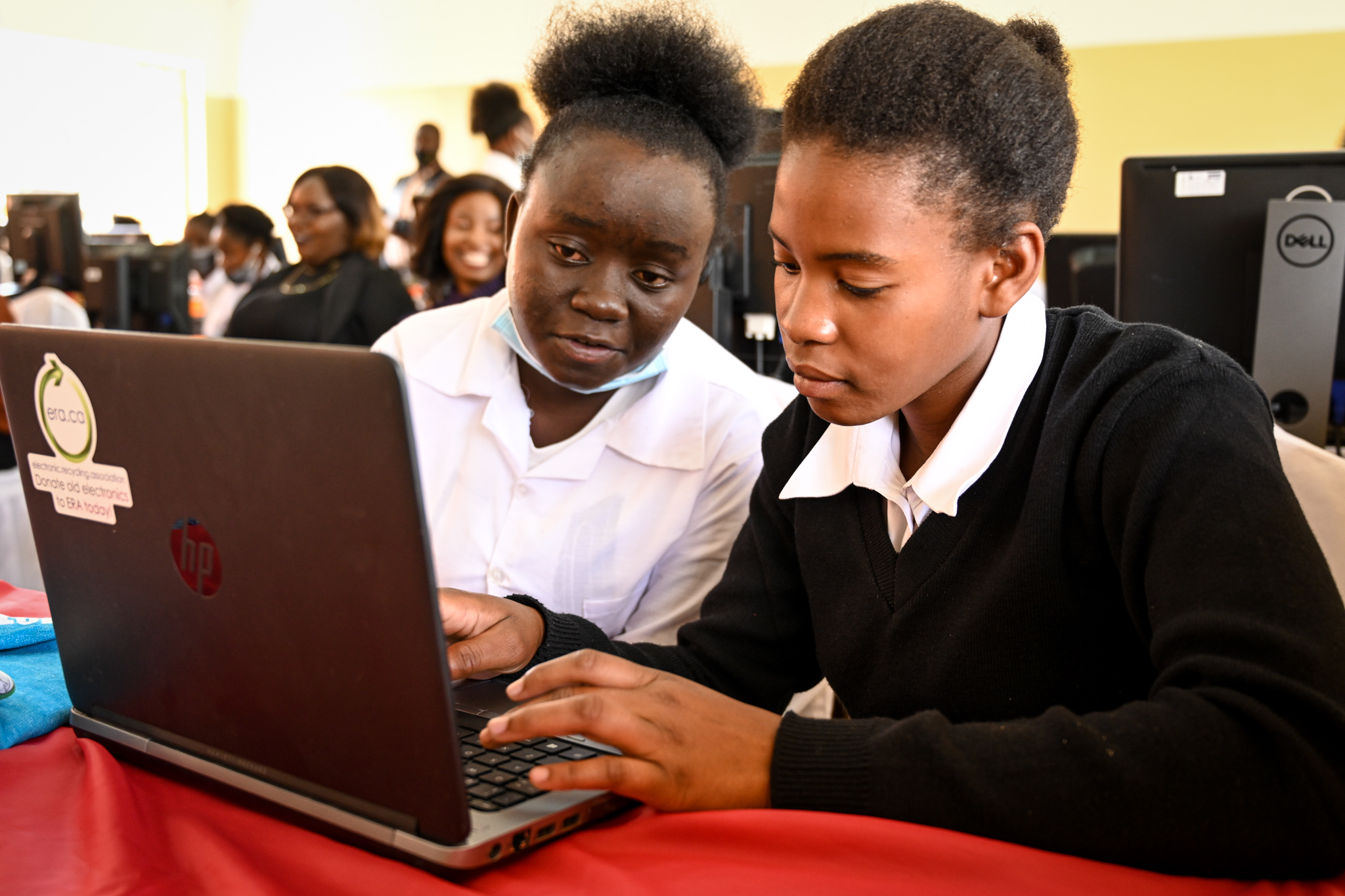
My own experience developing a digital advocacy platform with children at World Vision has brought this into sharp focus. Time and again, we found that safeguarding was not embedded within existing platform architectures. It had to be added later. Co-designing with children revealed strong demand from children for online safety training as a first step, alongside clearer moderation and reporting tools for supporting adults. It also showed how much stronger outcomes become when children shape them, including creative, cross-country advocacy directed at G20 leaders on school meals. Safety features were too often missing by default.
What co-design with children actually changes
When children tell us, “We should not leave the internet. It should change so it works better for children,” they are offering a clear direction. They want protection but they also want respect. They want digital spaces where they can express themselves and where they can participate and advocate without fear. They want adults to recognise the value of online participation for their development, rather than reprimanding them when harm occurs online.
A genuine shift requires more than removing harmful content or issuing penalties to powerful companies. It means embedding safety into platform design, ensuring age-appropriate experiences, improving reporting mechanisms and strengthening data and privacy protections. It also means investing in the wider systems that support children online, including education curricula and teacher training. Above all, it requires participatory mechanisms that allow children to shape the decisions that affect them.
This Safer Internet Day should challenge us to rethink who gets to influence the future of the digital world. Children’s voices must no longer sit at the margins of policy, design or regulation. When we treat children as partners rather than passive beneficiaries, we stand a far better chance of building digital environments that reflect the value we place on their lives, rights and contributions.
Lisa O’Shea is World Vision’s Senior Director Child-led and Digital Advocacy, in WVI's Advocacy and External Engagement team. With experience spanning health, HIV and AIDS, climate change, trade and the European Parliament, she has worked with World Vision in South Africa, Kenya and Lebanon and is now based in the United Kingdom. She is committed to ensuring children and citizens can influence the decisions that shape their lives.
Subscribe to see more content like this
Related Resources

Are We Failing to Secure Children’s Safe Digital Futures?

Are we finally ready to let child advocates shape climate action?
