


With every cut to aid and failure to invest in resilience, the future of South Sudan’s children hangs in the balance
Drawing on firsthand experience from one of the world’s most fragile contexts, Paul Kinuthia, Senior Director, Food, Cash & Markets, Disaster Management, argues that repeatedly cutting food, health, and protection services traps communities in endless crisis. He makes the case that narrowing aid to short‑term survival is a false economy that drives higher costs, deeper instability and repeated emergencies. The solution, the author provides, is urgent investment in resilience alongside life‑saving aid. This investment should be seen as a credible way to protect children and reduce the need over time.
The humanitarian system is being asked to do the impossible: respond to record levels of conflict, displacement and climate shocks with the least funding it has seen in a decade. According to the UN’s Global Humanitarian Overview (GHO) 2026, humanitarian budgets have fallen to levels last seen in 2016, forcing agencies to close health centres, cut food rations, halt nutrition outreach and suspend protection services even as needs continue to rise.
I recently visited South Sudan, where this widening gap between rising needs and retreating, and shrinking support is no longer theoretical. It is unfolding in real time. The country demonstrates with stark clarity why cutting aid without investing in resilience does not save money or lives. For children and their communities already struggling to survive, each cut in funding traps them into recurring crises, where each shock compounds the last, and each response becomes more costly than before. And in all these, it is the children who bear the heaviest burden, as inadequate support continues to erode their safety, well-being, and hopes for the future.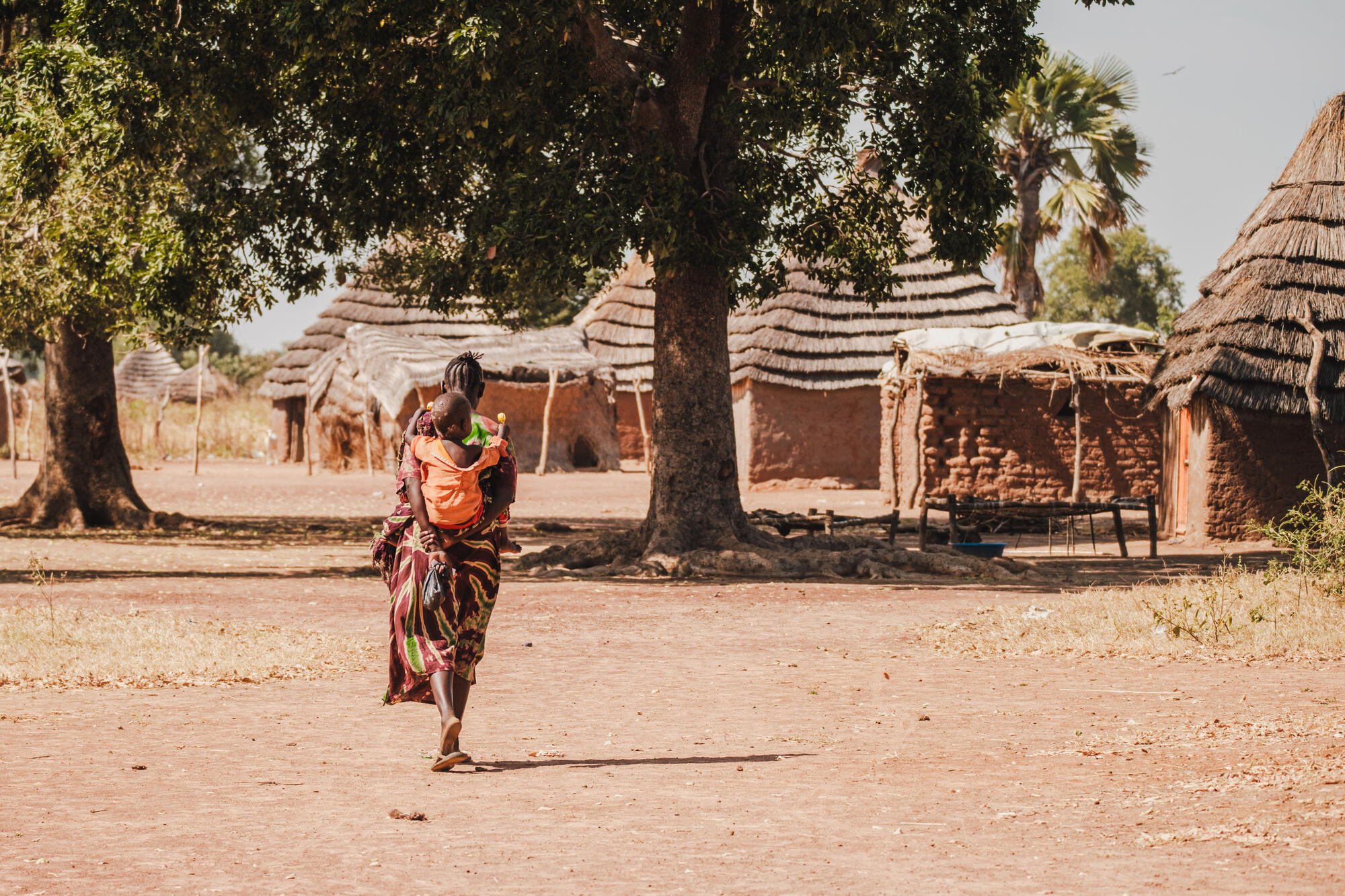
When emergencies never end
South Sudan is no stranger to crisis. Years of conflict, political fragility, economic collapse and climate extremes have eroded livelihoods and public services. Internal displacements are becoming more frequent, with humanitarian access increasingly restricted. Across South Sudan, over 10 million people, nearly half of whom are children, need humanitarian assistance. More than 280,000 people were displaced by fighting and air attacks in late 2025 and early 2026 alone. These numbers do not include the tens of thousands forced to flee because their homes were submerged by floods. At the same time, the country is absorbing a steady flow of people fleeing the war in neighbouring Sudan, which is now the world’s biggest displacement crisis. The need is immense, and the resources are scarce.
In the communities that we visited in Upper Nile and Central Equatorial states, these realities were impossible to ignore. Health centres serving both host communities and displaced people are overcrowded and under-resourced. Community health workers and teachers have gone months without pay.
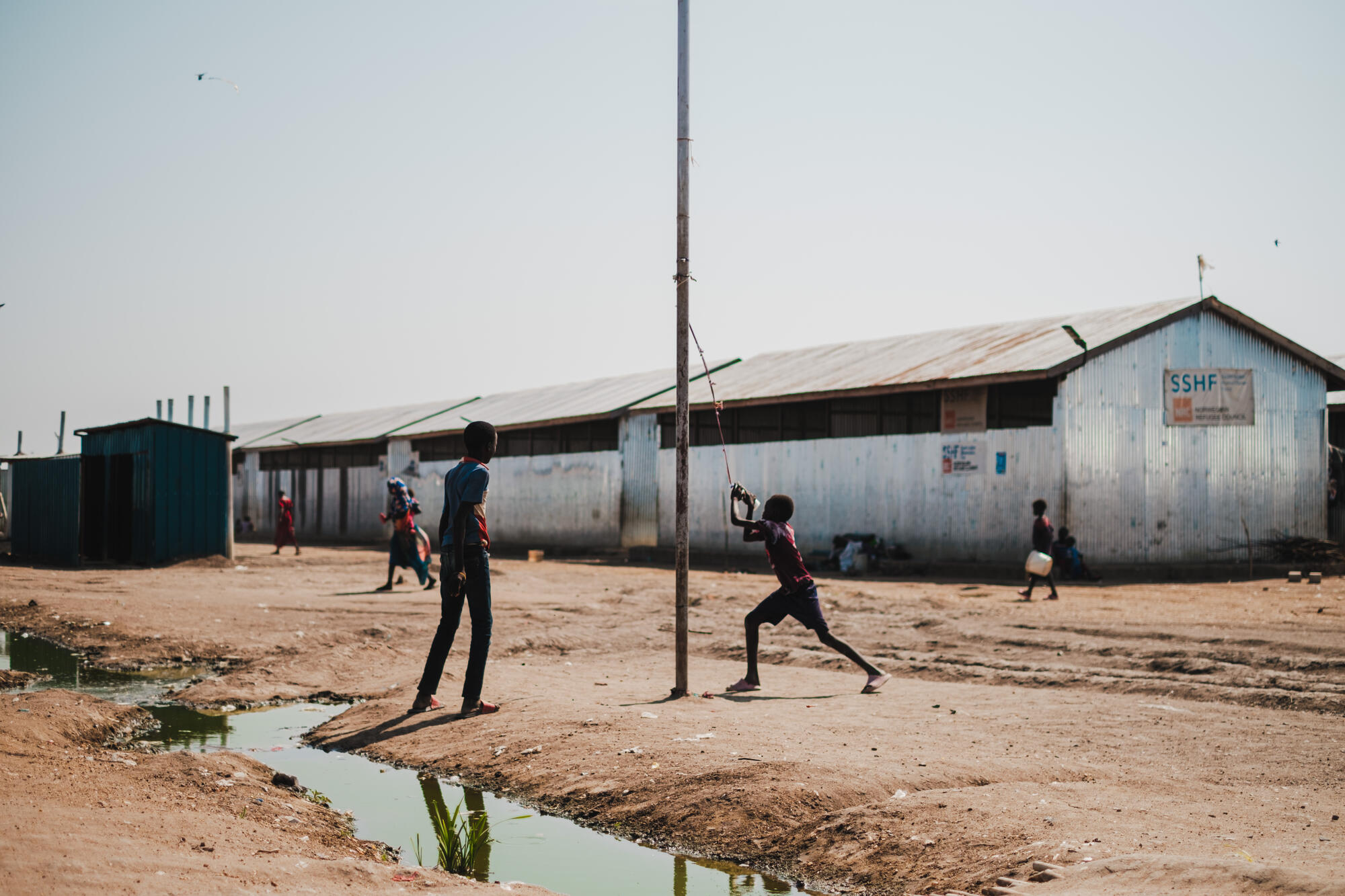
In places like Renk in Upper Nile, a county near the Sudanese border, transit centres built for a few thousand people are now sheltering three times that number, many of whom are women and children who have fled violence in Sudan and have nowhere else to go. Families arrive exhausted, some separated from loved ones, carrying little more than what they can hold, and others are coping with gender-based violence or with acute physical and psychological needs. Some services have already been reduced or halted because funding is uncertain or ending.
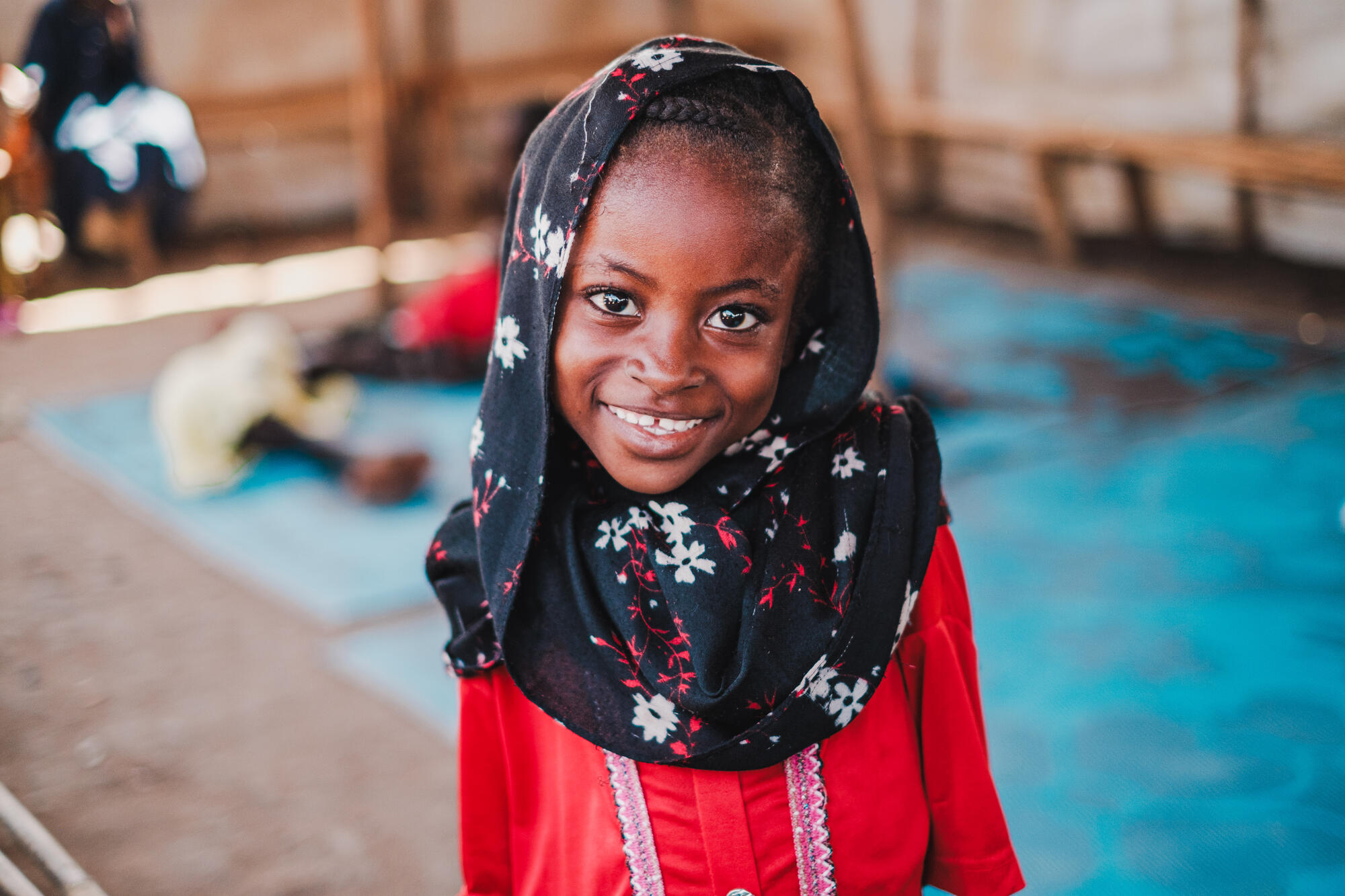
Children are everywhere in this story, whether in crowded waiting areas, in overstretched nutrition programmes, or in schools struggling to operate. They are also the first to suffer when aid is withdrawn, food rations are reduced, clean water runs out, and protection services disappear.
The false economy of short-term aid
Faced with these realities, donors are increasingly forced into difficult choices. The humanitarian system is in “hyper‑prioritisation” mode, narrowing assistance to only the most immediate, life‑saving needs and leaving millions without support. This approach may look pragmatic in the short-term. In reality, it is a false economy, one that guarantees repeated crises, higher costs and deeper human suffering.
In South Sudan, emergencies do not arrive neatly one at a time. When assistance focuses only on survival in the moment without strengthening livelihoods, local services and community capacity, families are pushed back into crisis as soon as the next shock hits. The result is predictable: the same communities require the same emergency response, year after year, at ever‑increasing cost.
What resilience looks like in practice
There is a persistent myth in aid debates that resilience, supporting livelihoods, local systems and community capacity, is a “nice to have” that can be postponed until crises are over. But in South Sudan, humanitarian aid and resilience should go hand in hand if we are to end the cycle of dependency.
Where emergency food or cash assistance is paired with investments in livelihoods, nutrition, water systems and community-based peacebuilding, households are better able to recover and adapt to future risks. Drawing on decades of experience operating across emergency response, recovery, and longer-term development, World Vision is well positioned to bridge humanitarian assistance and sustainable outcomes, particularly in fragile and conflict-affected settings.
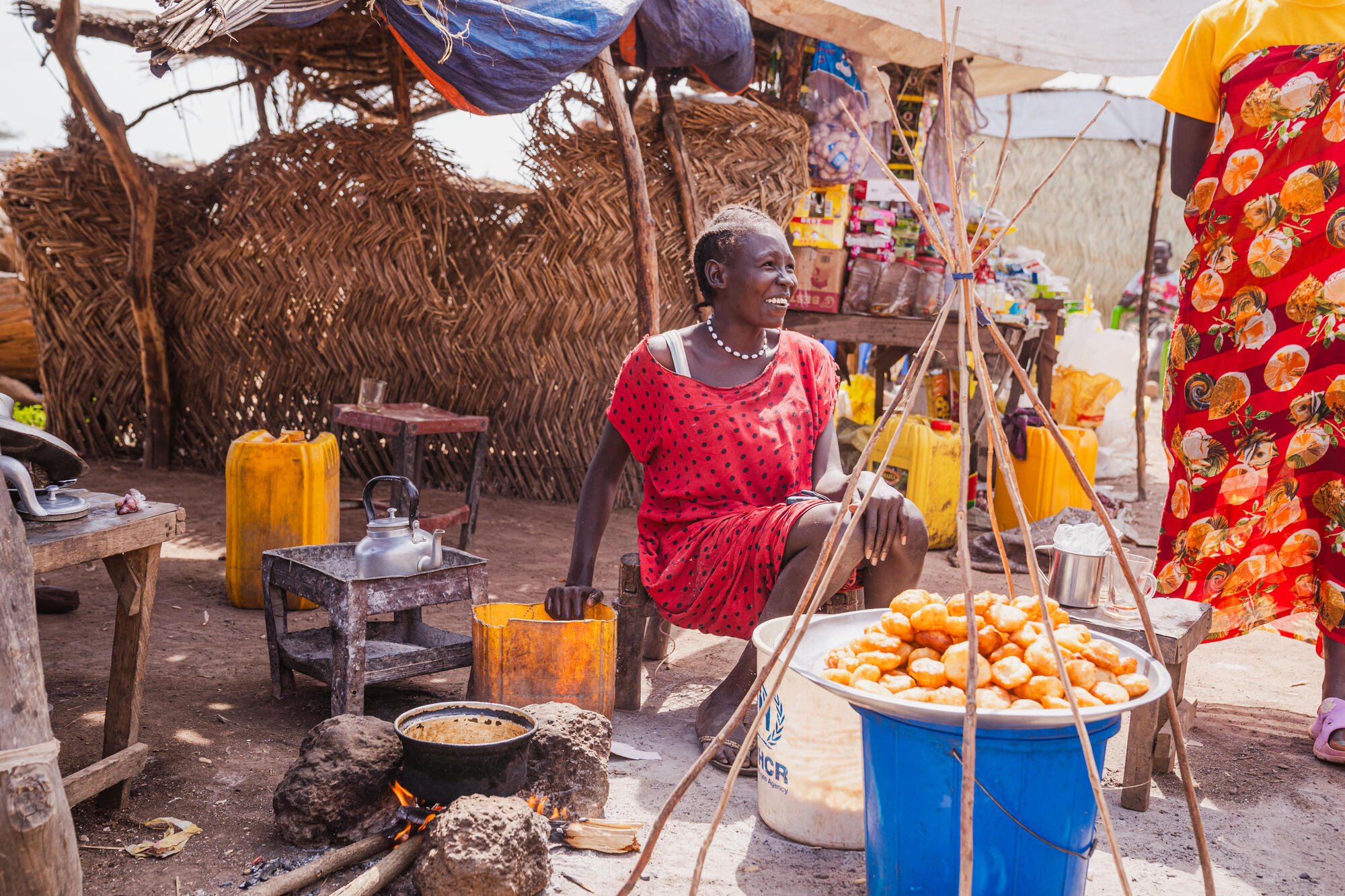
Evidence from World Vision’s integrated programming in South Sudan demonstrates this clearly. In partnership with WFP, UNHCR, UNICEF and other donors, World Vision, supported over 2 million people, including children, in 2025, through this integrated programming, where over 900,000 people received food and cash assistance. When emergency food or cash assistance is paired with climate-smart agriculture, livelihood diversification, nutrition services, water system strengthening, and community-based peacebuilding, families can stabilise food consumption more quickly, rebuild assets, recover faster from shocks, and reduce reliance on repeated humanitarian assistance.
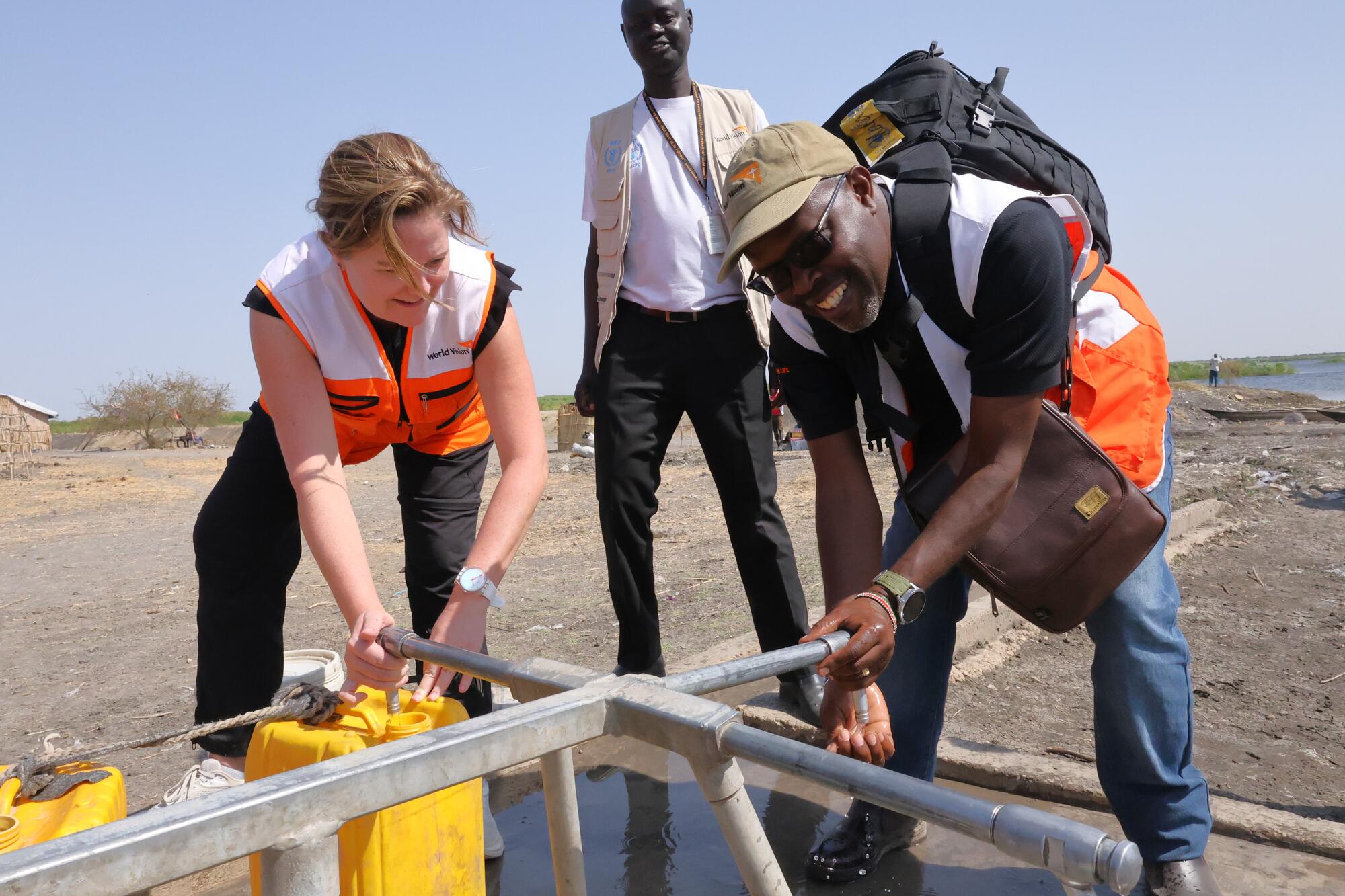
In urban areas like Juba, integrating nutrition services into primary health care units and strengthening community outreach has helped maintain access in some of the most food‑insecure neighbourhoods, even as funding pressures mount. In rural areas, linking food assistance to climate‑smart agriculture and market‑based livelihoods has enabled families to withstand shocks that would otherwise push them back into crisis.
Resilience does not replace life‑saving aid; it protects it.
 A regional dimension
The conflict in Sudan has turned South Sudan into a frontline state once again. Thousands continue to cross the border each week, often into communities that were already struggling. As the humanitarian needs deepen, host communities are being pushed to the brink, even as funding for refugee responses remains dangerously low.
This regional dimension makes resilience even more urgent. Supporting host communities alongside refugees and returnees is essential for social cohesion and stability. Where services collapse and livelihoods disappear, tensions rise. Where communities are supported to cope, adapt and recover, the risk of further conflict diminishes.
Humanitarian funding alone will not be enough to resolve issues. Flexible, multi-year funding must be paired with political action to protect civilians, uphold humanitarian access and address the root causes of conflict, impunity and climate vulnerability.
The cost of inaction will be paid by children
For donors facing shrinking budgets, this matters. While emergency response remains essential, investing in solutions that address underlying vulnerabilities can help reduce long‑term costs and recurrent humanitarian pressures.
The case of South Sudan is not an outlier but a warning. If current funding trends continue without greater emphasis on resilience, more health centres will close, nutrition programmes will be suspended, children will drop out of school, and more families will be forced to flee again when the next shock hits and there will always be a next shock.
Cutting aid and narrowing responses may balance budgets in the short term, but it guarantees deeper crises in the long run. Resilience should not be a slogan in places like South Sudan; it is the credible way to reduce need, protect humanitarian investments and give children a chance at a future beyond survival.
The question facing the international community is not whether it can afford to invest in resilience. It is whether it is willing to keep paying the price of not doing so.
About the author:
Paul Kinuthia is a seasoned humanitarian leader and Senior Director for Food, Cash, and Markets at World Vision International, with deep expertise in food assistance, cash and voucher programming, school meals, and resilience in fragile contexts. His expertise includes food and cash programming, championing localisation, donor engagement, and child‑focused approaches that link nutrition, protection, and education. Guided by strong values, Paul focuses on transforming humanitarian aid into dignified, sustainable systems that empower communities and protect children.
Subscribe to see more content like this
Related Resources

A market stall restores hope and dignity for women in Aweil East
