

If AI is shaping children’s futures, why are we still making decisions without them?
Aimy Gabriel explores why AI governance cannot succeed when children's experience and expertise remain largely excluded from decisions about its future.
July 6, 2026.
“We know many things about online life, ask us first.” Child, Timor Leste
The irony is hard to ignore. Children and young people are often described as digital natives. Adults point to how connected they are, how much of their lives takes place online, and how instinctively they use technology. What we acknowledge far less is that, when decisions are made about the AI systems shaping that world, their experience and expertise are frequently missing from the discussion.
While world leaders debate AI governance frameworks in Geneva this week, young people are already living with the consequences of decisions being made today. They experience first hand how these systems shape what they learn, what information they see, how they interact with others, and how their data is collected and used.
If we believe good decisions require the people with the greatest knowledge and experience to help shape them, why are children still largely absent from the processes governing technologies that affect them every day?
Time and again, children’s message is clear: they want protection and participation, not exclusion. They want AI systems to be safer, more transparent, more inclusive, and designed with their rights and voices at the centre.
Children are not just users
Through my work with children and young people on digital issues, I hear a consistent message: frustration with how adults often misunderstand their digital lives.
“Adults think we waste time online, but actually we learn, do homework, and relax.”
Child, Mongolia
“Technology helps me learn at my own pace and helps me stay connected with people who share my interests.”
Child, Sri Lanka.
With 79% of young people aged 15–24 using the internet globally, their experiences challenge many of the assumptions adults make about life online. Their insights are therefore not only valuable, but foundational evidence for building AI systems that are safe, fair, and worthy of their trust.
As UN Secretary-General António Guterres recently observed,
“Young people must be seen not just as learners – but as co-creators of a fairer digital future.”
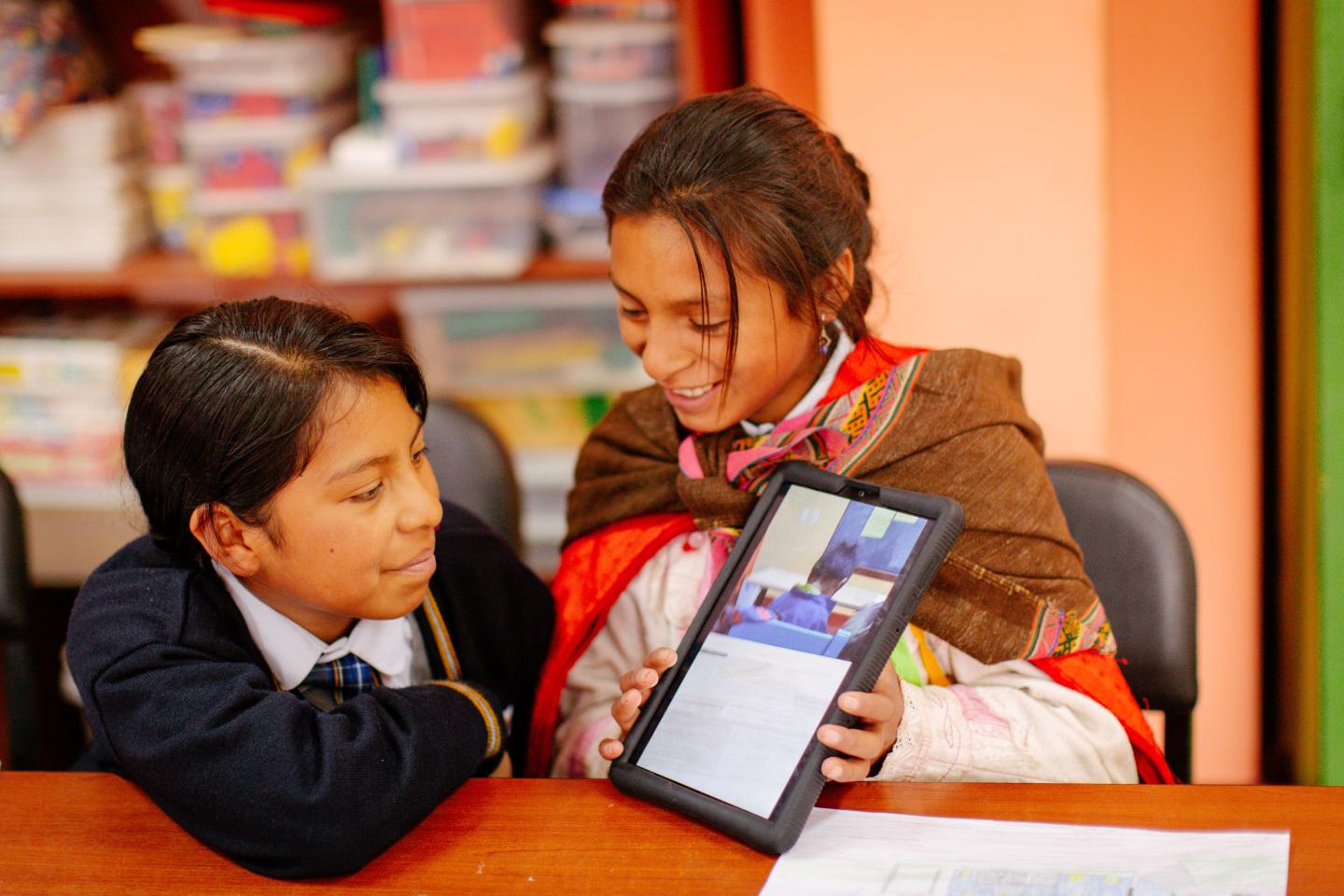
Safety cannot be an afterthought
Across countries, children spoke about harmful content, cyberbullying, scams, fake accounts, inappropriate material, and fears of online abuse. What we are experiencing now is that child safety enters the conversation once products have launched, harms have emerged, and public concern has grown. That approach places the burden on children and families to adapt to risks that should have been anticipated.
Many parents are trying to support and protect their children in an AI-enabled world while navigating technologies they do not always understand themselves. Safeguarding cannot depend solely on families managing risks that should have been addressed through design, regulation, and accountability.
Children understand more than we think
Children's concerns extend well beyond their immediate online experiences. Many are already describing issues that sit at the heart of today's AI governance debates. Their understanding of data practices may vary, but they are asking important questions about who can access their information, how it is being used, and who is responsible when things go wrong.
A girl from Sri Lanka explained that "The constant flow of information, persuasive algorithms, and data tracking can make us feel overwhelmed and manipulated."
Another, from Indonesia, called for tech companies to be "held accountable for the impact of their products and platforms… including the spread of misinformation, hate speech, and algorithmic bias."
These are not simply concerns about technology. They are concerns about transparency, accountability and power.
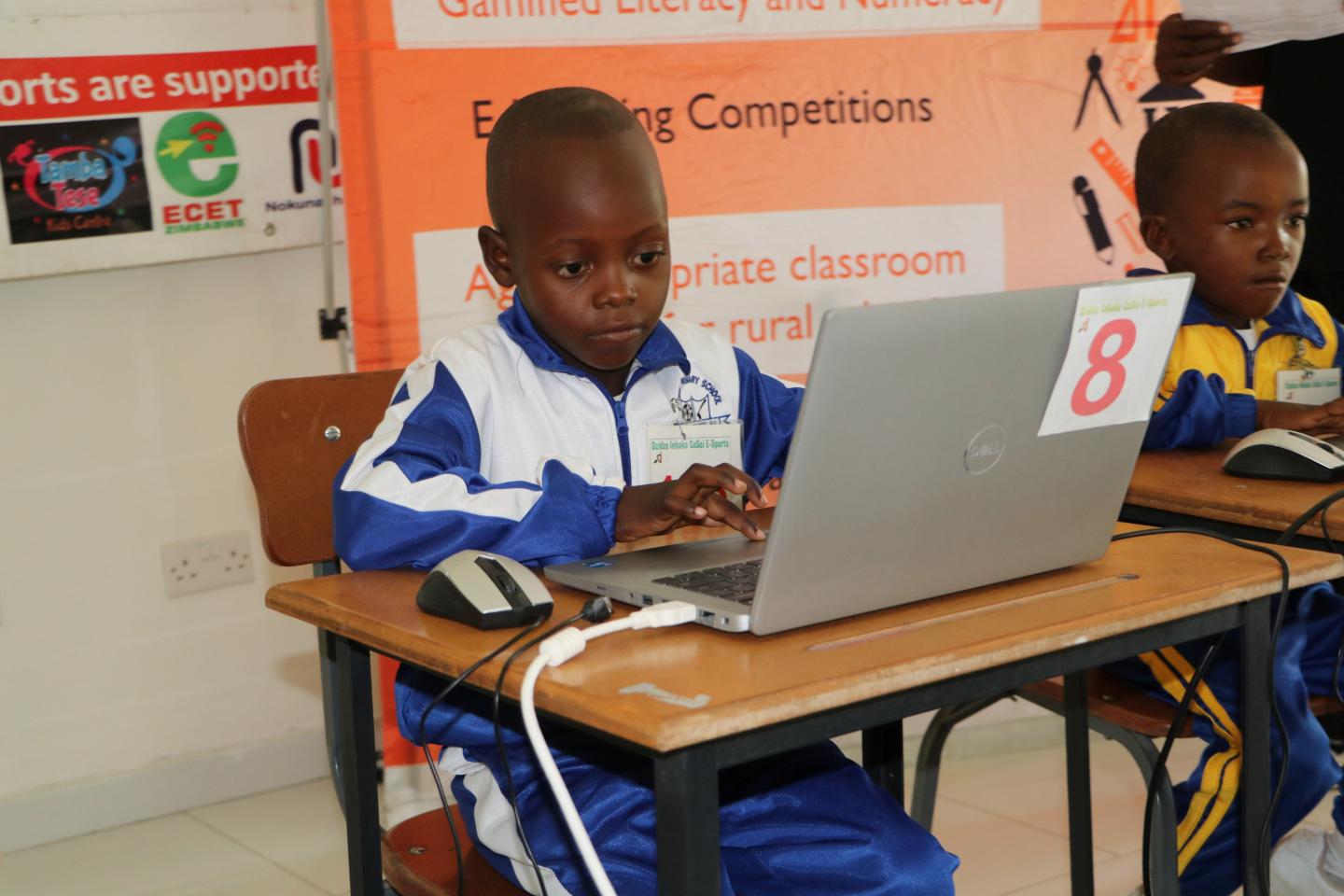
Children are offering solutions, if we are willing to listen
Perhaps most strikingly, children are not only identifying problems, but they are offering solutions:
- Accountability when AI systems cause harm or fail to deliver positive outcomes
- Laws and safeguards that are enforced, not left as empty commitments
- Protection of their privacy and data from misuse
- Digital inclusion, so those without devices or internet access are not left behind
- A genuine voice in designing the technologies that affect them.
Their call is clear: build AI systems that protect their rights and are worthy of their trust.
Children’s voices must shape AI governance now
The rules for AI are being written now. Children can help write them, or they can inherit them. There is no third option. If we continue to view children only as recipients of AI policy, we will miss an opportunity to make those policies better.
The Joint Statement on AI and Children supported by World Vision, reflects a simple but often overlooked truth: the children most affected by AI are also among those best placed to help us understand its impact. Their experiences offer insights that policymakers, regulators, and technology companies cannot afford to ignore.
Recognising that expertise is only the first step. The responsibility for safeguarding children's rights, safety, and wellbeing ultimately rests with the institutions designing, deploying, and governing these systems, and that responsibility must be backed by meaningful accountability.
About the Author:
Aimy Gabriel is Global Senior Advisor - Children and Digital at World Vision International. She has two decades of experience in child protection and advocacy across diverse settings. She works to ensure children's voices shape digital policy and platforms for safety, inclusion, and rights. She is also a parent navigating these challenges at home.
Subscribe to see more content like this
Related Resources

Silenced twice: are gender-blind digital spaces failing girls?

Are we serious about children’s rights in the digital world?
