

Silenced twice: are gender-blind digital spaces failing girls?
Aimy Gabriel, sheds light on why ignoring girls’ lived experiences online is no longer tenable.
April 20, 2026.
On the International Day of Girls in ICT, we are reminded of the promise digital spaces hold for girls: connection, learning, opportunity. Yet this moment also demands a more candid reflection. Digital expansion is accelerating, but a critical flaw remains. Platforms are still being designed as if gender does not matter. This is exclusion by design.
“Through social media… I can stay connected… it helps me express myself and feel included.”
Himanshi, Sri Lanka.
This is the opportunity. But it is only half the story.
Through our work with children, we hear a more complex and consistent reality.
“I want to share my ideas, but sometimes I’m afraid people will comment bad things.”
Girl, Timor-Leste.
These experiences are not isolated. They point to a fundamental disconnect between digital design and real-world use.
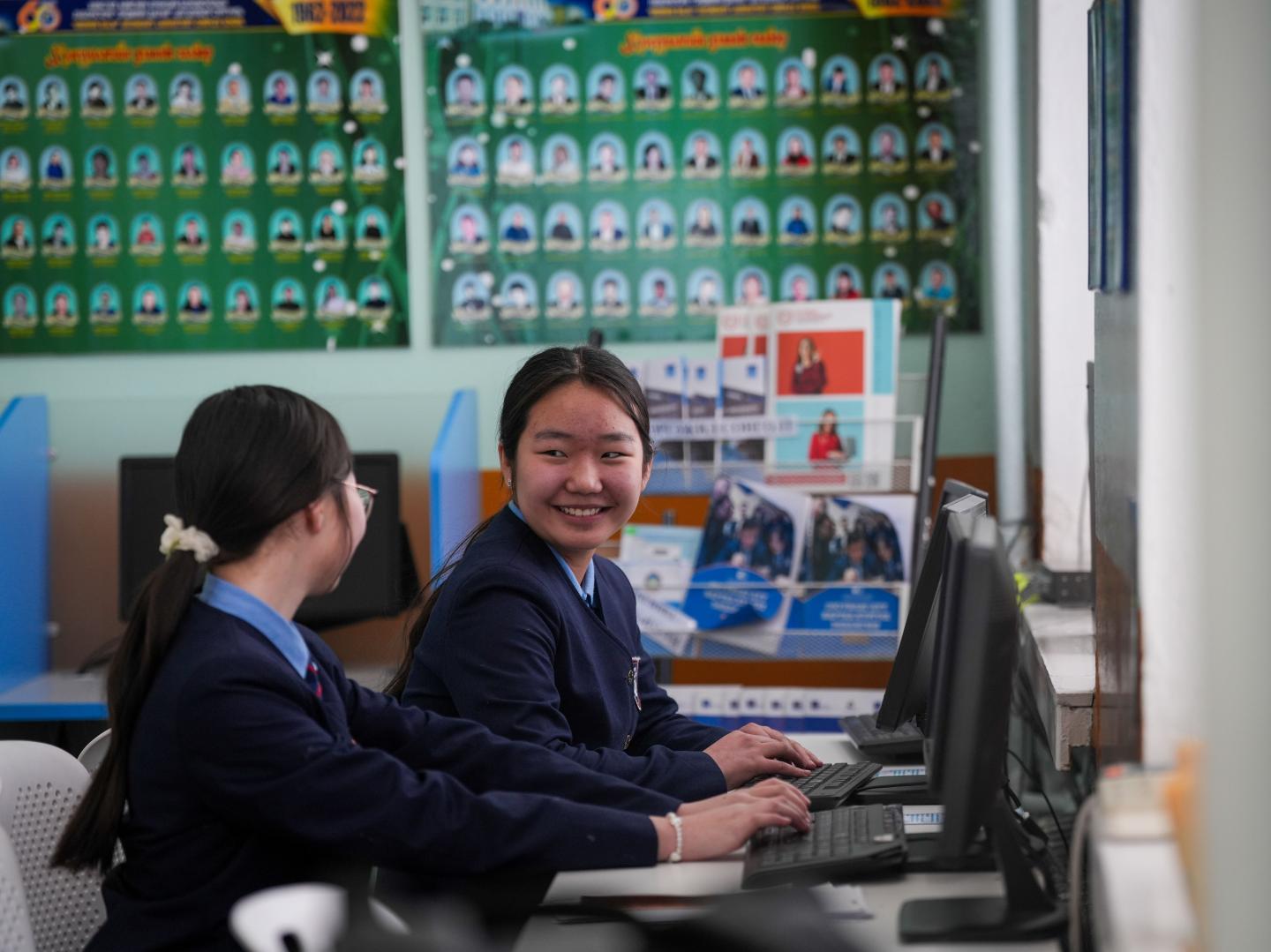
When “neutral” design excludes
Digital platforms are often described as neutral environments. In practice, they are not experienced equally. As Audrey Azoulay, former Director-General of UNESCO, has clearly pointed out:
“Bullying takes its toll on the most vulnerable. Girls and young women remain the most frequent targets of online harassment.”
This is reflected in the data. About 60% of young women and girls experience online harassment. This is not accidental. It points to a wider pattern in which girls face greater exposure to harm, shaping how and even whether they take part online.
Girls’ responses are entirely understandable. When participation comes with risk, engagement becomes cautious. Voices are moderated. In many cases, they fall silent altogether. This mirrors what we see offline. When girls do not feel safe, they withdraw from classrooms, from public spaces, and increasingly, from digital ones. What is often framed as an issue of access is, at heart, an issue of safety, dignity and trust.
A strategic blind spot
Treating this solely as a safeguarding issue underestimates its implications. This is about influence. In contexts where girls’ mobility and participation are already constrained, digital platforms should expand opportunity. Yet too often, they replicate existing inequalities, reinforcing systems that marginalise girls further, particularly those with disabilities.
For decision-makers, the case for action is clear. Safer, more inclusive digital environments are not only a moral imperative, but they are also a strategic investment. They enable participation, strengthen trust and improve the legitimacy of digital governance. Ignoring this narrows the diversity of voices shaping our shared digital future.
What shifts when girls are heard
“To not be able to express our thoughts freely… feels very bad.” Susma, Nepal.
Yet when those barriers are removed, the change is immediate. With the support to understand her rights, Susma began using digital platforms to speak out against early marriage and discrimination. As she put it, “I want to be the example.”
This is the pattern we see across contexts. When girls are given meaningful opportunities to participate, they do not disengage, they lead. They identify risks, propose solutions and strengthen the systems around them.
In Albania, young people engaged directly with national authorities during Safer Internet Week, influencing more inclusive approaches to online safety. This is what meaningful participation looks like when it is taken seriously.
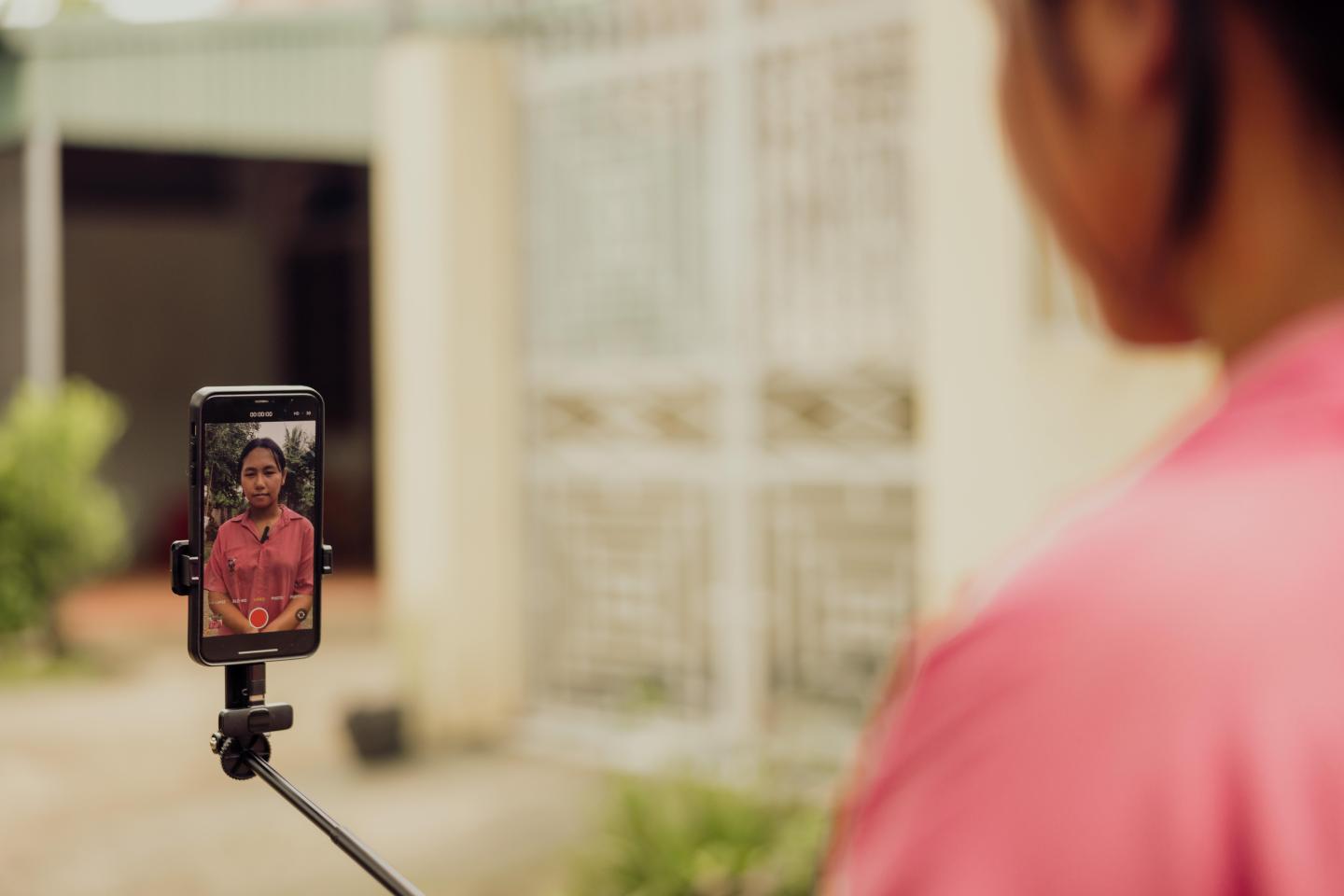
A shared responsibility we can no longer defer
The current trajectory reflects a collective gap in design, policy and accountability. Governments must ask whether regulatory frameworks adequately reflect the differentiated risks girls face online. Technology companies must consider whether digital systems are informed by lived experience or abstract assumptions. Organisations working with children must ensure that listening translates into influence.
On this International Day of Girls in ICT, incremental change is no longer sufficient. A deliberate shift is required, one that places girls’ experiences at the centre of design, not at the margins. If digital spaces are to be genuinely safe, inclusive and accountable, listening to girls cannot remain a gesture. It must become a design principle.
Because when girls are silenced online, we are not only failing them, but we are also limiting the collective potential of our societies.
Aimy Gabriel is the Global Senior Advisor for Children and Digital at World Vision International. With two decades of experience in child protection, participation, and advocacy across all levels, she works to ensure children influence digital policy, prioritising safety, inclusion, and rights. She is also a parent co-navigating these digital challenges at home.
Subscribe to see more content like this
Related Resources

Are we making online safety laws for children without listening to them?

Are we serious about children’s rights in the digital world?
