


It’s Time We Let Children with Disabilities Lead the Way
Jacky Fong, National Director for World Vision China, says true leadership begins when we empower children with disabilities to make choices and shape their futures.
3 December 2025
Leadership does not begin in boardrooms. It begins when a child is trusted to make a choice. For children with disabilities, the simple act of saying “I want to try” is both an expression of autonomy and a first step toward leadership. When families, communities, and systems listen to these voices, leadership becomes rooted in belonging, dignity, and possibility.
Yet this vision remains distant for many children with disabilities. Too often, decisions are made for them, what to wear, what to study, where to go, and even what to dream. Out of protection, families and caregivers may assume disability diminishes capacity. This mindset restricts opportunities for growth and leadership.
Creating Spaces Where Leadership Begins
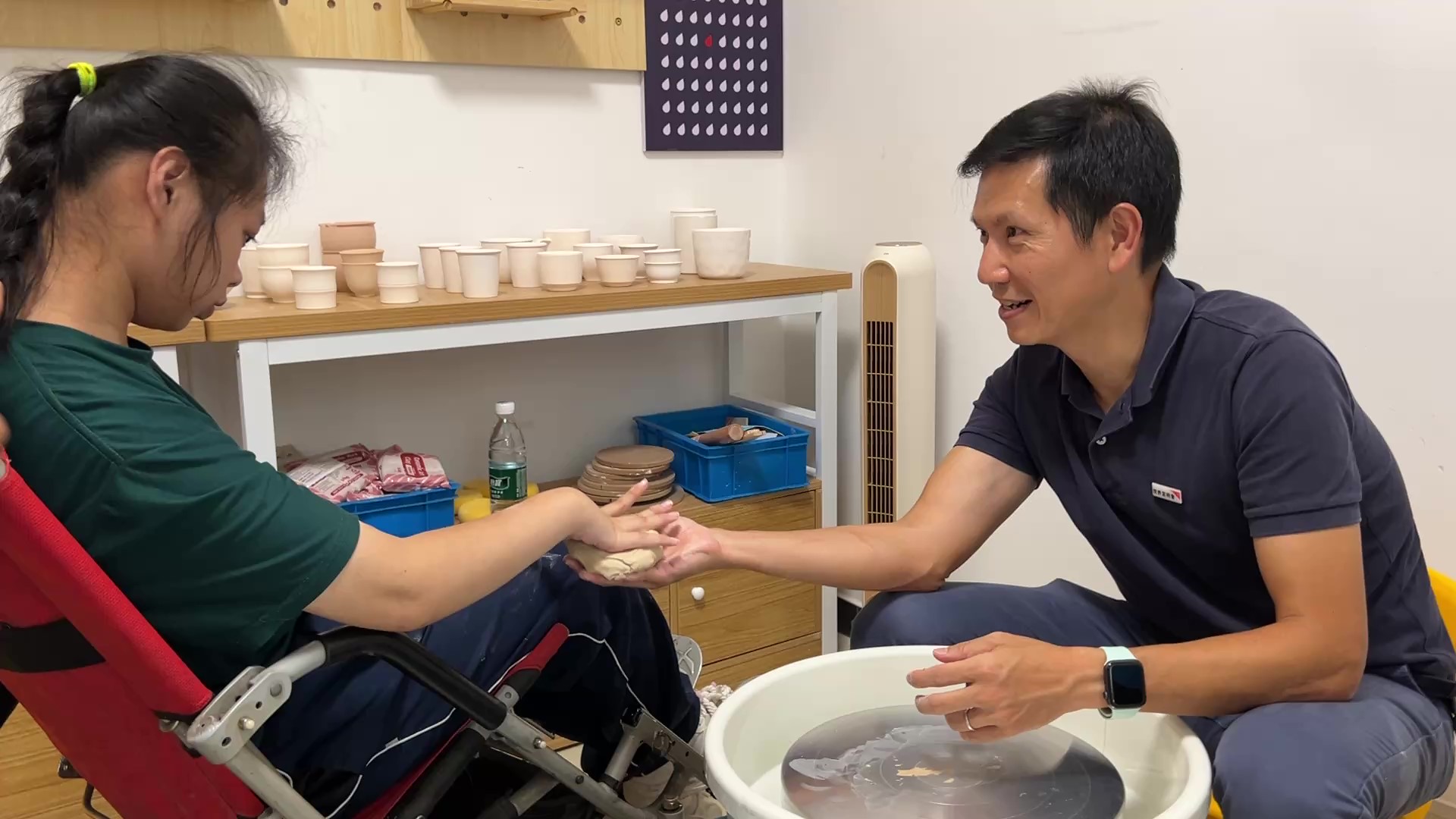
In the Chinese mainland, World Vision China is establishing children’s and youth groups for children with disabilities: safe, inclusive spaces where children learn life skills, understand their rights, express opinions, and participate in decision-making. Through activities such as navigating public services and giving feedback on accessibility, children practice advocacy in tangible ways. Choosing an outing or commenting on a barrier-free facility may seem small, but these moments nurture confidence and agency.
Bridging the Urban–Rural Gap
Children with disabilities in rural areas face greater structural challenges: limited rehabilitation services, inaccessible environments, and persistent social stigma. China’s Second National Sample Survey on Disability (2006) estimates that about 5.04 million children live with disabilities, 80% of them in rural areas. Yet children’s and youth groups, critical platforms for participation, remain scarce outside urban centres. As a result, rural children miss opportunities to build skills, confidence, and leadership.
Closing this gap requires sustained partnerships. In some rural communities, World Vision China and local partners are piloting models that bring leadership opportunities closer to children. Early results show that when local systems intentionally make room for children’s voices, community attitudes shift, and inclusion becomes a shared responsibility.
Regional evidence echoes this challenge. The Behind the Averages: Uncovering Child Vulnerability in East Asia report highlights slow progress on disability inclusion, especially in protection and participation. These gaps show that inclusion requires more than programmes, it demands systems that recognise children’s realities, particularly in underserved areas. Solidarity plays a vital role: persons with disabilities who have access to networks and advocacy spaces can help amplify the voices of peers in remote communities, ensuring rural perspectives inform broader conversations.
Inclusion Starts at Home
True inclusion begins with families. Many parents, especially in rural areas, carry heavy concerns about safety, stigma, and the future. Out of love, they may limit a child’s choices or shield them from challenges. But these protective instincts can inadvertently restrict a child’s growth.
Through caregiver workshops, home visits, and parent support groups, we have seen parents gradually shift from “protecting” to “empowering.” When caregivers allow their children to make small daily choices, children express themselves more openly, and families begin to see their abilities rather than their limitations. These shifts at the family level create the foundations for children to lead in their communities.
A Future Where Every Voice Counts
China is seeing growing attention to inclusive education and social participation for persons with disabilities. But achieving a truly inclusive future depends on nurturing the next generation of leaders, including children with disabilities. Leadership is cultivated through daily, relational practices: a child saying, “I want to try,” a parent saying, “I believe in you,” and a community saying, “You belong.”
According to the World Health Organization, over 15% of the world’s population lives with some form of disability. Their experiences and especially their voices must shape the future. Every child is created with potential, dreams, and ideas that deserve to be heard.

One young man, Rui Rui, demonstrates what becomes possible when expectations expand. Supported through a World Vision China project, he pursued his dream of becoming an event host. With training in theater, stage presence, and etiquette, he stepped onto the stage to host the Starry Snail Awards, a provincial event celebrating individuals with intellectual disabilities. His achievement was more than personal success, it challenged assumptions, inspired families, and broadened the imagination of practitioners and partners. Rui Rui showed what leadership looks like when children are given space to grow.
Building Inclusive Societies: Starting Now
Disability-inclusive societies are built early: through participation opportunities, families that empower, and communities that listen. From cities to rural villages, every child deserves the chance to try, to choose, and to lead. When we listen to children with disabilities, we advance not only inclusion but also social progress for all.
___________________________________
Jacky Fong serves as the National Director of World Vision China, bringing over 25 years of experience in social, humanitarian, and development work. He first joined World Vision China in 2004 as a programme officer and has since held various roles across different regions in the Chinese mainland. This extensive field experience has given him a deep understanding of the development landscape and the challenges faced by vulnerable children and communities.
Subscribe to see more content like this
Related Resources

Gender equality, social inclusion, and WASH: How the picture comes together

Why Children Need More Resilience Today - And How We Can Help Them Build It?
