

Making Climate Action Work for our Children: Can Environmental Safeguards help?
A 10-year-old girl in Mozambique watches her school close as floodwaters rise for the second time this year, just as life starts to settle back to a sense of normalcy after recent political turmoil. Her education stalls, her future narrows, not just because of conflict or poverty this time, but because the climate is changing faster than her community can adapt. The climate crisis has a human face, and this is what it looks like for children.
The scale of the threat is immense. UNICEF estimates that around 1 billion children, nearly half of all children globally, live in 33 countries at “extremely high-risk” from climate change. In many communities where World Vision works with children and their families across the world, there is damning evidence of children living the consequences of climate impact. Disrupted harvests, intensified floods, prolonged droughts, and ecosystems that can no longer sustain food and water security. Families who depend on them are leading to acute hunger and malnutrition.
On World Environment Day 2026, the need for urgency in climate action is once again underlined with calls to repair our relationship with nature and embrace nature-based solutions. We respond with resolve not just for the well-being of children, but for safeguarding the environment their present and future lives depend on through standards that embed accountability and sustainability in every initiative we pursue, be it development, disaster risk reduction or humanitarian response. We believe that every child has the right to a healthy, safe environment today and to a sustainable future. Children themselves are asking us to act now. Our answer begins with the values and policies that govern how we work.
What does this mean for a child’s life?
Our core value is that "As stewards of God's creation, we have a responsibility to care for and protect the environment." World Vision's core value of stewardship is not a statement of intention; it is an operational commitment to translate our care for the environment into tangible outcomes for children. By considering environmental footprint across design, implementation, and decommissioning of every development and humanitarian programme, we actively work to understand how our children and their households are directly and indirectly impacted by what we do, how climate change worsens their plight, and how we can mitigate any potential harm and secure positive environmental results from our activities while protecting vulnerable children and their communities from risks posed by degraded ecosystems, natural hazards, and climate change.
This means a child not having to endure hunger and thirst from droughts and failed crops, or exposure to danger and disease from flood-induced displacement, only to have their health impacted by borehole water unfit for human use or poisoned by anti-malaria pesticide sprayed in her camp.
Children are bearing the brunt of a climate and environmental crisis they did nothing to cause. Yet, despite facing some of the harshest consequences, they remain largely excluded from the decisions that will determine their futures. Environmental safeguards are one of the few ways we can systematically protect children from decisions made without them and not simply be bureaucratic tools. When children are at the centre of focus, environmental safeguards become part of child protection and community safeguarding.
Our social and environmental safeguards constitute minimum standards that shape how we engage communities, plan interventions, and measure results. Guided by the 'Do No Harm' principle, they represent our policy and operational effort to prevent our interventions from contributing to the very harms we are working to reverse. The two tools, CEDRIG and NEAT+, are central to how we apply these safeguards in the field. They are widely used across the development and humanitarian fields and appreciated for their simplicity and fit-for-purpose.
The Climate, Environment and Disaster Risk Reduction Integration Guidance (CEDRIG) helps our teams to systematically assess whether programmes are exposed to climate risks and whether they might inadvertently worsen greenhouse gas emissions or environmental degradation. A tool like CEDRIG determines whether a school is built on land that will still exist in five years, or whether the next flood will wash it away. This way, we select sites and interventions with long-term resilience for the child in mind.
On the other hand, the Nexus Environmental Assessment Tool (NEAT+) equips our humanitarian teams to screen for environmental concerns at the earliest stages of emergency response, before risks become irreversible. This can mean the difference between emergency aid that protects children’s future and aid that unintentionally worsens the environment they depend on. Together, CEDRIG and NEAT+ ensure that environmental safeguards thinking is a first step, not an afterthought, and that sustainability considerations are built all across the intervention.
A call to Act Together
On this World Environment Day, governments must go beyond pledges and make environmental safeguards mandatory in every development and humanitarian programme. Donors must fund solutions that protect both children and the ecosystems they depend on. And agencies like ours must be held accountable, not only for what we deliver today, but for the world children inherit tomorrow. Our participation in global coalitions, including the UN Decade for Ecosystem Restoration, the Humanitarian Charter on Climate Change, the International Partnership on Religion and Sustainable Development (PARD) and the UNEP Faith for Earth Coalition, reflects our commitment to aligning grassroots action with global frameworks and to bringing a faith-rooted, child-centred voice to the world's most urgent sustainability conversations.
Climate action must be immediate, inclusive, child-sensitive and sustained. For World Vision, that means continuing to empower communities to restore and protect natural resources, strengthen systems that anticipate climate risks, and ensure every programme safeguards both people and planet. But we cannot act alone. We call on governments, organisations, and communities to think first about the child, and consider environmental safeguards in all development and humanitarian action. We should all invest in community-led, nature-based solutions; minimise our environmental footprints and build the partnerships that connect locally led work to global change, because every climate decision we make now will either protect a child’s future or take it away.
About the author:
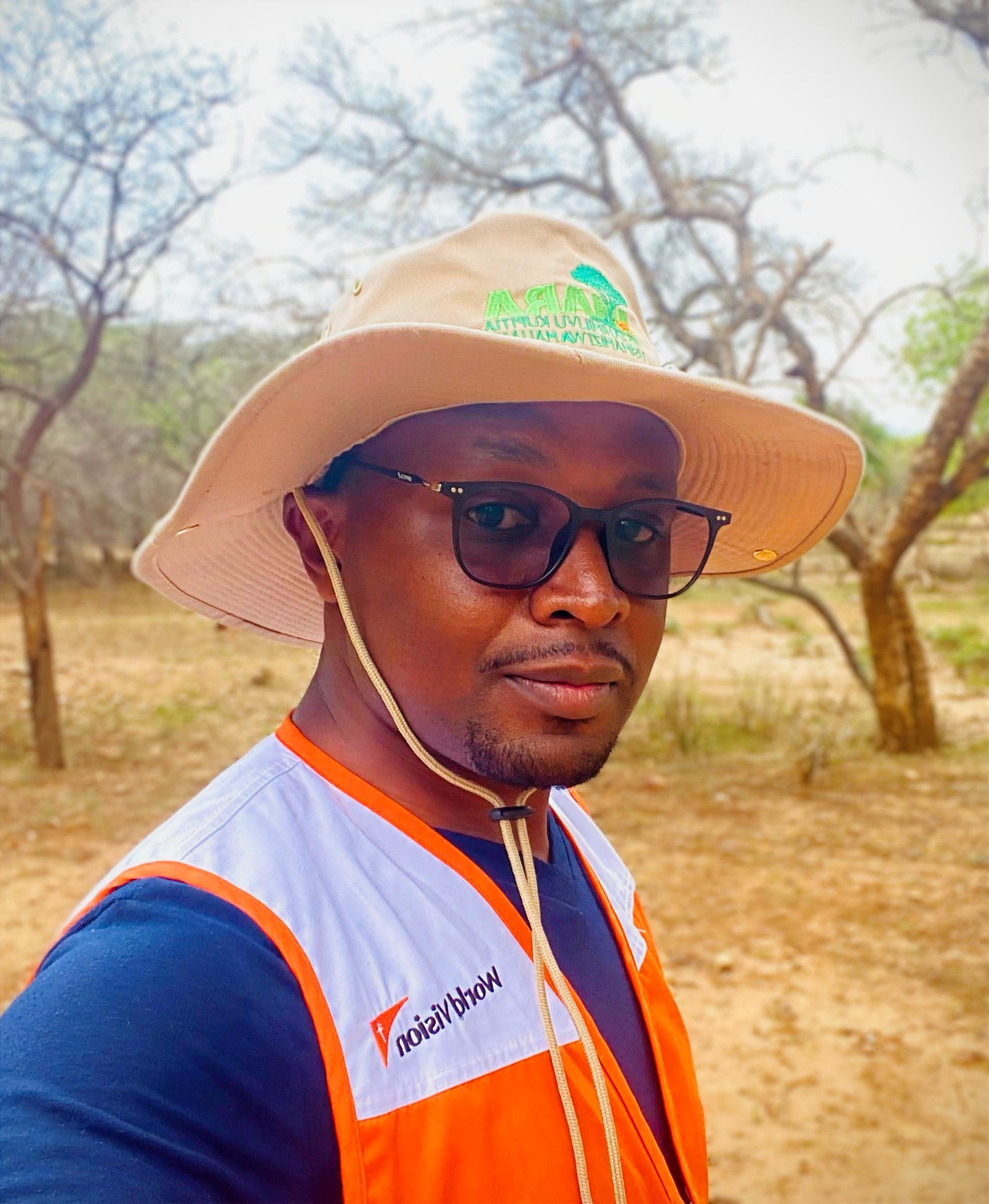
Hausner Wendo brings over 15 years of global experience in environmental sustainability, climate resilience, and landscape restoration, with a strong focus on Africa. He supports World Vision International’s Environmental Sustainability and Climate Action portfolio, contributing to research, policy dialogue, and capacity building on nature-based solutions and community-led climate adaptation. His work centres on locally-led climate action, disaster resilience, and strengthening climate solutions for vulnerable children and communities.
