

Protecting humanitarians means protecting children
When humanitarians are killed, children pay the ultimate price. Food distributions are halted. Health services interrupted. Safe spaces shut. Education and child protection suspended. All of these have life-threatening consequences for the most vulnerable.
This is our stark warning as violence against aid workers soars to unprecedented levels.
Last year alone, 350 humanitarians were killed as they tried to save others. And it truly breaks our hearts. It is why, on World Humanitarian Day, we pause to honour the courage and commitment of our heroic colleagues.
I have met so many of them around the world – extraordinary individuals, saving lives and bringing hope for children in the toughest places on earth. Without fail, I am utterly humbled and inspired by their selflessness, dedication, and determination.
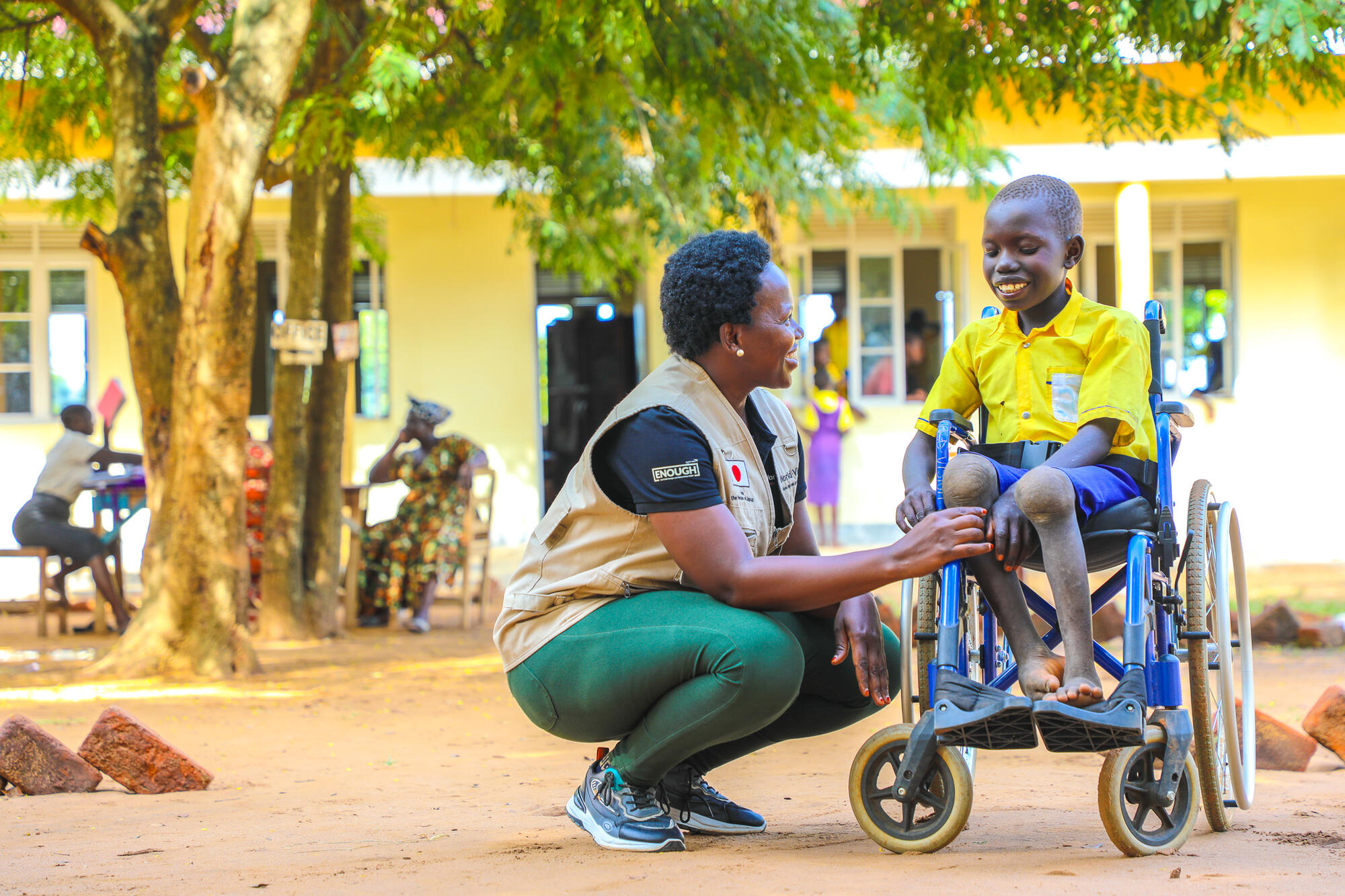
This year, amid so many mounting global crises, our tribute must be accompanied by a clear and urgent warning: protecting humanitarian workers is inseparable from protecting children.
Humanitarian space is shrinking. International Humanitarian Law (IHL) is increasingly ignored. The environments we work in are becoming far more complex. At the same time, needs are growing. The number of people forced from their homes has soared from 65 million ten years ago to nearly 118 million now. Hunger and the risk of famine are on the rise. Nearly 250 million people urgently need our help.
Yet, all too often, our colleagues face the risk of being killed, injured, detained and obstructed while serving the most vulnerable. These attacks are not just assaults on people. They are attacks on humanity itself, undermining the services that millions of vulnerable children and families need to survive.
The harsh reality is that when humanitarian workers cannot reach communities, children suffer first. I’ve seen how the results are devastating.
In Scripture, we are called to care for those in need and stand alongside those who suffer. Humanitarian workers live out that calling every single day, often at great personal risk, bringing compassion and practical support to people facing unimaginable hardship.
Nowhere is this more evident than in Sudan – now the largest children’s crisis. I have seen how the fallout from this conflict is spilling across the region, and I have met our brave teams on the ground who are bringing hope against all odds.
In this region, recent reports of lethal drone attacks illustrate a troubling and rapidly evolving threat. It means humanitarian organisations face new risks while attempting to reach vulnerable populations – with children, as ever, bearing the heaviest burden.
I was proud to welcome and sign the Declaration for the Protection of Humanitarian Personnel during an event at the UN General Assembly last year.
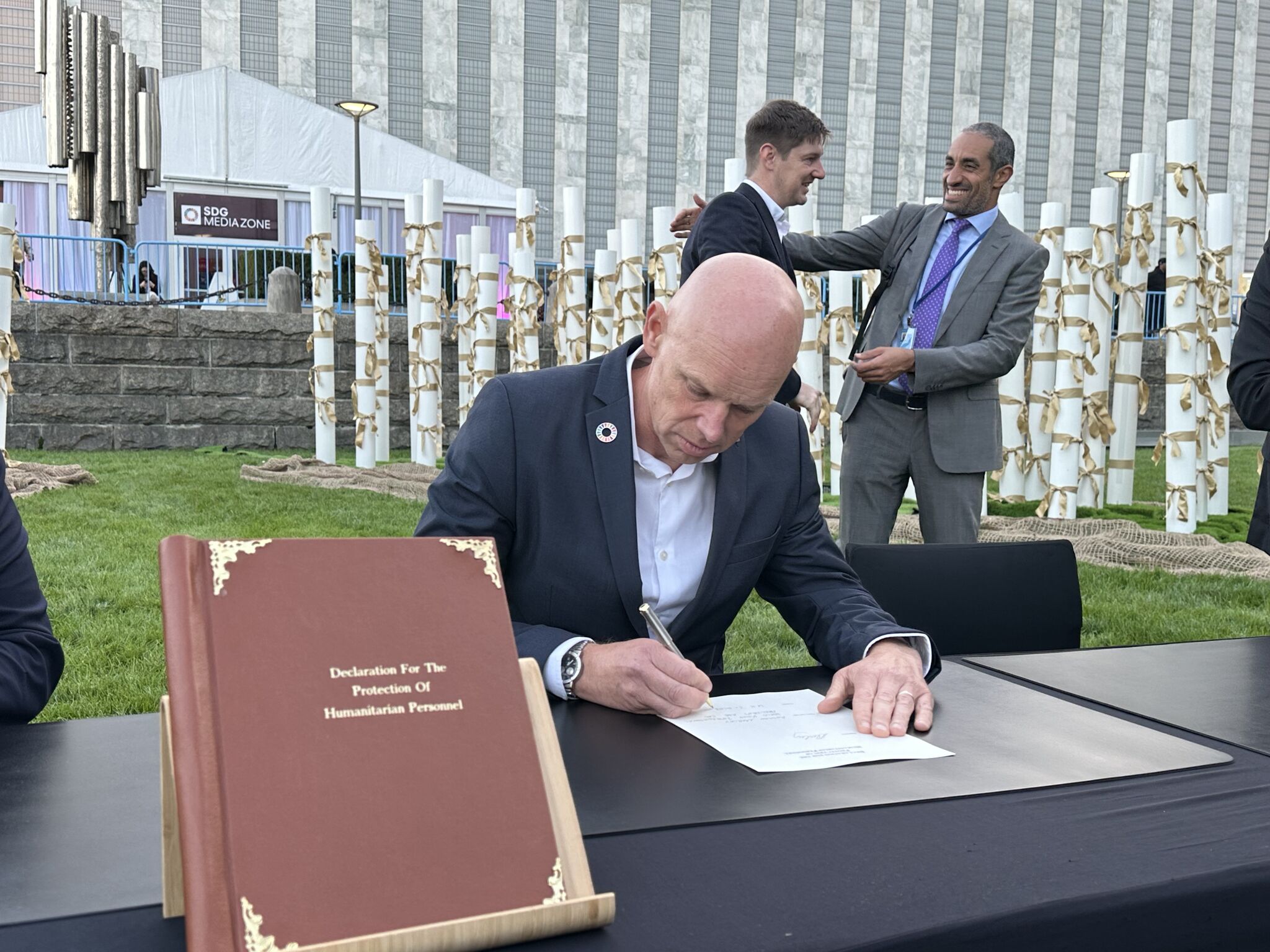
This global initiative was led by the Australian Government, and developed through a cross-regional Ministerial Group including Brazil, Colombia, Indonesia, Japan, Jordan, Sierra Leone, Switzerland, and the UK. The declaration has already been endorsed by more than 100 countries. It serves a crucial purpose by reinforcing existing obligations under International Humanitarian Law.
I also meet regularly with my counterparts in other organisations, including with fellow leaders of the Steering Committee for Humanitarian Response (SCHR).
We share these growing concerns across the sector, and we recognise that the ability of aid organisations to safely reach children and families in crisis should never be taken for granted.
We also recognise the extraordinary contribution of local and national aid workers. At World Vision, the vast majority of our staff are from the communities we serve. They know the context we work in, its subtleties and the community’s needs.
At World Vision, one of core values is simple: We Value People. This conviction flows from our Christian faith and our belief that every person is created in the image of God and worthy of dignity, protection and care.
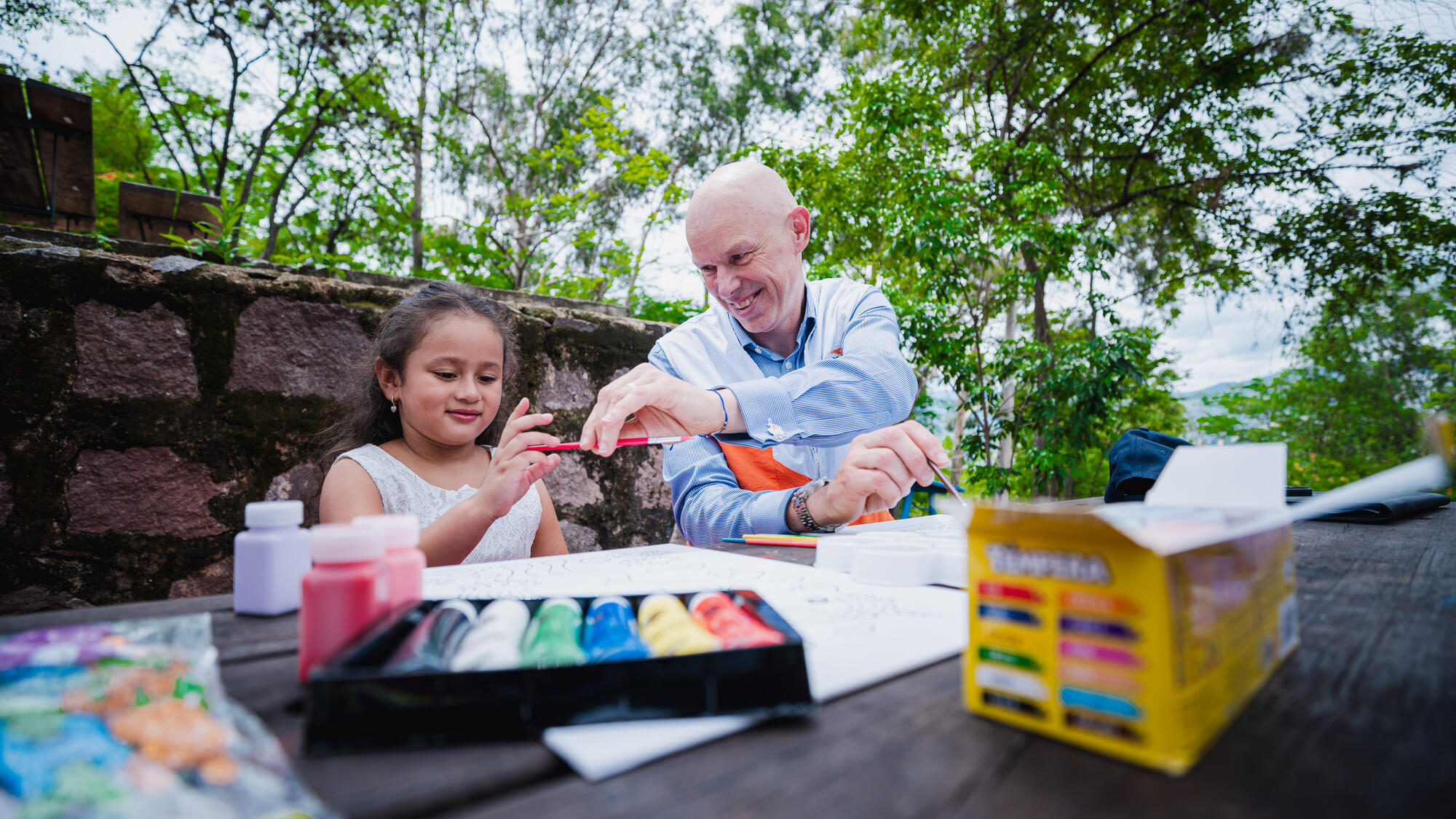
Attacks on aid workers are not inevitable – and we must never accept them, or think this is normal.
So, on this World Humanitarian Day, I call on governments, parties to conflict, donors and the wider international community to do all they can to make sure humanitarian workers can do their jobs safely. By achieving this, we protect children, their dignity, their wellbeing and their future – equipping and empowering them to thrive and fulfil their God-given potential in life.
About the author:
Andrew Morley is World Vision International President and CEO. He leads a global organisation operating in nearly 100 countries with more than 30,000 staff, and serves, and serving in key humanitarian leadership roles, including Chair of Joining Forces and former Chair of the Steering Committee for Humanitarian Response (SCHR).
An ordained Anglican minister, Andrew combines faith-driven leadership with extensive corporate and humanitarian experience. He previously held senior executive roles at Google, Sky TV and Clear Channel, and remains committed to ending extreme poverty and improving the lives of children worldwide.