

When Leadership Becomes an Act of Encounter
18 June 2026
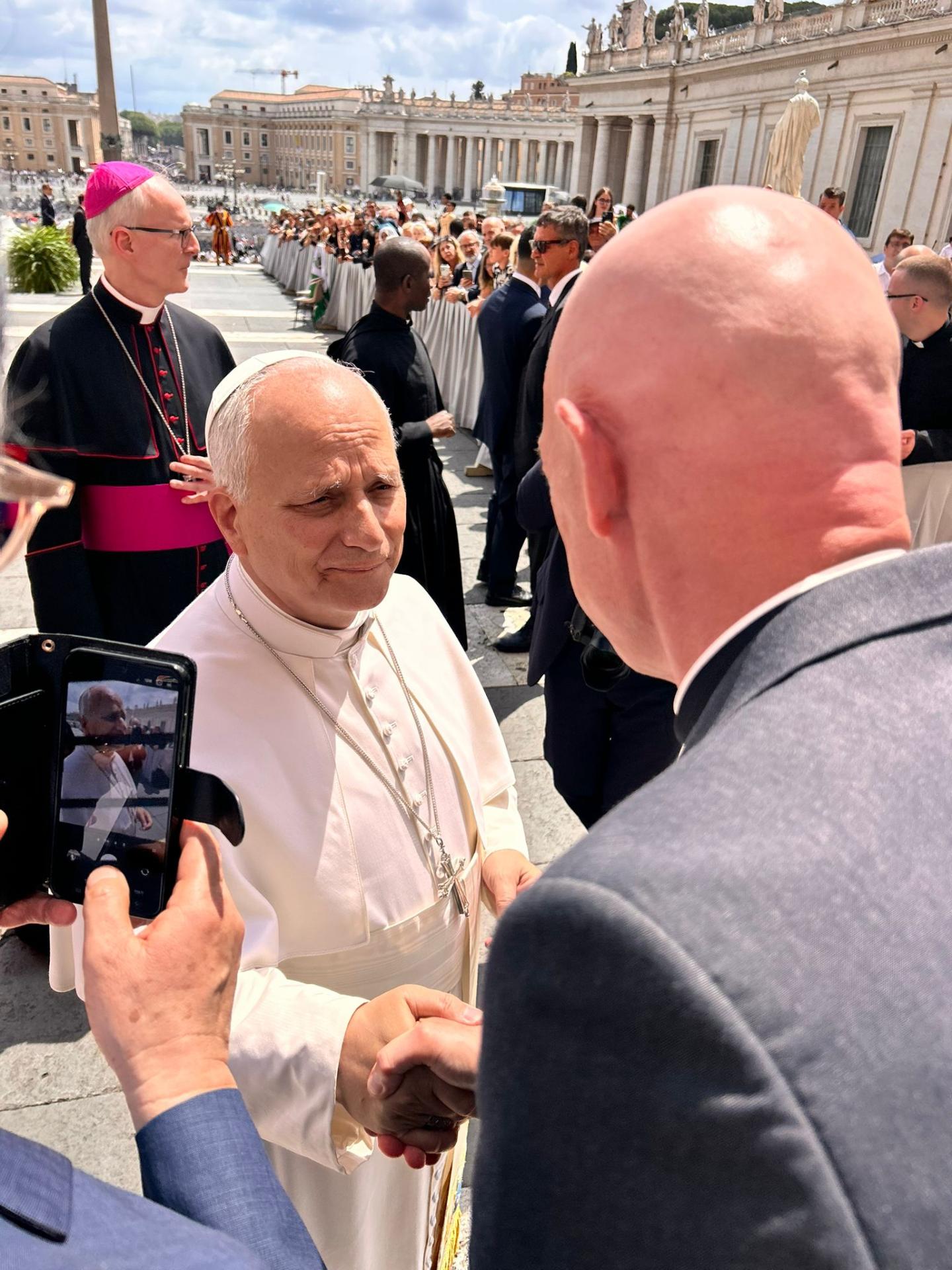
Recently, I had the honour of meeting Pope Leo XIV, in my dual role as an Anglican priest and leader of World Vision International. To stand before the Bishop of Rome as an Anglican is to carry the weight of history — centuries of difference, separation, and unresolved questions. In our conversation, there was no glossing over those realities. We both know where our paths diverge on authority, tradition, and ministry.
Yet what I experienced was not a theological debate. It was what Pope Francis during our meeting last year described as the “theology of encounter.” And Pope Leo also met with me not as a theological adversary, but as a brother in the baptismal waters. A faithful follower of Jesus Christ.
I found myself reflecting on John 17, where Jesus prays that “they may all be one… so that the world may believe.” That prayer feels especially urgent today — not as a call to erase difference, but as an invitation to unity of purpose.
Our conversation centred on children — those displaced by conflict, trapped in poverty, or living in extreme vulnerability. From their perspective, denominational distinctions matter very little. A hurting child does not ask whether the Christian hand extended belongs to a Catholic, Orthodox, or Protestant. They simply need to know they are seen, loved, and empowered.
As we spoke about the mission to demonstrate the love of God to the world’s most vulnerable children, to give them hope, Pope Leo shared words that will stay with me:
“We should show God’s love to the children of the world, and for that love to bring them home.”
“Bringing them home” is not only about shelter. It is about empowerment, dignity, healing, safety, and belonging.
But even where these are present, something deeper determines whether they take root. A child may be given opportunities, but it is hope that allows them to act on them — to believe they have a place in the future those opportunities point to.
This is the difference between support that is received and a future that is claimed.
Theological dialogue must continue. But an ecumenism of action cannot wait. When faith leaders and humanitarian organisations stand together for children, we offer a living response to Jesus’ prayer — unity that witnesses to God's love.
It’s encounters and moments like these, that I find myself realising increasingly, that leadership today is not about defending boundaries. It is about building bridges, especially for those children with the least voice and the greatest need.
A simple ask: if this reflection resonates, I welcome conversations about how we can collaborate across faiths, denominations and institutions to better protect the world’s most vulnerable children.
About the author:
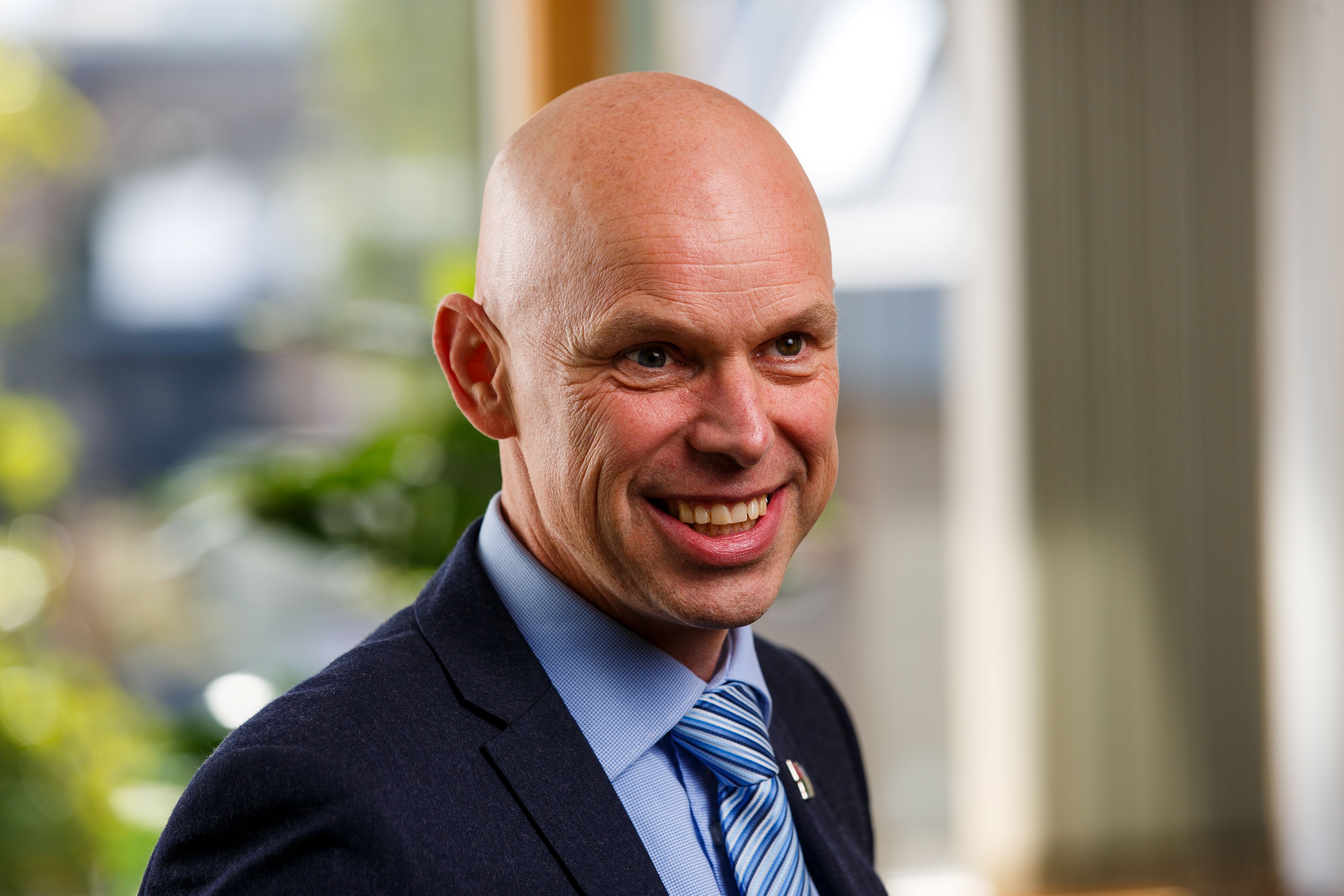
Reverend Andrew Morley has served as President and CEO of World Vision International since 2019, bringing together a deep pastoral calling and decades of leadership experience. He spent over 25 years in the corporate world, scaling businesses across a range of sectors. His heart for service has led him to help launch Christian charities in Kenya and South Africa, and his global perspective is shaped by years of living and travelling across the world.
Subscribe to see more content like this
Related Resources

Unexpected Partners: Why the most powerful partnerships are the ones you have to go looking for

Ebola in the DRC: Why This Outbreak Is So Difficult to Combat
