press release / September 3, 2026
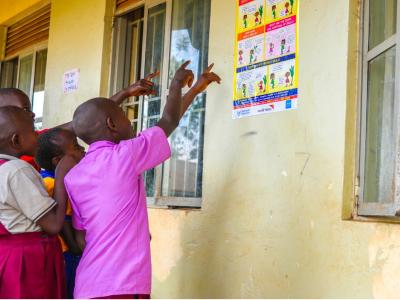
New EU-Funded Project to Restore Safe, Inclusive Education for Over 22,000 Conflict-Affected Children in the West Bank
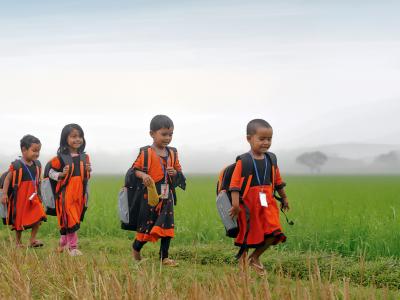
World Vision, in partnership with the Teacher Creativity Center (TCC) and the Palestinian Ministry of Education, today announced the launch of a new EU-funded two-year project to safeguard access to safe, inclusive and dignified education for the most vulnerable conflict-affected children across the West Bank.
article / August 27, 2026
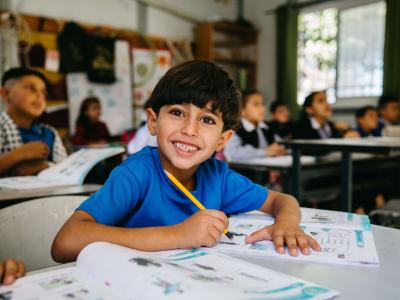
Chosen for a Second Chance, Inspired to Build a Better Future
The EU-funded Women’s Economic Empowerment Sapotim Strongpela Meri Project, implemented by World Vision PNG, is giving 25 school leavers in Central Bougainville a second chance through education and vocational training, empowering them with skills, hope and opportunities for a brighter future.
article / August 27, 2026
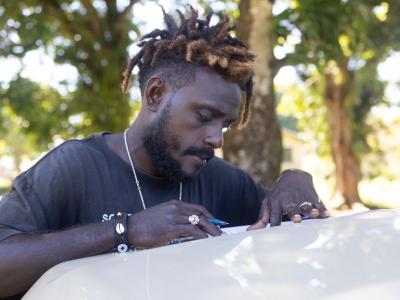
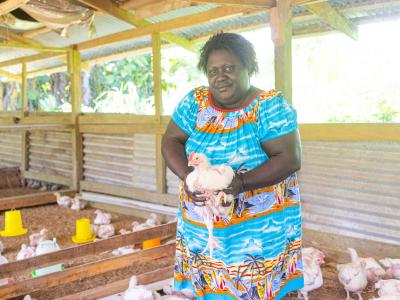
One Woman’s Success Is Transforming a Community
Ruthie Murunani Davanara transformed her poultry business through World Vision PNG’s EU-supported Women’s Economic Empowerment Sapotim Strongpela Meri Project, creating jobs, supporting local women, and strengthening livelihoods in Central Bougainville
article / August 6, 2026
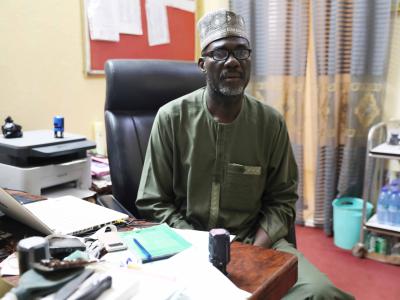
New Paediatric Ward Improves Healthcare for Children in Tahoua, Niger
Every year between July and December, the pediatric ward at Tahoua Regional Hospital became overwhelmed during the peak malaria season. Overcrowded rooms, children sharing beds, and limited space made it difficult for health workers to provide quality care. According to Dr. Sabo Sahabi, the hospital could not turn patients away despite the lack of capacity, resulting in poor hygiene, challenging working conditions, and discomfort for both patients and caregivers.
After witnessing these conditions during a hospital visit in 2021, the women staff of World Vision International Niger decided to take action. They supported the construction of a new pediatric ward, completed in 2023 and officially handed over in 2024. Equipped with 12 beds, mattresses, fans, medical furniture, and air conditioning, the ward now provides a safer and more comfortable environment for sick children.
Used mainly during the malaria season, the new ward has eased overcrowding, improved patient care, and created better working conditions for medical staff, bringing lasting hope to the hospital and the families it serves.
article / August 27, 2026
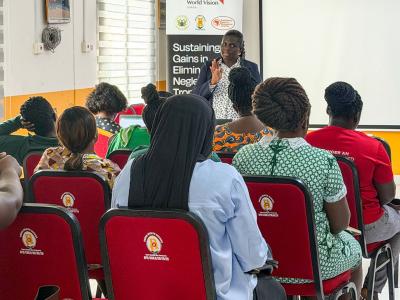
World Vision Ghana Trains over 270 Health Workers to Strengthen Community-Based Surveillance and Care for Neglected Tropical Diseases
World Vision Ghana, in partnership with the National NTD Programme, is strengthening community-based surveillance and care for neglected tropical diseases through the training of frontline health workers, improving early detection, referrals, NHIS enrolment and access to essential healthcare services.
video / August 26, 2026
Ebola in the DRC: Why This Outbreak Is So Difficult to Combat
The Ebola crisis you remember was back in 2014 in Sierra Leone, Guinea, and Liberia. But the current one in the DRC is actually growing far faster than that one did.
Ebola has faded out of the news because there's been a lot of news to tell and limited time to tell it, but also because the story is hard to put into headlines. It's wrapped in complex layers of history, traditions, and systemic failure that have combined to make everything worse.
So Chirs Montgomery has put together this video to better understand what makes Ebola so hard to combat in the Democratic Republic of Congo.

article / August 24, 2026
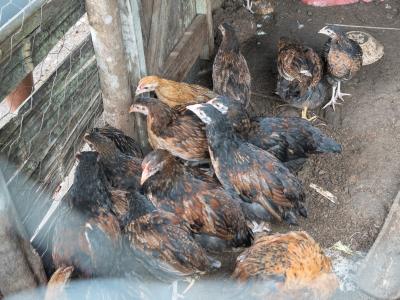
Raising chickens, raising hope: Mamalade Youth build a brighter future
A member of the Mamalade Community youth group stands outside the poultry house holding one of the chickens raised through the youth-led poultry project. Photo: World Vision Solomon Islands.
publication / August 26, 2026
POLICY BRIEF: Debt for What?
This policy brief on public debt utilisation in Kenya and Zambia, examining how borrowed resources translate into development outcomes