video / March 4, 2026
Partnerships for Progress: Strengthening Rural Health Through Collaboration
In this video, World Vision’s Vice President for Water and Health highlights the transformative power of partnerships in bridging the gap between remote communities and quality healthcare. While WASH services provide the foundation for safety, strategic collaborations bring the specialised resources necessary to sustain a modern medical environment. By aligning the expertise of non-profits with the strengths of the private sector, rural health infrastructure is upgraded from basic survival centres to comprehensive medical hubs capable of delivering long-term impact.

publication / March 17, 2026
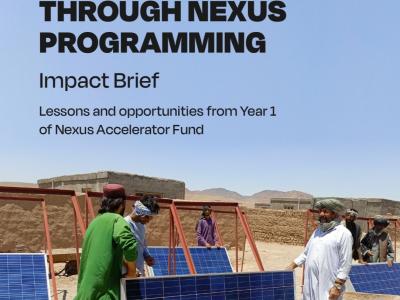
BUILDING RESILIENCE THROUGH NEXUS PROGRAMMING
Nexus drives impact in fragile contexts by linking aid, development, and peacebuilding to save lives, strengthen systems, and build lasting resilience.
article / January 1, 2026
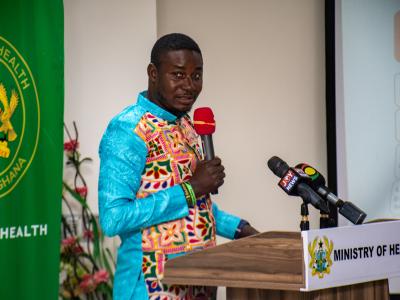
World Vision Ghana Convenes First Meeting on Ending Neglected Tropical Diseases
World Vision Ghana, with the Ministry of Health, convened the first meeting to advance a national fund to end neglected tropical diseases through partnerships.
press release / February 26, 2026
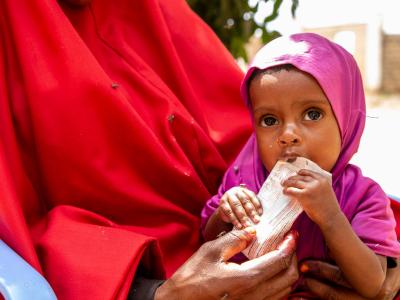
Somalia Faces Looming Child Malnutrition Catastrophe: Urgent Action Needed
Kevin Mackey- World Vision Somalia National Director on the release of the Integrated Food Security Phase Classification (IPC)
article / November 14, 2025
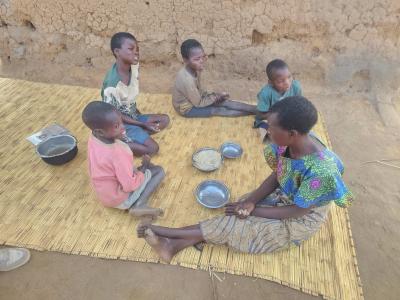
Malawi President Declares Hunger crisis in 11 districts in Malawi
President Mutharika declares Hunger Crisis in Malawi in 11 districts
opinion / November 18, 2025
A Livable Planet Begins with Children: Reflections from the World Bank Annual Meetings
Why investing in children is the smartest path toward growth, jobs and a more resilient planet and why despite the challenges, she left the meetings feeling more optimistic than discouraged.
publication / March 4, 2026
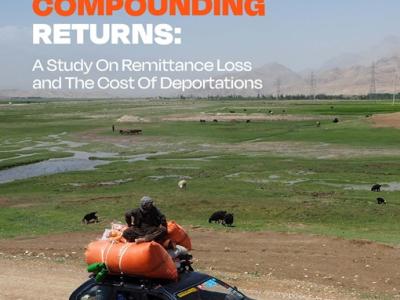
COMPOUNDING RETURNS: A Study On Remittance Loss and The Cost Of Deportations in Afghanistan
The study shows deportation is an economic and protection shock that reverberates through households and local markets. Deportation removes income earners from foreign labour markets, abruptly cutting off remittance flows. This loss of income translates into debt accumulation and asset depletion as households struggle to meet basic needs. Growing indebtedness then drives harmful coping strategies and distress practices.