publication / July 15, 2026
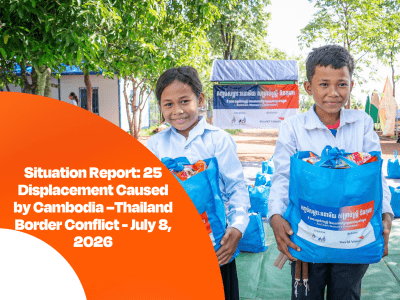
World Vision Situation Report #25: Displacement Crisis as a Result of the Cambodia –Thailand Border Conflict (Updated on 8 July 2026
World Vision Cambodia, Situation Report #35, Displacement Crisis as a Result of Cambodia-Thailand Border Conflict
publication / July 14, 2026
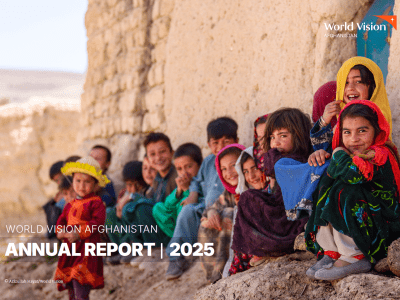
World Vision Afghanistan Annual Report | FY25
1.49 million people were reached through health, nutrition, WASH, food, livelihoods and protection services.
publication / June 18, 2026
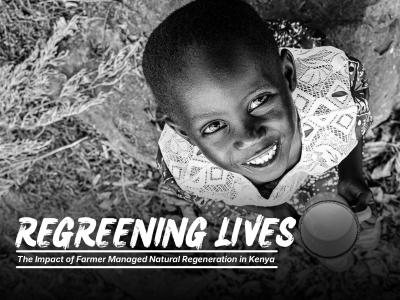
Regreening Lives - The Impact of Farmer Managed Natural Regeneration in Kenya
Discover how FMNR is restoring degraded lands, improving food security and building climate resilience for communities across Kenya's ASAL counties.
publication / June 30, 2026
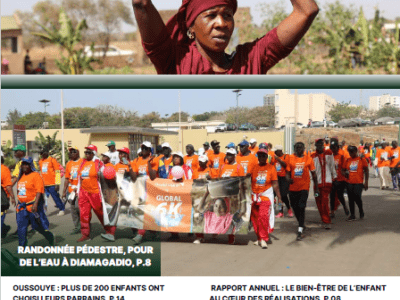
Newsletter World Vision Sénégal - Juin 2026
Bulletin d’information de World Vision Sénégal pour le compte du mois de juin 2026.
publication / July 14, 2026
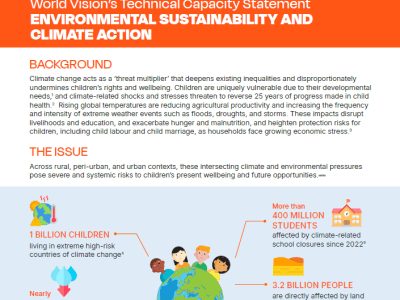
World Vision’s Technical Capacity Statement - Environmental Sustainability and Climate Action
Discover World Vision’s climate action impact across 69 countries—restoring land, training communities, and building resilience for children.
press release / July 19, 2026
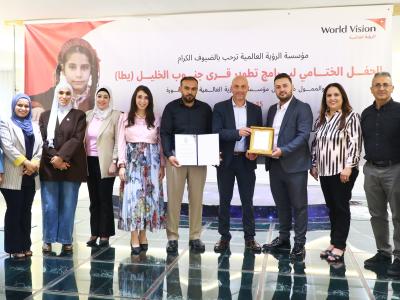
World Vision Marks the Conclusion of 16 Years of Partnership and Sustainable Development in South Hebron
World Vision marks the successful conclusion of its 16-year South Hebron Area Programme, celebrating lasting partnerships and sustainable development for children.
publication / July 17, 2026
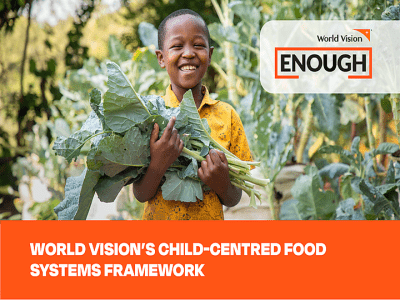
World Vision's Child-Centred Food Systems Framework
World Vision’s Child-Centred Food Systems Framework outlines how equitable, nutrition-sensitive food systems can help end child hunger and malnutrition.
publication / July 6, 2026
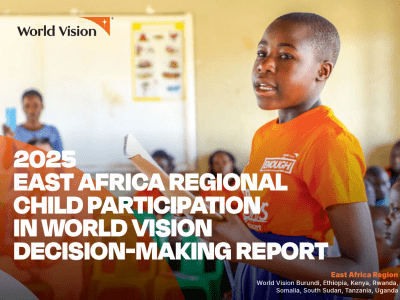
2025 East Africa Regional Child Participation in WV Decision-Making Report
The 2025 Regional East Africa Child Participation Report details the impact of engaging boys and girls in decision-making at local and national levels.
article / July 7, 2026
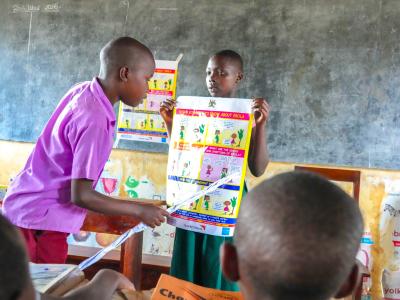
World Vision boosts Ebola preparedness in schools, health facilities
Schools and health facilities across Uganda are receiving critical infection prevention supplies as World Vision Uganda strengthens efforts to protect communities from Ebola amid renewed concerns over the spread of the disease.
press release / July 20, 2026
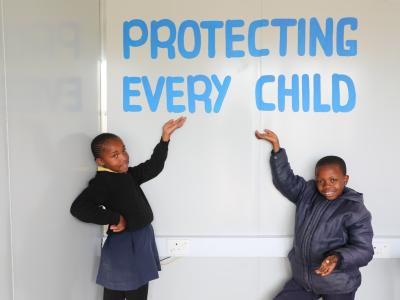
World Vision Lesotho Hands Over Child-Friendly Child and Gender Protection Unit Office to Strengthen Child Protection Services
World Vision Lesotho officially hands over a Child-Friendly Child and Gender Protection Unit (CGPU) Office in Morija to the Lesotho Mounted Police Service, strengthening child protection services and providing a safe, child-friendly environment for vulnerable children.