
Building Gender Empowerment and Climate Resilience through Natural Farming Systems
Download
Cultivating Change: How Natural Farming Empowers Women in South Asia
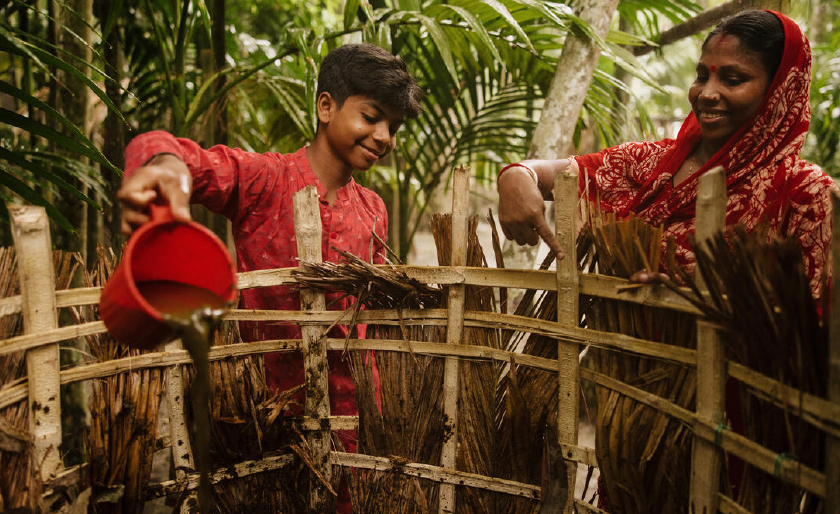
Building Gender Empowerment and Climate Resilience through Natural Farming: A grounded perspective from Bangladesh and Sri Lanka - 2025 is a landmark study by Monash University and World Vision, funded by DFAT, reveals that natural farming is doing more than just restoring soil—it is dismantling gender barriers across rural Bangladesh and Sri Lanka. Through participatory action research involving 113 farmers, the study demonstrates how natural farming acts as a catalyst for both ecological restoration and social equity.
Led by Associate Professor Jagjit Plahe (Monash University) and Dr. Anjana Purkayastha (World Vision South Asia & Pacific), this study bridges the gap between agroecology and gender equality. The research was made possible through the dedicated support of field teams, including:
- World Vision Bangladesh: Led by Sabiha Ahmed and Ruhila Parvin.
- World Vision Lanka: Led by Keshini Soza and Awanthi Jayasekara.
Breaking the Cycle of Discrimination
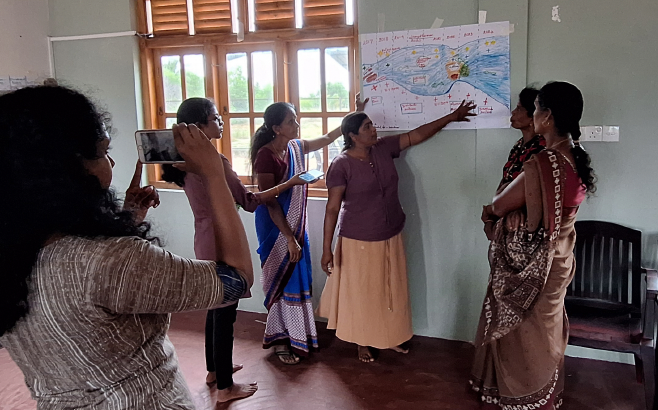
While women are the backbone of global agri-food systems—serving as the primary savers of seeds and preservers of biodiversity—their contributions are often undermined by discriminatory social norms. Using Participatory Action Research (PAR) and the "River of Life" visual tool, the authors captured the lived experiences of 113 farmers as they navigated climate shocks and social stigma toward a future of "lived and felt" empowerment.
Key Impacts on Households and Communities
The findings demonstrate that when women lead the transition to natural farming, the benefits ripple outward:
- Financial Independence: Many women are generating their own income and achieving economic autonomy for the first time.
- Decision-Making Power: Women have moved from the margins to become primary decision-makers, boosting confidence and household stability.
- Climate & Resource Resilience: Regenerative practices have restored land and water resources, creating a safety net for children and families against droughts and floods.
- Knowledge Networks: By forming support groups, women are sharing sustainable techniques, effectively strengthening the resilience of entire communities.

