press release / August 4, 2026
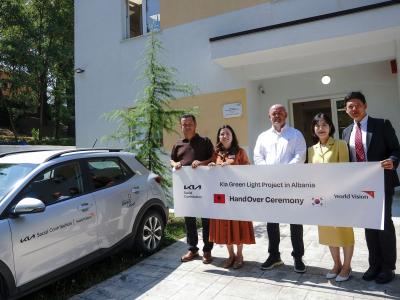
Kia’s First Green Light Project in Europe Builds Sustainable Support for Children with Disabilities in Albania
World Vision Albania partners with Kia and World Vision Korea to deliver the first Green Light Project in Europe, improving specialised support for children with disabilities in Albania.
article / July 23, 2026
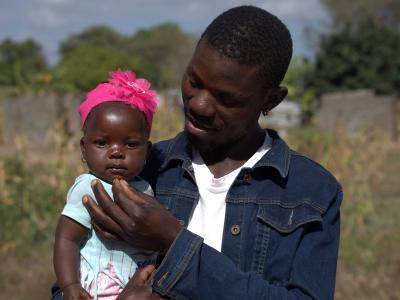
Breaking the Cycle: A Father Who Chose to Be There from the Very Beginning
One father's decision to register his daughter is challenging traditions in rural Mozambique, showing how positive parenting and birth registration are transforming children's lives.
article / July 29, 2026
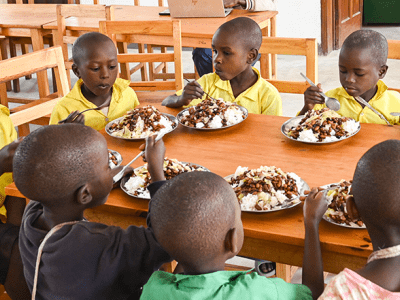
ENOUGH CAMPAIGN: Mozambique Approves National School Feeding Strategy
Council of Ministers approves the National School Feeding Strategy, strengthening the country´s environment that supports children's learning and combat to malnutrition.
article / July 31, 2026
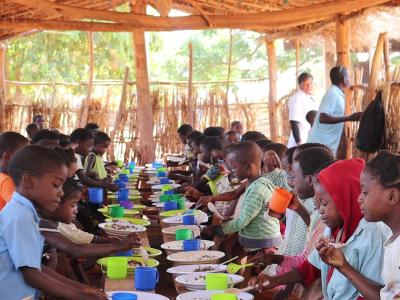
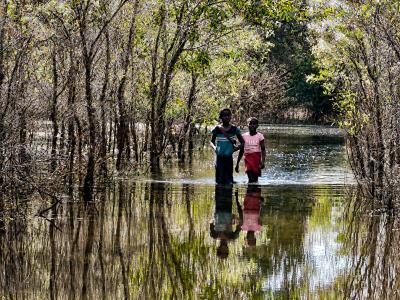
Six Months After Severe Floods: Children Still Walking Through Water to Reach School
Six months after devastating floods in southern Mozambique, children in Nalaze still cross contaminated water to reach school, highlighting the need for lasting recovery.
article / July 9, 2026
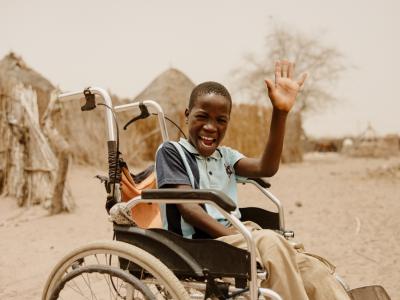
Boubacar’s Story — Joy and Hope despite Disability and Food Scarcity in Senegal
In the quiet village of Taif Thiekene in Senegal’s Kaffrine region, seven-year-old Boubacar and his 15-year-old sister Mariama have grown up facing both physical challenges and social barriers.
publication / August 3, 2026
Discover World Vision Sierra Leone's 2025 Annual Report
Find out how our work helped improve the well-being of children in Sierra Leone during our 2025 financial year.
article / July 14, 2026
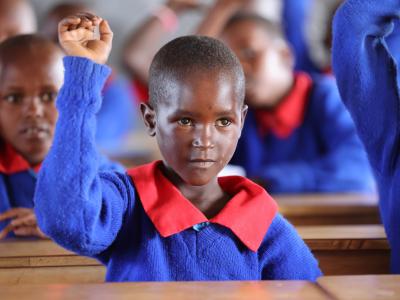
The Power of Asking: How Community Action Brought Schools in Samburu County
Discover how community advocacy helped secure 7.6 million Kshs for schools in Samburu County, giving more than 400 children access to education and a brighter future.
article / July 14, 2026
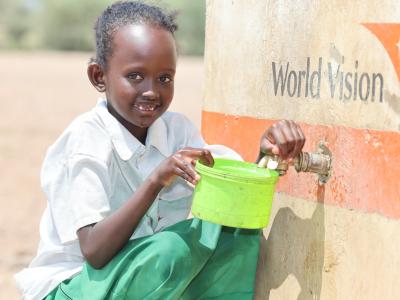
How clean water is helping girls in Barambate, Marsabit County stay in school and dream bigger
Learn how clean water in Barambate, Marsabit County, is changing childhood by freeing girls from long journeys for water and helping them stay in school.
article / August 2, 2026
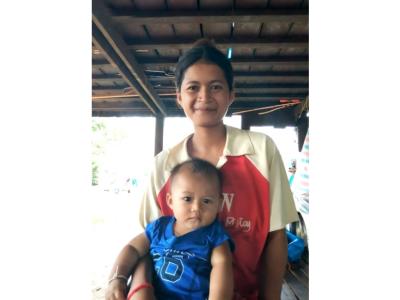
Giving Every Child the Best Start: Strengthening Breastfeeding Support in Cambodia
Discover how World Vision Cambodia is strengthening breastfeeding support through Baby-Friendly Health Centres, helping every mother and child get the best start in life.
article / July 28, 2026
How a School Club Is Transforming Lives Beyond the Classroom
At EP Gihango Primary School, the WASH and Nutrition Club is empowering children to become leaders in the fight against malnutrition. Through lessons on hygiene, nutrition, and healthy living, students are improving practices at school, inspiring healthier habits at home, and even supporting vulnerable classmates.
When Violette struggled to access school meals, club members mobilized their parents to raise funds for her and seven other children, demonstrating remarkable compassion and leadership. Supported by World Vision Rwanda's ENOUGH Campaign and partners, the club is proving that children can be powerful agents of change, helping create healthier families, stronger communities, and a future where every child has the opportunity to thrive.