
Advancing Social Inclusion of Women and Children in Climate Action across ASEAN

On 12–13 February 2026, World Vision, in partnership with World Vision Korea and with support from regional offices across Asia and the Pacific, joined the ASEAN Commission on the Promotion and Protection of the Rights of Women and Children (ACWC), Agence Française de Développement (AFD) and Asian Vision Institute (AVI) to convene a Regional Dialogue on the Social Inclusion of Climate Change on Women and Children in ASEAN in Siem Reap.
The two-day hybrid gathering brought together representatives from ASEAN Member States, regional bodies, civil society organisations and development partners. But beyond the formal sessions and policy exchanges, the dialogue carried a deeper urgency: climate action in Southeast Asia is failing those most at risk unless inclusion becomes central, not peripheral, to decision-making.
Inclusion Is No Longer Optional
Across discussions, governments and partners acknowledged progress in climate policies, disaster risk reduction frameworks and cross-sector coordination. Yet a consistent message emerged: structural gaps remain. Accessibility barriers persist. Participation is often tokenistic. Data on vulnerable populations is limited. Services fail to reach those who need them most.
The dialogue reinforced a growing regional consensus, social inclusion cannot be treated as an add-on to climate policy. It must be built into its foundation.
This priority aligns with ACWC’s broader regional agenda to strengthen responses to the social impacts of climate change on women and children through policy reform, education and prevention, resource mobilisation and improved service delivery.
Civil society actors pushed the conversation further, urging governments to move beyond written commitments toward practical investment in community-driven solutions. Climate policies, they stressed, must be shaped with communities, not simply designed for them.
Climate Change as a Rights Crisis
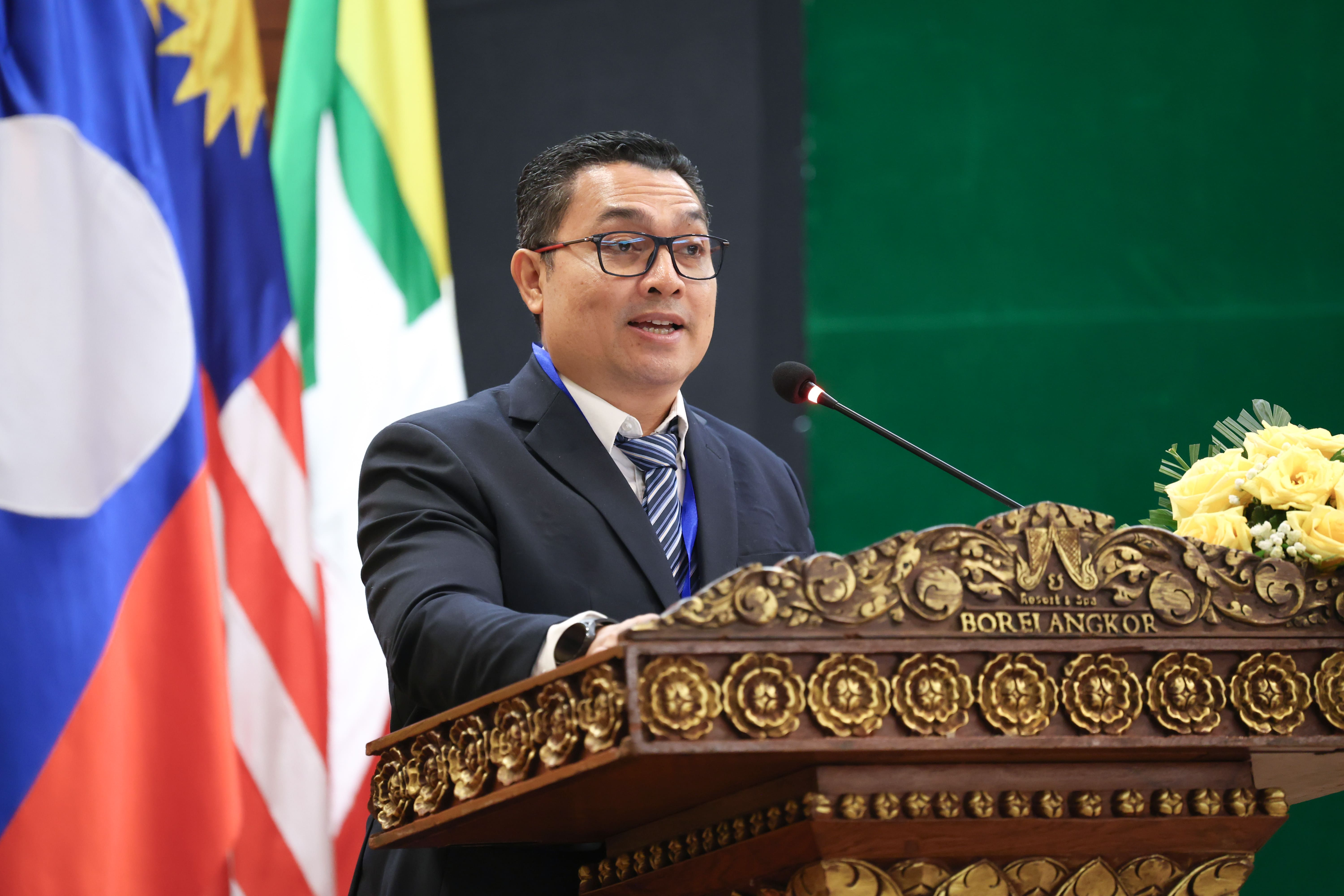
Opening the event, Janes Imanuel Ginting, National Director of World Vision Cambodia, framed climate change not only as an environmental challenge but as a crisis that magnifies inequality.
Rising temperatures, floods and droughts do more than damage infrastructure and livelihoods, they intensify risks linked to child protection, gender-based violence, displacement and poverty. Addressing climate change therefore requires a response that prioritises those already facing social disadvantage.
That framing shifted the tone of the dialogue. The focus moved from climate ambition alone to a more pressing question: who is being left behind?
“That is why we are here today. Because climate change is not only an environmental crisis. It is a child protection crisis. A gender equality crisis. And a social inclusion crisis,” he said, reaffirming that resilience efforts must prioritise the most vulnerable populations," said Janes.
Children at the Centre, Not the Margins
One of the dialogue’s most striking elements was the deliberate inclusion of children’s voices, not as symbolic participation, but as a lens shaping policy conversations.
Across ASEAN, climate impacts are already disrupting children’s lives. Education is interrupted by floods and extreme heat. Household incomes fall as crops fail. Water shortages increase daily burdens. Safety risks grow during disasters.
Young participants spoke not only about vulnerability but also about agency.
A Cambodian youth leader, Paris, highlighted findings from regional child-led research spanning six countries, showing how extreme weather events are increasingly affecting schooling, nutrition and household stability. His message to policymakers was direct: children do not want to be seen only as victims or beneficiaries. They want recognition as partners, contributors to research, planning and solutions.
It was a reminder that climate resilience cannot be built without those who will inherit its consequences.
Inclusion as a Design Principle
Throughout the dialogue, technical discussions emphasised Gender Equality, Disability and Social Inclusion (GEDSI) as a core framework for climate action.
In practical terms, inclusion determines outcomes:
Who receives early warning information?
Who can evacuate safely during disasters?
Who accesses social protection when livelihoods collapse?
Who has a seat at the decision-making table?
When these questions are not addressed, climate policies risk reinforcing inequality rather than reducing it.
From Dialogue to Regional Action
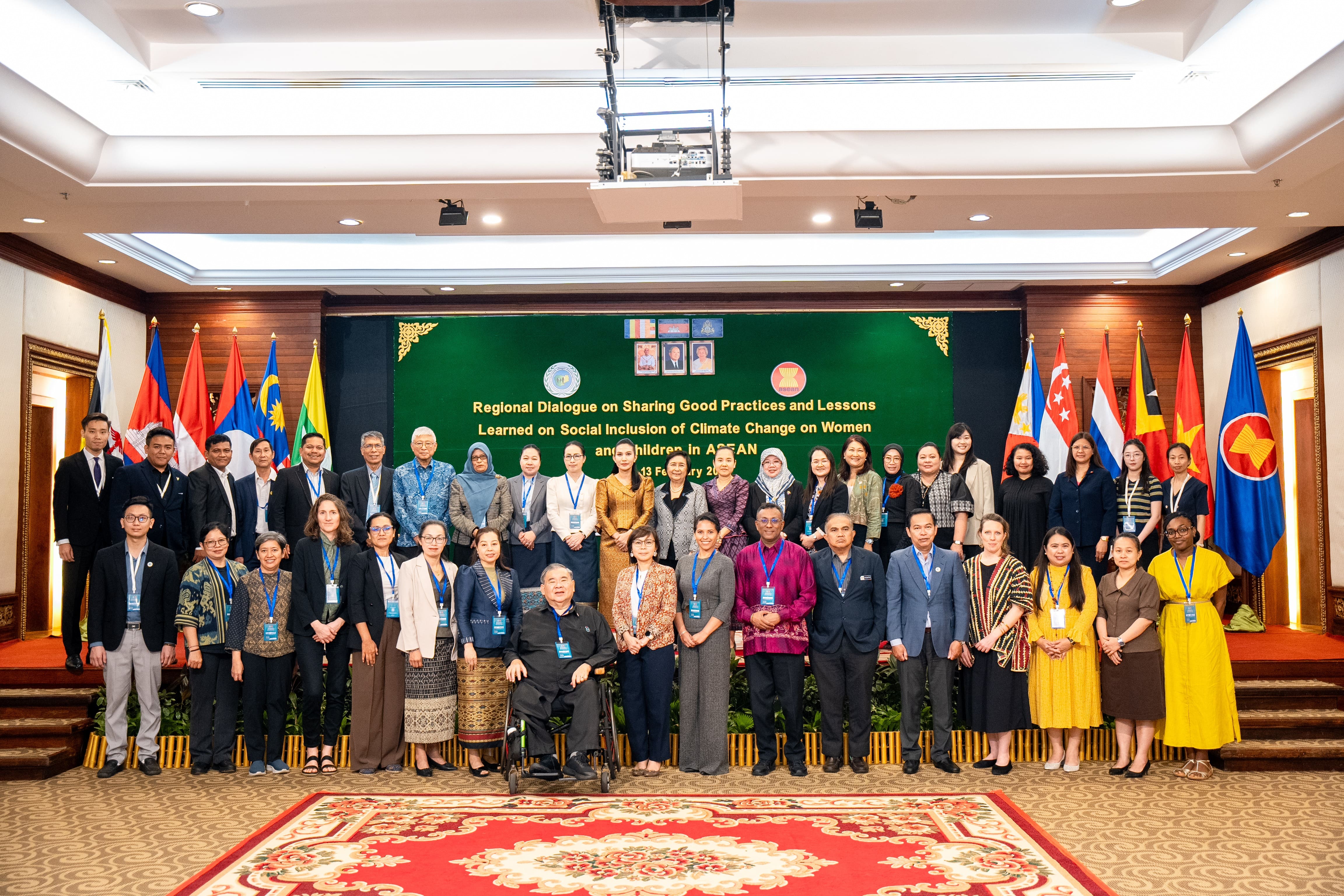
The Siem Reap gathering forms part of a broader ASEAN-led process to document good practices and lessons learned across Member States. The aim is not only knowledge sharing but replication, ensuring successful approaches can be adapted across countries and contexts.
A final regional report will consolidate findings and recommendations for policymakers, practitioners and partners. World Vision and its regional and national offices will continue supporting documentation, analysis and dissemination efforts in the months ahead.
A Necessary Shift
The dialogue ultimately underscored a fundamental transition required in Southeast Asia’s climate response: from policies created for communities to policies shaped with them.
Women and children are among those most affected by climate change. But they are also among the most important actors in building resilience, through knowledge, leadership and lived experience.
If climate strategies are to succeed, inclusion cannot remain a principle discussed in conference rooms. It must become the standard guiding action on the ground.
Because resilience that excludes is not resilience at all.