
Beyond Survival: Empowering Families in Khor William Through S4T

The ongoing economic recession in South Sudan has pushed many families into hardship, particularly in the outskirts of Juba in Central Equatoria State. In Khor William, one of Juba County’s suburbs and homes to internally displaced people from Yei and Lainya, residents are beginning to embrace the value of saving, building trust in financial institutions, and accessing loans to strengthen their livelihoods. This positive shift has been made possible through the Efforts to Promote Income‑Generating Capacity (EPIC) project.
One of the project’s participants is Rejoice Poni, a 42-year-old mother of seven who fled the conflict in Lainya County. Before displacement, Rejoice relied on farming to sustain her family. But when violence forced them to move to Juba, land for farming became limited.
Faced with growing needs, Rejoice started a small business to support her family. While it helped cover basic needs, the income was never enough for medical care or school fees.
“I have been running a small business since 2018, but it only meets our basic needs and provides food for my family,” Rejoice recalls.
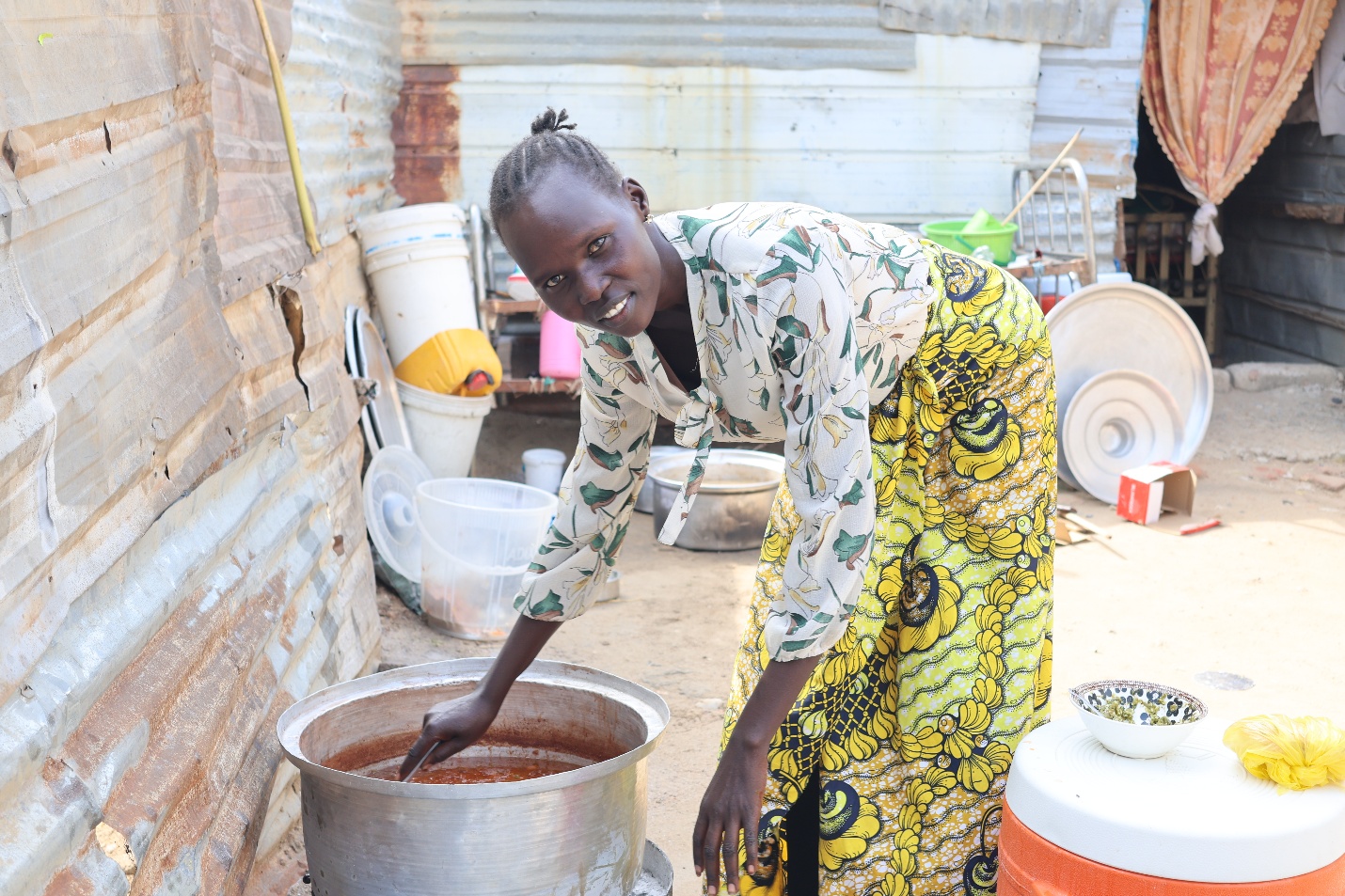
Early this year, the EPIC project, implemented by World Vision South Sudan, trained more than 1,000 vulnerable urban and peri-urban households in Juba County in business skills and encouraged them to form Savings for Transformation (S4T) groups. These groups of 30 people allow members to save regularly and access loans during times of need.
Rejoice joined the Blessing Women Saving Group and took her first loan of 1,200,000 South Sudanese Pounds (SSP), equivalent to US$210, which she repaid with a 15% interest. This initial step boosted her confidence and enabled her to expand her business. As the group grew, they were linked to a national cooperative institution called the Rural-Urban Finance Institute (RUFI), which provided a safe place to keep their savings. Through this partnership, members could access larger loans at a lower interest rate of 10%.
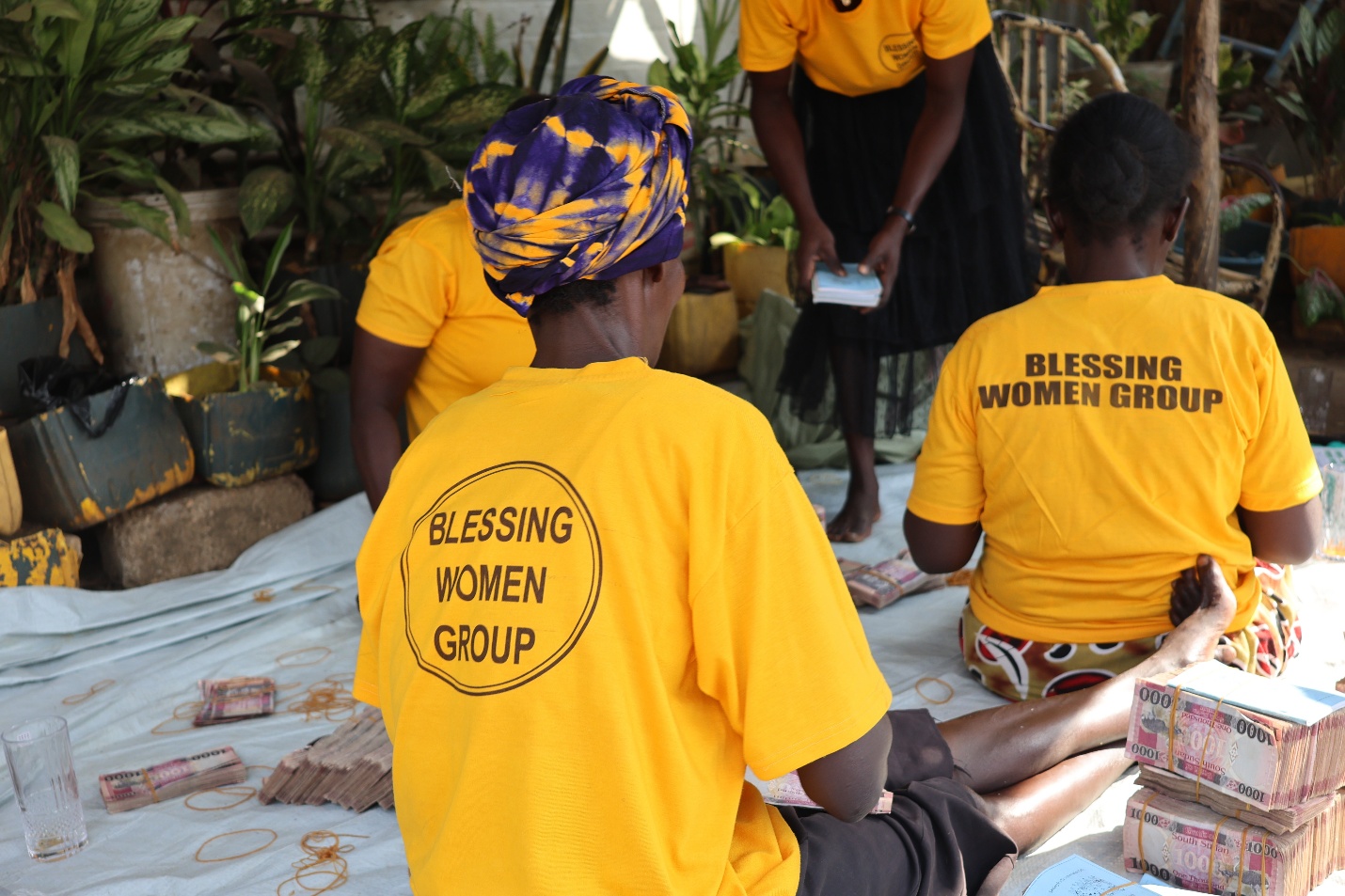
“We used to fear financial institutions, thinking our money would never come back. At the same time, keeping large sums of money at home felt risky. Today, that fear is gone,” Rejoice admits.
With access to affordable loans and a secure savings system through the S4T group and cooperative linkages. Rejoice plans to expand her business and strengthen her family’s financial stability.
About EPIC Project:
Efforts to Promote the Income-generating Capacity (EPIC) are funded by World Vision Hong Kong and implemented in Rajaf and Kator Payams of Juba County, South Sudan. The project aims to improve the income-generating capacity of vulnerable urban and peri-urban households by addressing root causes of vulnerability and promoting sustainable livelihoods. EPIC empowers beneficiaries to embrace farming as a business through vegetable production, strengthens off-farm income sources through Village Savings and Loan Associations (VSLAs), and promotes agroforestry practices to boost biodiversity and climate resilience, thereby contributing to improved health and nutrition for vulnerable children. Each year, EPIC enrols 2,000 households (1,500 female-headed and 500 male-headed), with 1,500 engaged in vegetable farming and 500 in savings groups, restoring dignity and economic independence to urban communities.
Story by Leju Alan Roba | Communication Officer