
Blue Corridor: Protecting Viet Nam’s Oceans, Securing Coastal Futures

Viet Nam is home to one of the world’s most biologically rich coastal environments, an intricate web of marine ecosystems that sustains more than 11,000 identified species and supports the food security, livelihoods and safety of millions of people. Stretching along the country’s coastline are more than 20 distinct ecosystems, from coral reefs and seagrass beds to mangroves and estuaries, each playing a vital role in ecological balance and human wellbeing.
But this natural wealth is under mounting threat.
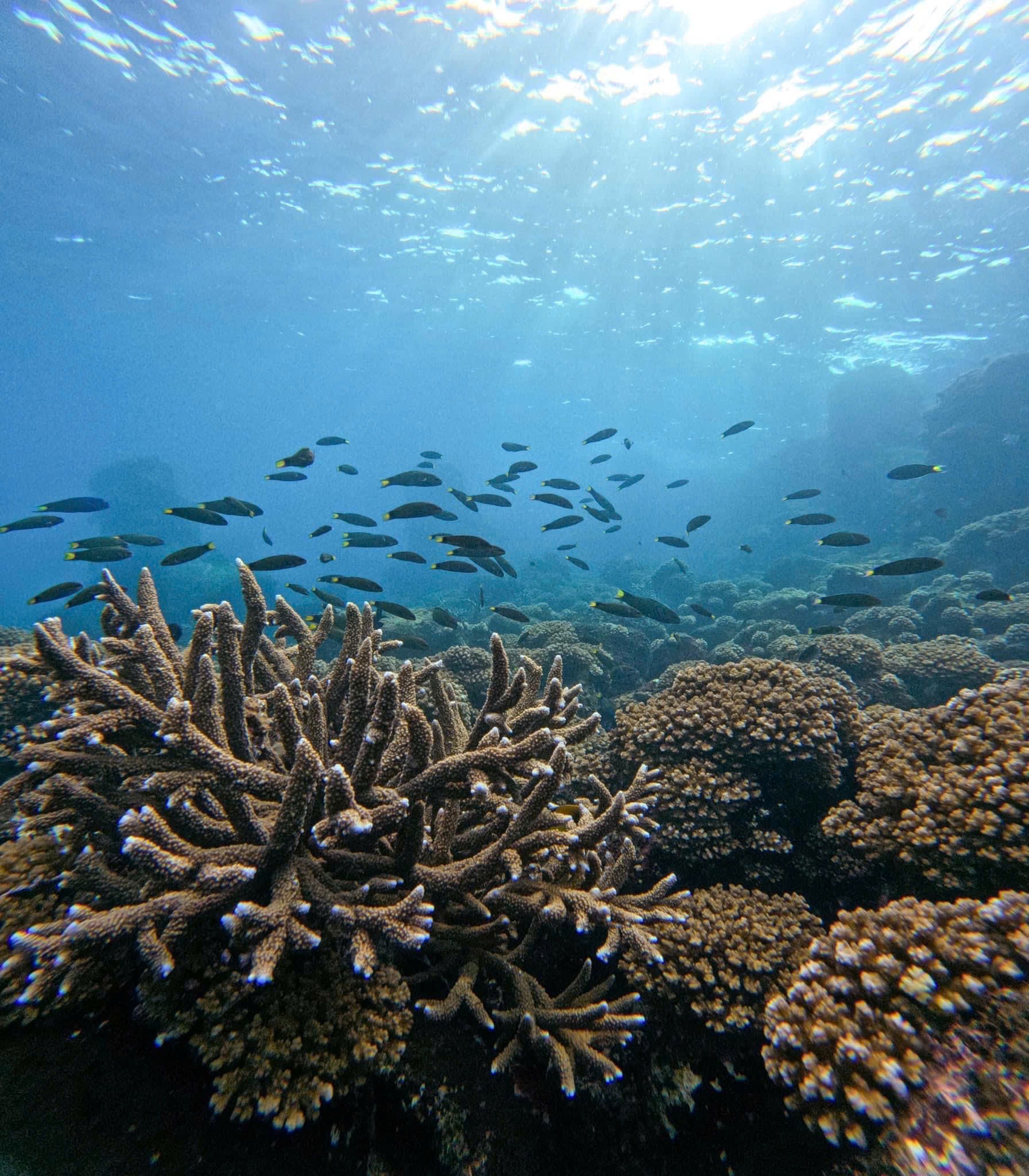
Overfishing, pollution, habitat degradation and the intensifying impacts of climate change are placing unprecedented pressure on marine ecosystems and the communities, especially children, who depend on them most. As coastal resources decline, the risks ripple outward: lost income, food insecurity, increased disaster vulnerability and fewer opportunities for the next generation.
Recognising both the urgency and opportunity, the Government of Viet Nam has committed to expanding marine conservation areas to at least 6% of national waters by 2030. Supporting this national vision, World Vision International in Viet Nam, together with World Vision Ireland and in partnership with WWF-Viet Nam, is launching the Blue Corridor for Biodiversity and Fisheries Protection in Central Viet Nam project from 2026 to 2030.
With a total investment of €4.4 million, including €3.25 million from the Blue Action Fund and its funding partners (BMZ, KfW Development Bank, the Swedish Ministry for Foreign Affairs, Agence Française de Développement (AFD), Norad and Irish Aid), the initiative marks several important milestones. It represents the first Blue Action Fund–supported project in Viet Nam, the first marine conservation initiative across the World Vision partnership globally, and World Vision International in Viet Nam’s first collaboration with WWF-Viet Nam. Together, these milestones signal a growing commitment to environmental stewardship as a core pillar of child wellbeing and climate resilience.
Connecting Ecosystems, Strengthening Fisheries
At the heart of the initiative is an ambitious concept: creating an interconnected “Blue Corridor” linking Marine Protected Areas (MPAs) and Other Effective Area-based Conservation Measures (OECMs) across coastal zones in Quang Tri Province and Da Nang.
Rather than treating conservation sites as isolated pockets, the corridor approach recognises that marine ecosystems function as connected systems. Protecting spawning grounds, nurseries and migration routes together strengthens fisheries recovery, safeguards biodiversity and improves long-term ecological resilience, including protection for endangered species such as whales.
It also creates a stronger platform for coordinated research, shared data and joint governance across conservation areas.
Local experts already understand the stakes. As one specialist from the Cham Islands Marine Protected Area explained during consultations:
“This area is not only nipa palm and mangroves. It is a nursery for young fish. Large fish come here to spawn, and when the young grow, they return to replenish fisheries. Protecting these connected habitats protects our livelihoods.”
Communities at the Centre of Conservation
Equally critical is the project’s focus on people.
Coastal communities are not positioned as beneficiaries alone, but as partners in conservation and climate action. The initiative will strengthen management of existing marine protected areas while piloting community-led recognition of OECMs, empowering local stakeholders to play a central role in safeguarding resources.
Households, particularly women, persons with disabilities and families most vulnerable to climate shocks, will receive support through:
- Capacity building in community development and Gender Equality, Disability and Social Inclusion (GEDSI)
- Sustainable marine-based livelihood development and vocational training
- Small grants, savings groups and improved access to finance
- Disaster risk reduction and climate adaptation support
These investments aim to diversify income sources, reduce dependence on overexploited marine resources and strengthen resilience as climate risks intensify.
For many community members, conservation and economic stability are inseparable. A resident from Hoi An shared his hope:
“If cooperatives can be established to collectively manage tourism in the nipa palm forest, local families can stabilise their livelihoods while protecting the forest for future generations.”
Investing in Children’s Futures
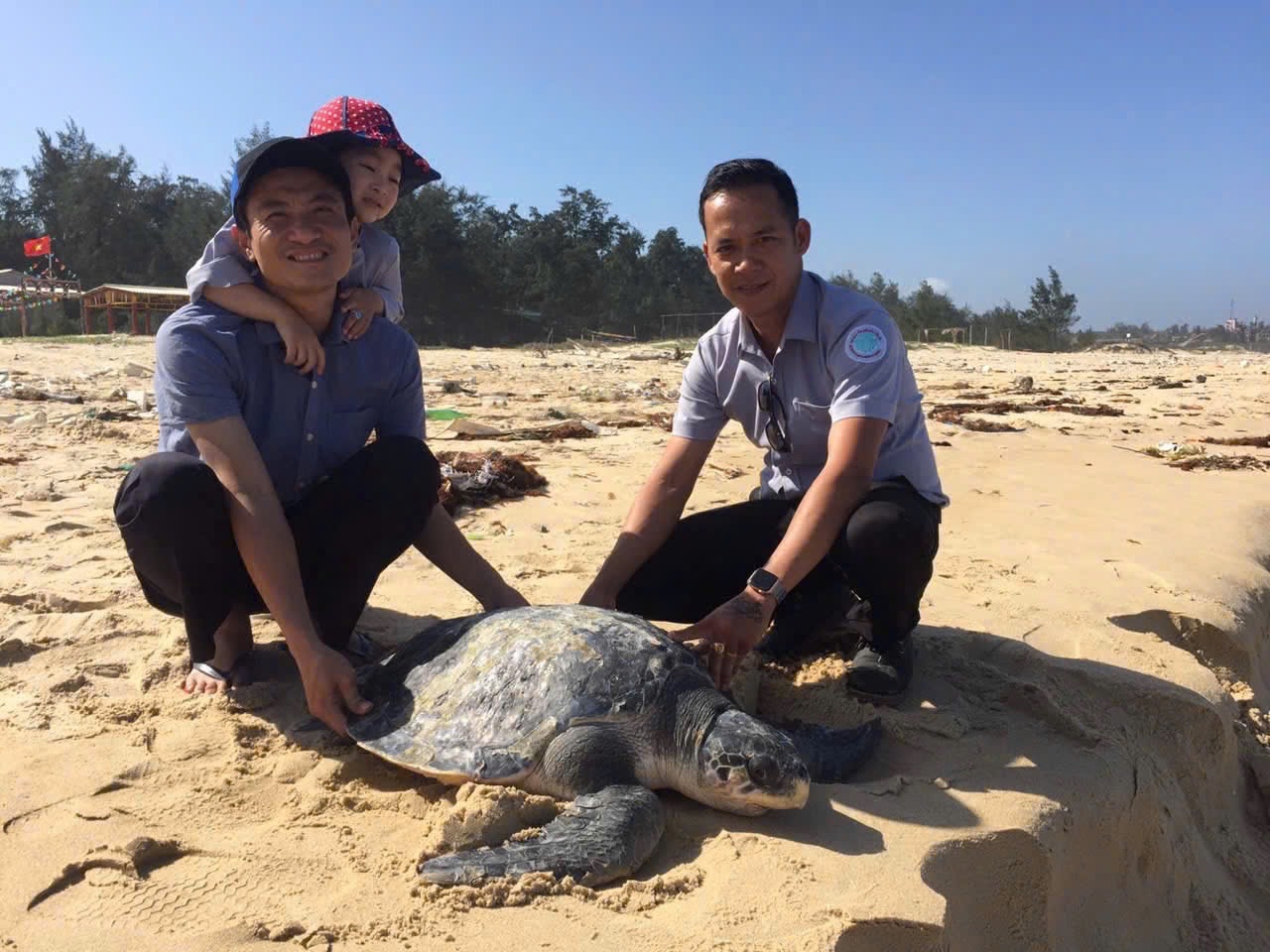
Over its lifetime, the project is expected to benefit more than 51,000 people across the two target areas, including over 2,300 individuals supported to transition toward more sustainable livelihoods.
Beyond environmental gains, the initiative represents an investment in the future of children growing up along Viet Nam’s coast. Healthy marine ecosystems provide more than biodiversity, they offer protection from storms, reliable food sources, stable incomes and safer communities.
By linking ecosystem protection with community resilience, the Blue Corridor initiative demonstrates a powerful truth: safeguarding nature and safeguarding children’s futures are inseparable goals.
In a time of accelerating climate uncertainty, protecting oceans is no longer only about conservation. It is about survival, dignity and opportunity, for communities today and for generations to come.
Written by: Le Hoang Anh Ngoc, Communications & Public Engagement Manager, WV Viet Nam