
World Vision Strengthens Women-Led Organisations to Advance Humanitarian Action in Burkina Faso

In the Liptako, Kuilsé and Kadiogo regions, World Vision implemented the AWA (Amplify Women’s Action) project, an initiative designed to strengthen the organisational, technical and operational capacities of local women-led organisations. The goal was to enable them to play a greater role in humanitarian action, development and peacebuilding within their communities, while also meeting humanitarian standards and donor requirements.
Through this project, four women-led civil society organisations (CSOs) received support: the Association Féminine pour le Développement Participatif (AFDP), the Association Femmes pour la Dignité du Sahel (AFDS), Association Djam Weli, and Association LYDIE.
Building Capacity to Increase Local Impact
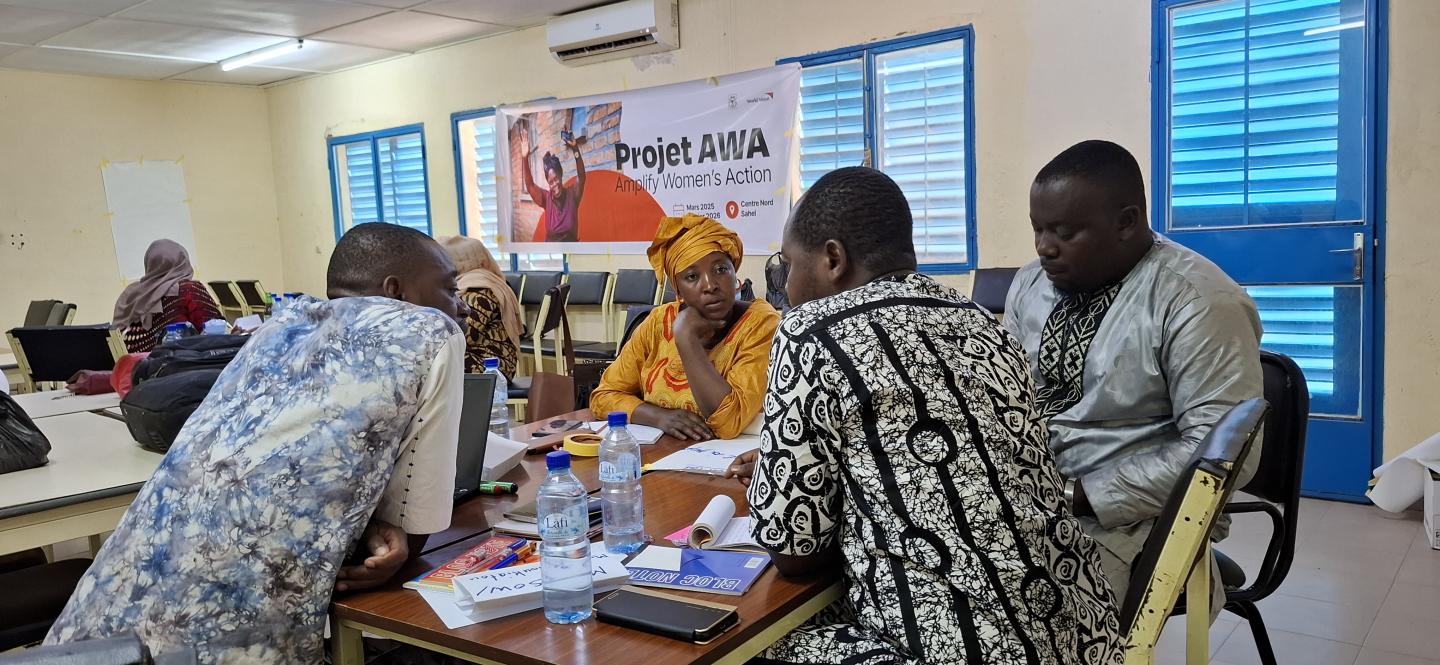
Implemented over a twelve-month period, from March 2025 to February 2026, the AWA project combined a progressive capacity-strengthening process with a practical phase during which partner organisations designed and implemented micro-projects.
The approach focused on sustainably strengthening the capacities of CSOs through specialised training, hands-on coaching, and ongoing technical support.
“We first benefited from capacity-strengthening activities, and afterwards our association received a grant to implement a micro-project that positively impacted the lives of at least 2,700 people in the municipality of Dori. Today, our organisation has emerged stronger from this collaboration with World Vision,” said Diabaté Aissatou of the Association Femmes pour la Dignité du Sahel.
These training activities were complemented by regular coaching sessions to support the adoption of tools and best practices. In total, 15 training and coaching sessions were delivered, strengthening the capacities of 24 participants, including 13 women leaders and technical staff from the four partner CSOs.
For Mariam Tamboura of Association Djam Weli, the results are already evident:
“Today, Association Djam Weli has significantly progressed thanks to this experience with World Vision. The training we received enabled us to make substantial improvements in financial management, human resources and logistics. We are now able to develop our own project proposals and engage partners to secure funding.”
Putting Theory into Practice Through Grants
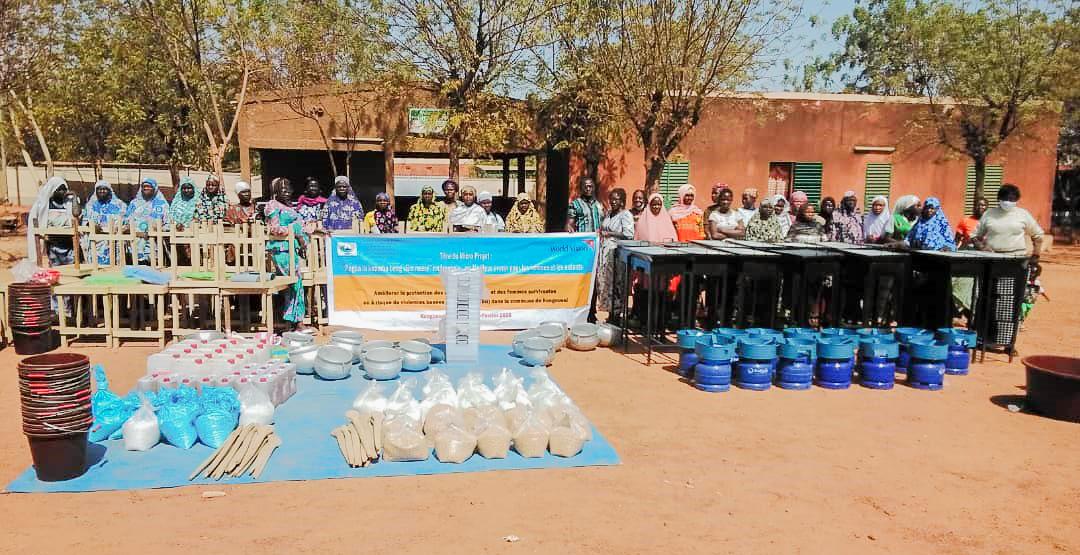
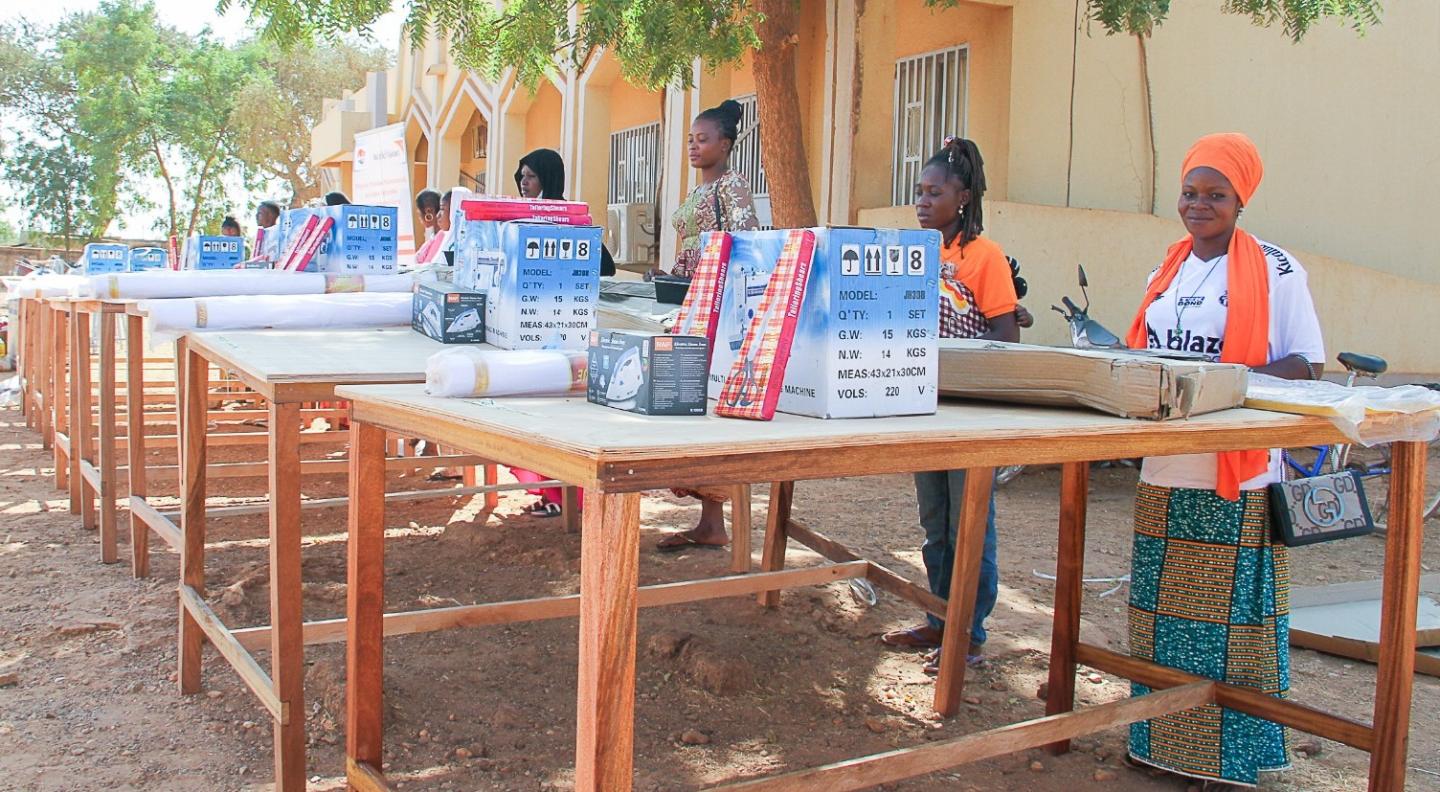
To enable partner organisations to apply the knowledge they had acquired, grants were awarded to support the implementation of community-based micro-projects.
“Each of the four CSOs received a grant of US$33,200 to put into practice the skills acquired in project and grants management. Regular technical support, including coaching, monitoring and feedback, was provided to ensure quality implementation and compliance with standards,” explained Da Sié Étienne, AWA Project Manager.
This approach allowed partner organisations to strengthen their practical experience while enhancing their credibility with development stakeholders and donors.
A Lasting Legacy for Local Organisations
Beyond the technical skills acquired, the project also contributed to strengthening the institutional structures of the partner organisations.
“Our collaboration with World Vision teams has truly enabled our organisation to reach a new level. We developed several reference documents and internal policies that we did not previously have. Through this partnership, we have learned a great deal and intend to share these lessons with other associations,” noted Sou Audrey of Association LYDIE.
The results of the AWA project demonstrate that investing in the capacities of local organisations is a key driver of more effective, inclusive and sustainable humanitarian action. By strengthening women’s leadership and the capacities of community-based organisations, World Vision is helping to advance the localisation agenda, an approach that places local actors at the centre of humanitarian and development responses.