
Closure of the Eco-Agri+ Project in Koutiala: a step towards sustainable resilience

In the Koutiala region, particularly in the municipalities of Zanina and Fakolo, in the M’Pessoba district, challenges related to agriculture are an integral part of the daily lives of the communities.
The irregularity of rainfall, soil degradation, limited access to agricultural inputs, as well as insufficient water for vegetable gardening, weaken the survival of small farmers and women, who are often the most vulnerable.
Faced with these realities, the Eco-Agri+ project was implemented to support communities in adapting to climate change, while strengthening their agricultural productivity and resilience. By promoting improved seeds, agroecological practices such as assisted natural regeneration, and working closely with technical services, the project laid the foundations for a more sustainable agricultural system.
As it approached its closure, an official workshop brought together local authorities, technical partners, community members, and beneficiaries. More than just a formal moment, this meeting was a valuable opportunity for exchange, learning, and collective reflection on sustaining the achievements.
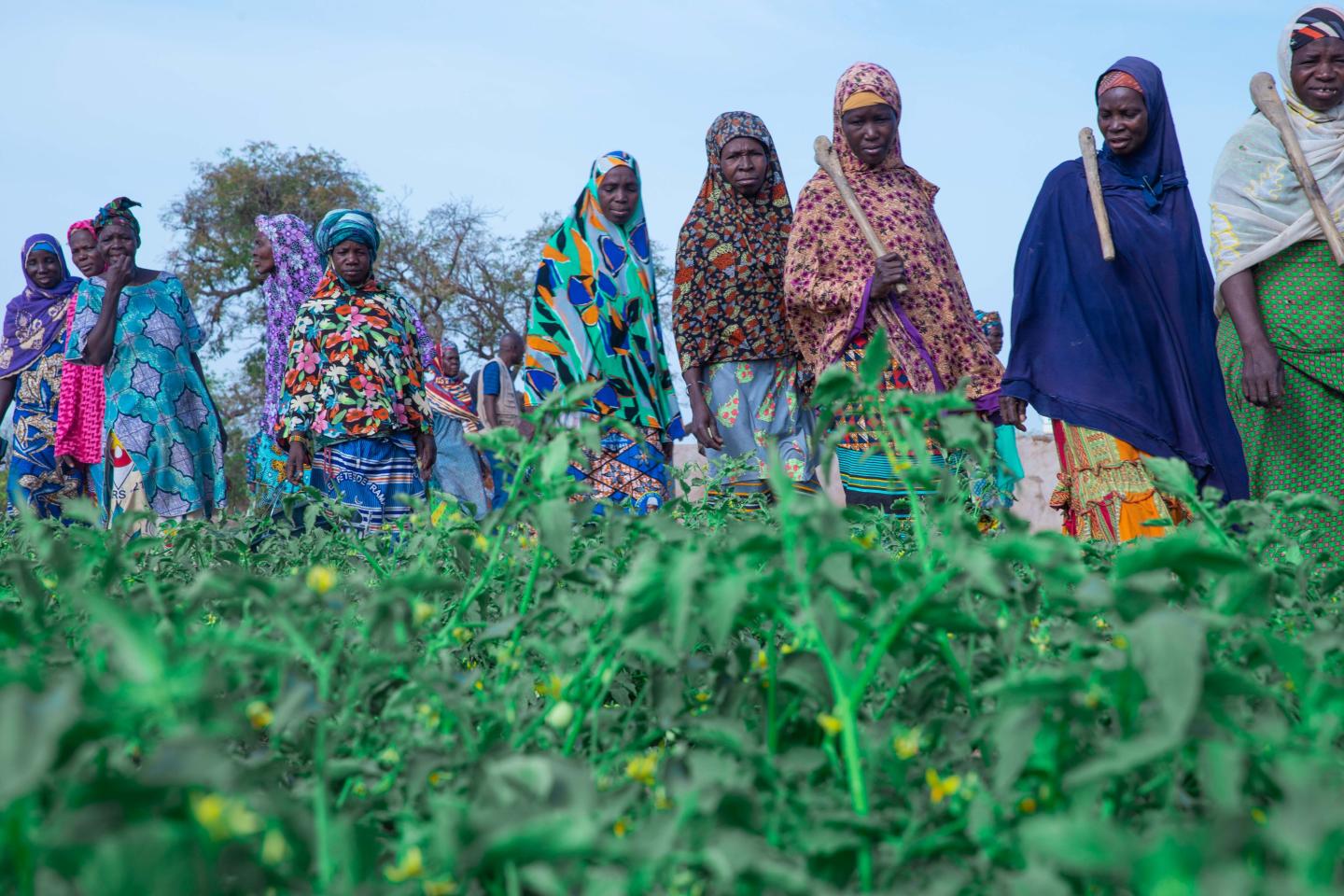
Concrete changes have been made in the lives of the beneficiaries. For many, the impact of the project is already visible. "Before, our harvests were low because we did not have access to improved seeds or suitable techniques. Today, our yields have increased, and we are better prepared to face climatic hazards," says Aissata, a farmer from Zanina.
‘’In Fakolo, where access to land and gardening spaces is often limited for women, the project has strengthened their role in local food production and family income. "Thanks to the support received, I was able to improve my gardening. Even with little space, I can produce more and help my family," shares Mariam.
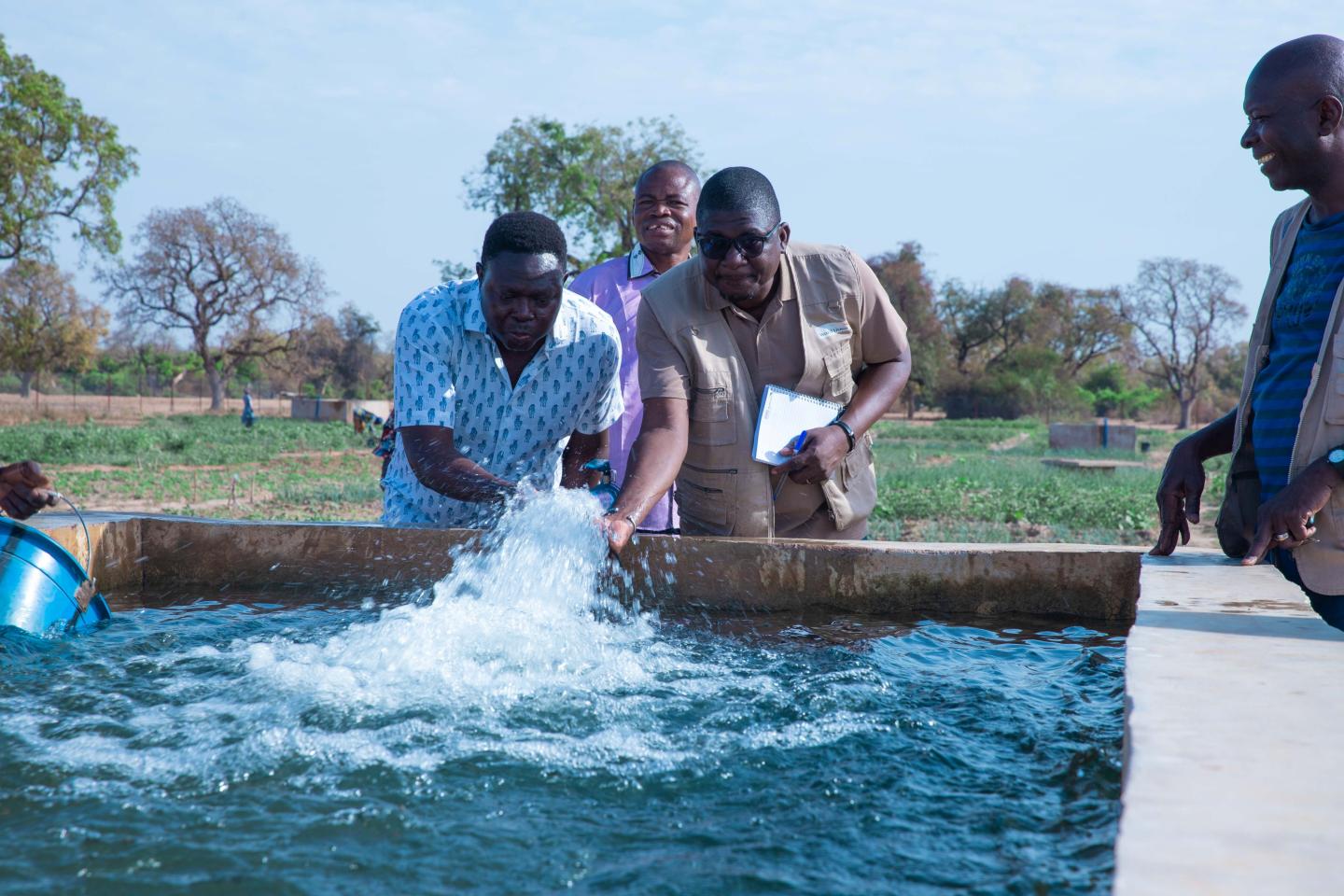
The workshop also allowed openly addressing the challenges that remain, such as access to water, strengthening local environmental protection mechanisms, and improving access to markets for agricultural products.
Participants shared their experiences and formulated concrete recommendations to ensure the sustainability of the progress made at the end of the project.
"This project was not limited to activities, but also aimed to develop knowledge, practices, and local ownership. Its true impact will be measured by how communities continue to apply and adapt these solutions in the years to come," explained Yacouba Berthe, Project Manager.
While the closure of Eco-Agri+ marks the end of a project cycle, it also signals the beginning of a new phase, one in which communities, local authorities, and partners take shared responsibility for sustaining and expanding the achievements.