
Community health workers in Ouallam: silent guardians strengthening epidemic response
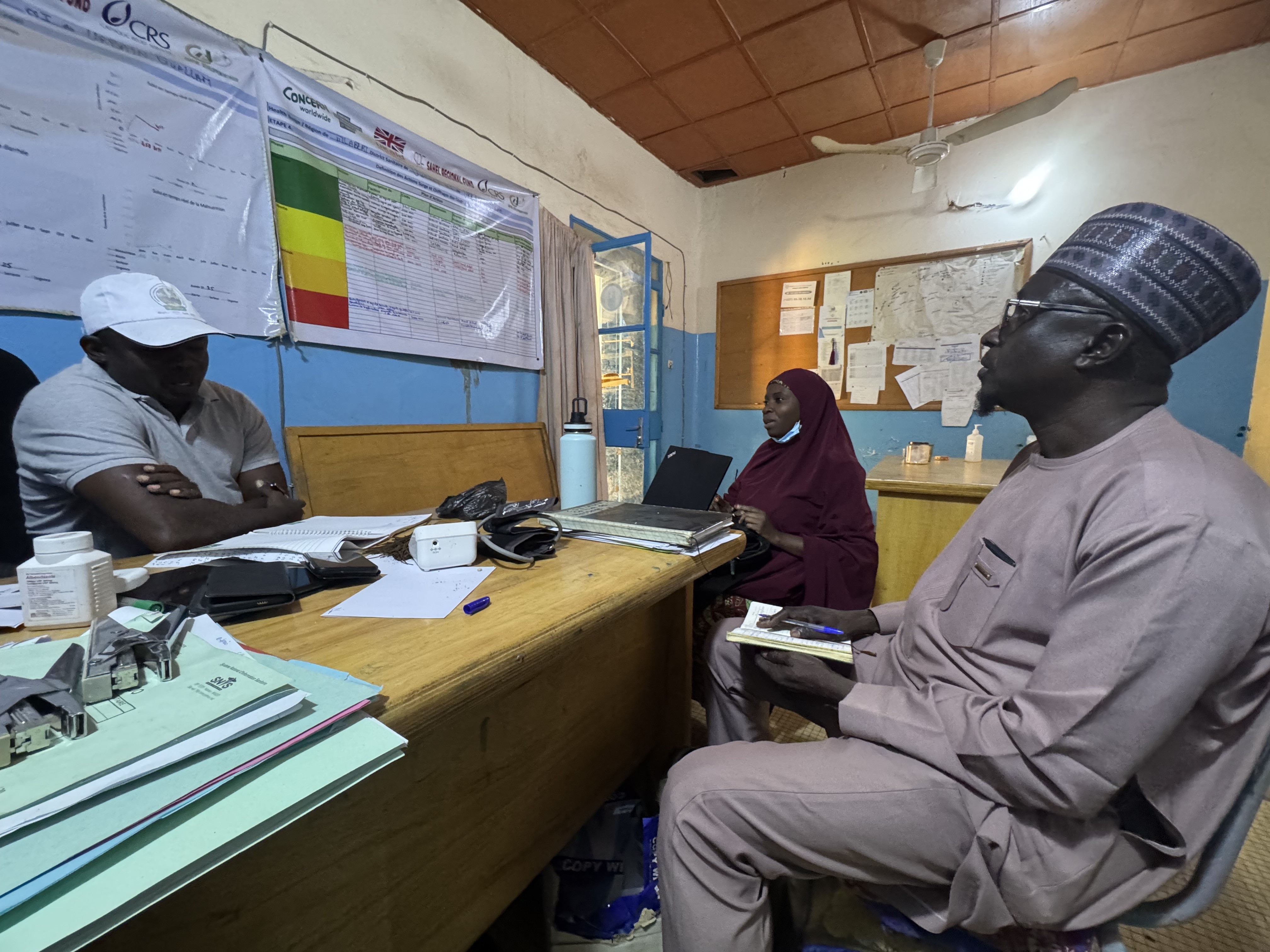
In Ouallam, 39 community health workers watch over families every day, often in challenging circumstances marked by insecurity and limited resources. For Souleymane Idrissa, head of the Ouallam health center, the trainings delivered through the “Strengthening access to care and epidemic control” project funded by WHO and implemented by World Vision Niger and ISCV, have been a turning point.
“We learned so much during the training on gender‑based violence case management. Here, such situations are often hidden and considered too shameful to talk about. Victims remain alone with their trauma. Today, we have asked the relay to systematically refer all suspected cases, in addition to surveillance. We even have a psychologist ready to support survivors.”
The progress does not stop there. Thanks to the module on the minimum emergency activity package, community workers now detect and report serious diseases more rapidly. “Just last week, a relay reported three suspected measles cases in an internally displaced persons site. The children had missed the last vaccination campaign. We immediately visited the area with the epidemiology officer to sensitize families and remind them of the importance of seeking care at the first signs.”
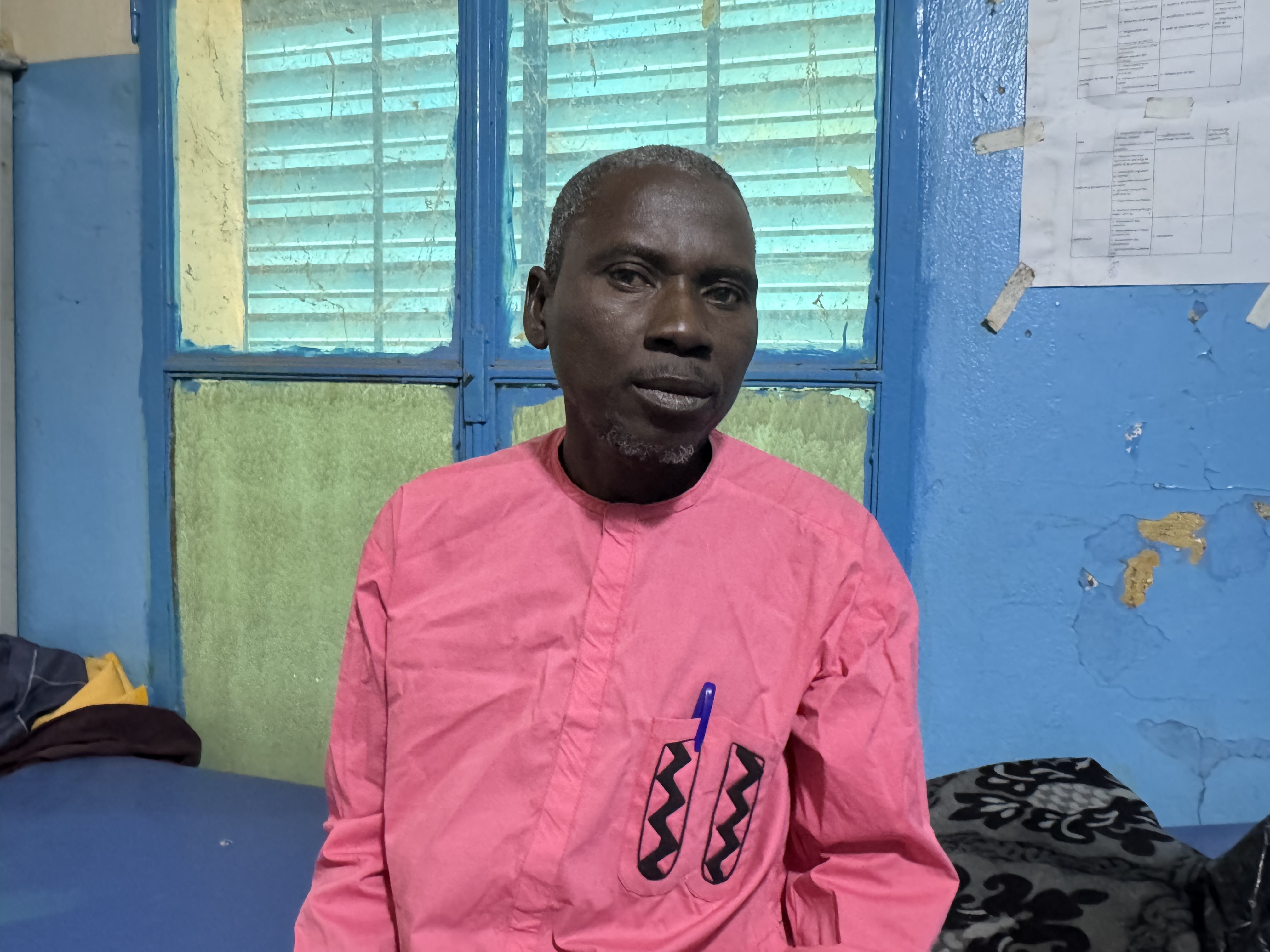
For Seyni Seydou, 54 years old and a community health worker for 13 years in Ouallam Department, the journey began with a simple assignment: “I started by distributing albendazole and other medicines. That’s where it all began. And I discovered a true passion: helping others.”
Over the years, Seyni has become indispensable. During screenings, the same diseases return malaria, cholera, measles and each time, he counsels, supports, and encourages families to seek care. “We encourage parents to bring their children for treatment. Awareness‑raising is a core part of our work. It is essential to protect our villages.”
The project has strengthened his mission even further. “During the training on the minimum emergency activity package, we learned how to welcome internally displaced persons, make them feel safe, and even establish a monitoring committee. We also have to inform them about notifiable diseases such as tuberculosis, chickenpox, or meningitis.”
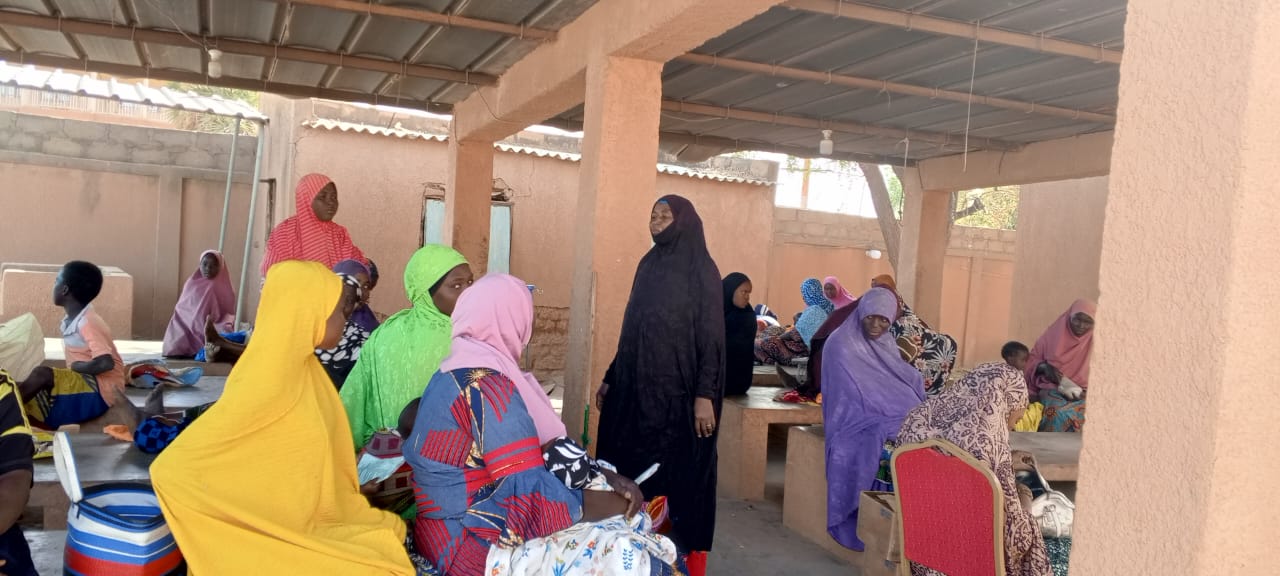
For Seyni, commitment goes far beyond any project timeline: “We will continue raising awareness throughout the project and even afterwards. We will also contribute to strengthening social cohesion. Thank you so much for the trainings, we will benefit from them, but above all, our communities will.”
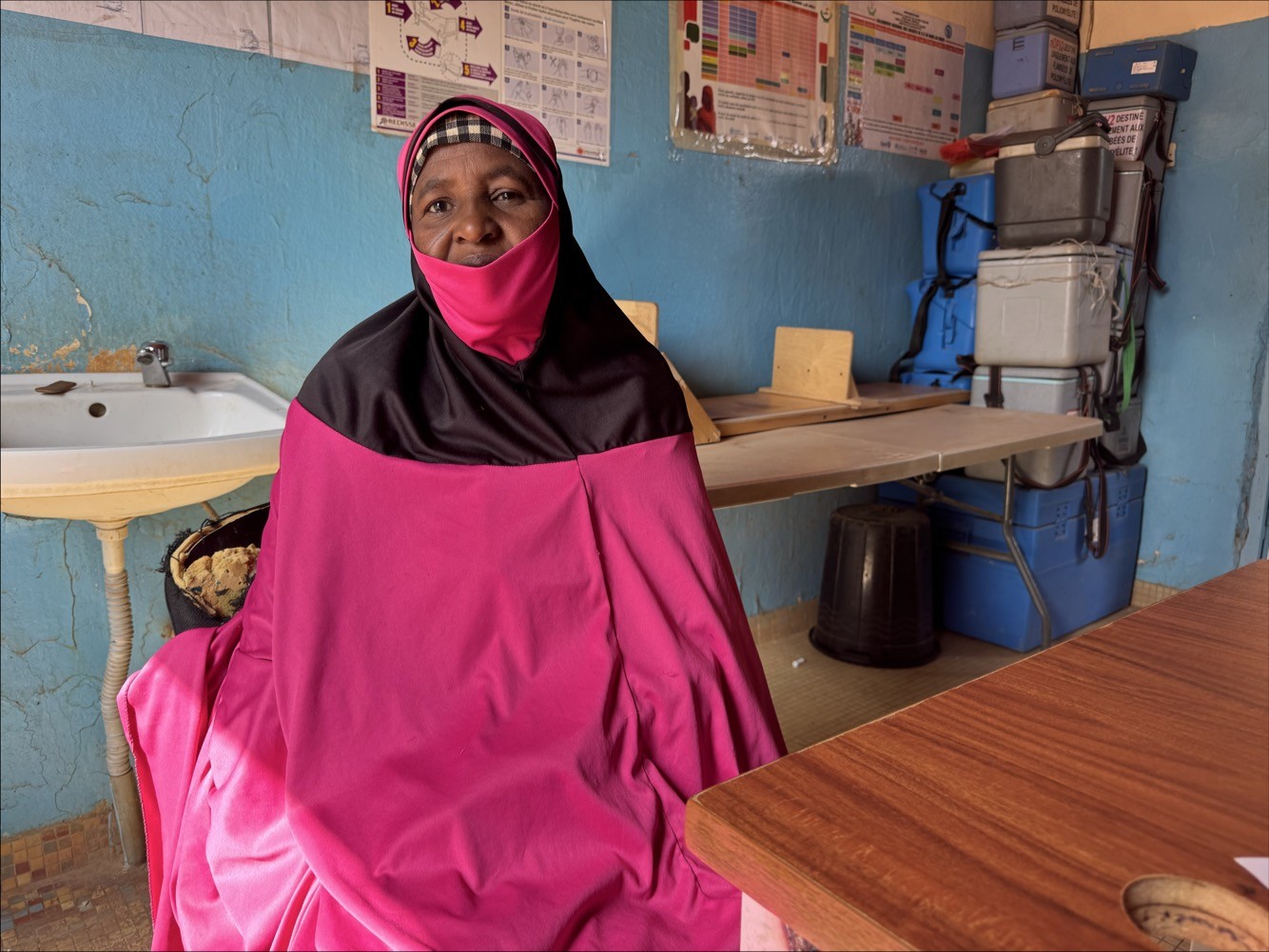
At 45 years old, Maimouna Birgui has served as a community health worker for 14 years. Her motivation has always been simple and powerful: “I decided to become a relay to help my community. Today, people come to me themselves to ask for advice.”
In the surrounding villages of Ouallam, malaria, meningitis, measles, and cholera remain the most recurrent illnesses. Maimouna is on the frontline every day. “As soon as we detect symptoms, we immediately report them to the health center.”
The training she received through the project was transformative: “We truly loved the training. It strengthened our knowledge. People even say we’ve become the doctors of our villages! They taught us how to sensitize families to prevent diseases and how to react in front of a suspected case.”
Maimouna now sees her mission expanding: “I plan to raise awareness in every household, everywhere I go. We pray that donors never tire of investing in our communities and training us. It helps the population so much. Thank you… even ‘thank you’ feels too small for what I feel.”
Thanks to the skills built through the project, community health workers in Ouallam are now better equipped to protect their communities, break the silence around gender‑based violence, detect and respond to epidemics more rapidly et and strengthen social cohesion.
From dedicated volunteers, they have grown into true health sentinels, standing at the frontline of disease prevention and community well‑being.