
Rehabilitating Care: A Renewed Health Centre for All

When Nawal walked back into the Derdghaya Socio-Medical Centre after months of closure, she was met with broken glass, dust, and silence. Yet she also felt a strong sense of duty. “I’ve been working here since 1988,” she says, gently straightening a stack of medical files. “This centre is like my home. I could not give up on it.”
A nurse trained by the Imam Sadr Foundation, Nawal has dedicated more than three decades to serving families from Derdghaya and the surrounding villages in South Lebanon. People from Touline, Abbassieh, Deir Qanoun and even further come to this centre for treatment, physiotherapy, essential medicines, among others. “When patients arrive, they know they will be treated with care and respect,” she explains.
When the recent conflict forced the centre to close for nearly two months, everything changed. “When we returned, the damage was severe,” Nawal recalls. “We spent days cleaning, trying to bring the place back to life.”
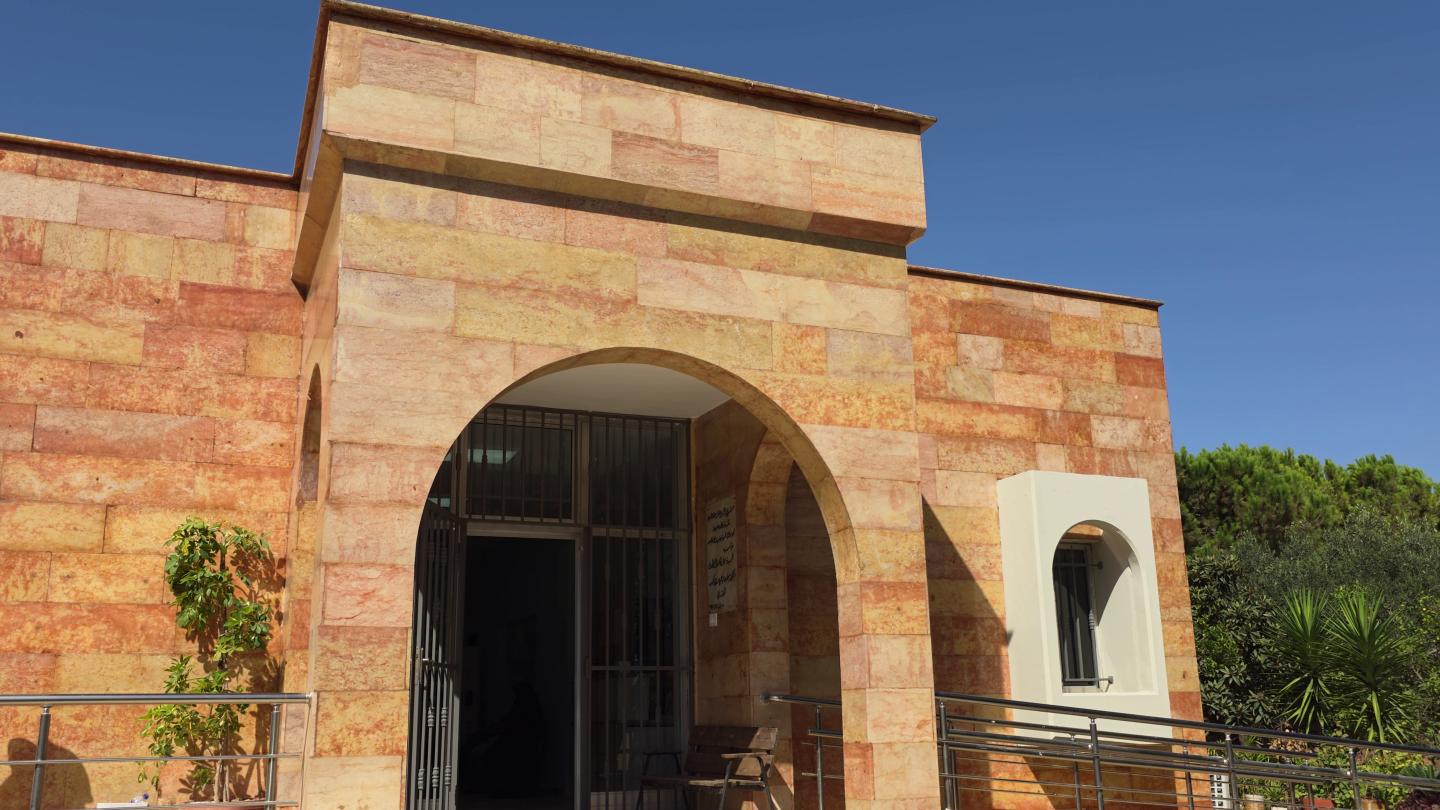
That revival was made possible through the Lifesaving, Gender Responsive Health and Protection Response in Lebanon project, funded by Global Affairs Canada (GAC) and implemented by World Vision in partnership with the Imam Sadr Foundation.
One of the project’s immediate health outcomes is to increase equitable and safe access to lifesaving, gender responsive and inclusive health services for vulnerable women, girls, boys and men, particularly in Nabatiyeh, Marjaayoun and Hasbaya.
This has been achieved mainly through the rehabilitation of affected health centres, the subsidisation of essential health services including sexual and reproductive health, the provision of referrals, the supply of necessary medical equipment and medications, the training of healthcare workers, and awareness raising on topics such as sexual and reproductive health.
“Through this support, we were able to restore the pharmacy, create a triage room and set up proper treatment spaces,” Nawal says. “Now, the centre is organised, welcoming and ready to serve again.”
Today, the Derdghaya Socio-Medical Centre provides healthcare to around 1,000 people from neighbouring villages, with between 500 and 550 consultations every month. Services include physiotherapy, speech therapy, laboratory tests and pharmacy support. “In these hard times, people rely on us more than ever,” Nawal adds. “We do everything we can to make sure no one is left without care.”
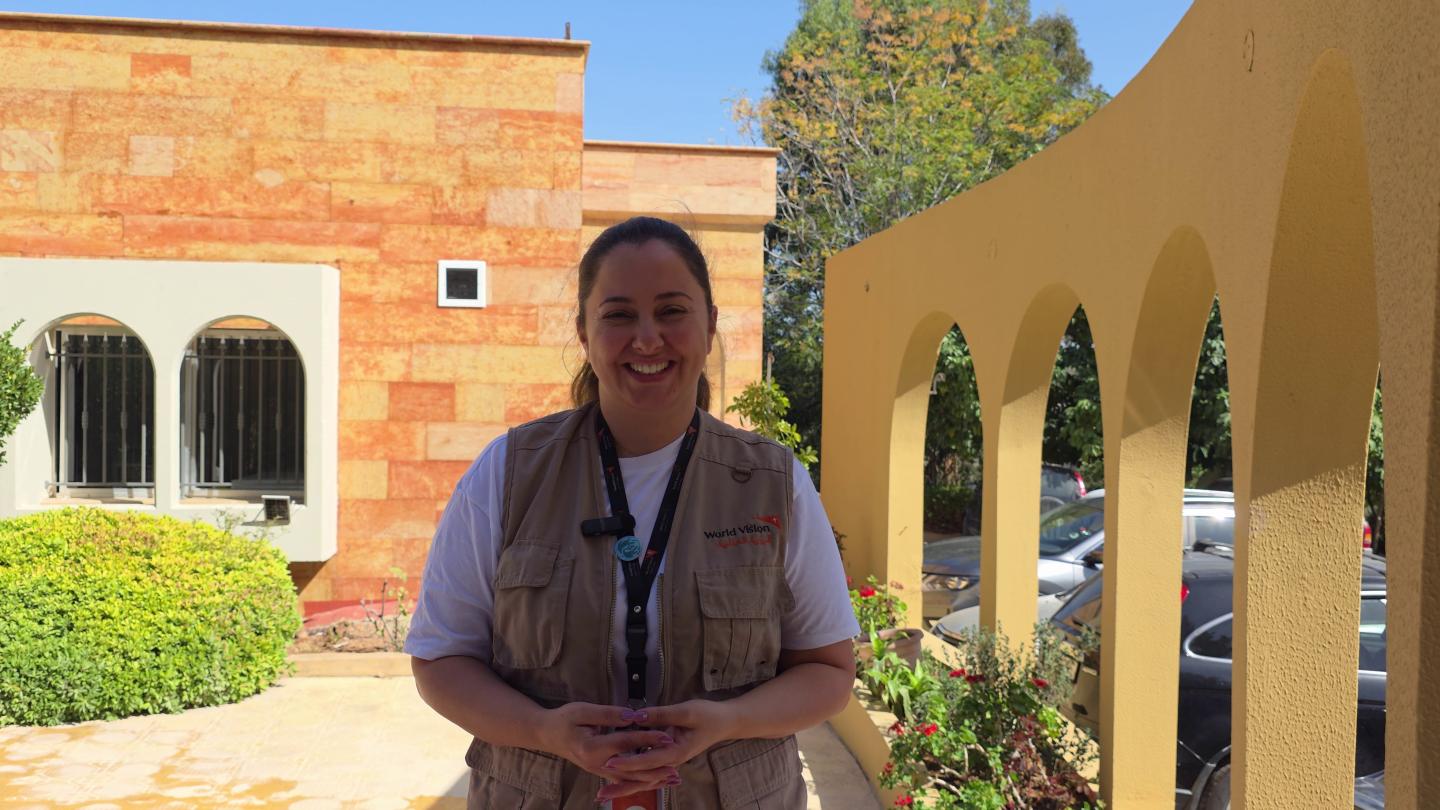
For Dona, a World Vision project officer, the impact goes beyond infrastructure. “Communities here have gone through extremely difficult circumstances,” she explains. “After the escalation, the needs in the health sector grew dramatically. Through the GAC funded project, we are increasing access to primary healthcare so that families can continue receiving the services they need, safely and with dignity.”
Among those families is Zeinab, a local resident who underwent spinal surgery three years ago. “I come here regularly for physiotherapy,” she says. “The team are excellent, they treat us kindly and the services are free. It is not just medical help, it is human care.”
Looking around the renovated building, she smiles. “This centre changed our daily lives. It brought back care, comfort and stability to our community.”