
From Long Walks to Flowing Hope: WASH Transforming Lives in Chipili District

For years, life in one community within World Vision Zambia’s Chipili Area Programme was defined by scarcity, exhaustion, and illness. Access to safe water was a daily struggle. Children and families walked kilometres upon kilometres to the nearest water sources, often shallow wells or streams shared by long queues of community members. The consequences were severe: frequent water‑borne diseases, missed school days, fatigue, and declining academic performance.
For school‑going children, the burden was especially heavy. Many woke up before dawn to fetch water needed for drinking, cooking, bathing, and household chores. The long distances and endless waiting meant arriving late to school, missing classes entirely, or attending lessons while exhausted and unable to concentrate. Dozing in class became common, and poor results followed. Childhood in this community was overshadowed by struggle.
A Turning Point Through I‑WASH
Two years ago, that story changed.
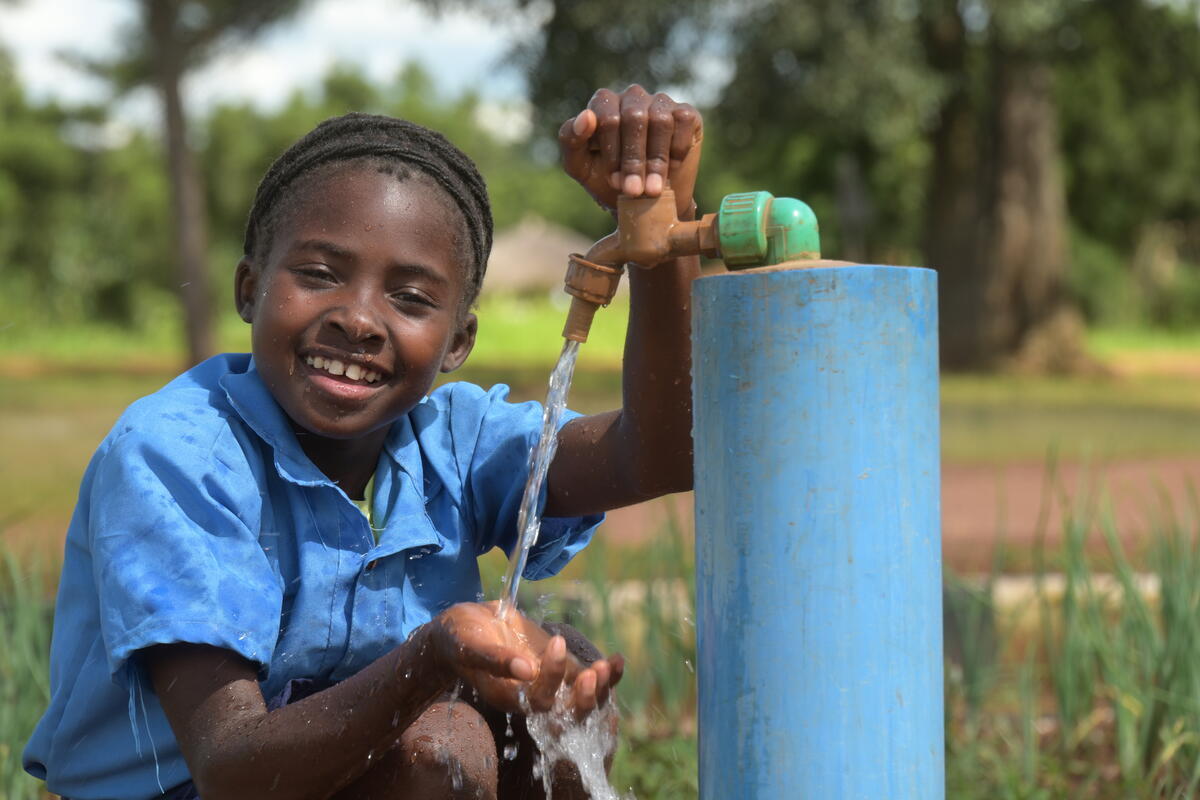
Through World Vision Zambia’s Integrated Water, Sanitation and Hygiene (I‑WASH) programme, a 10,000‑litre mechanised borehole was constructed at the local clinic. Designed to serve both the health facility and the surrounding community, including the nearby school, the borehole brought reliable access to clean, safe water right where it was needed most.
The impact has been nothing short of transformative.
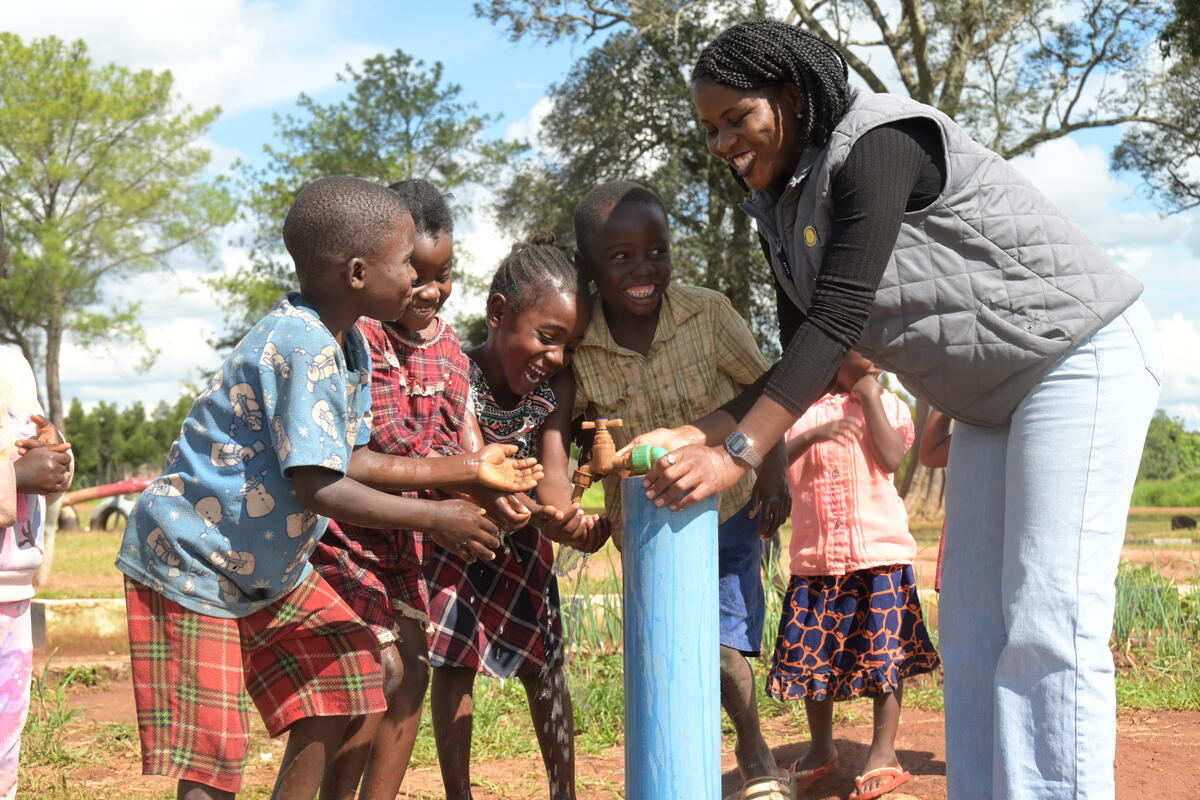
Today, children no longer begin their mornings on long water journeys. Instead, they arrive at school on time, alert, healthy, and ready to learn. Water‑related illnesses have significantly reduced, absenteeism has dropped, and classrooms are filled with energy rather than exhaustion. School gardens are thriving, hygiene practices have improved, and laughter now replaces the gloom that once defined daily life.
Before and After: A School Reborn
Deputy Head Teacher Mr. Mumba Tresford reflected on the change: “Before the borehole, our learners were always tired or absent. Many were sick, and performance was very low. Today, the difference is clear. Attendance has improved, children are active in class, and academic results are steadily rising. Access to clean water has restored dignity and hope to our school.”
With water readily available, the school has introduced vegetable gardens that support nutrition and practical learning. Children wash their hands regularly, classrooms are cleaner, and learners participate more confidently, laying the foundation for healthier habits and stronger futures.
Partnerships Driving Excellence
Education Standards Officer – General Inspection (ESO‑GI), Dr. Mushani Mercy, emphasised the broader impact: “This is a powerful example of how partnerships can transform education outcomes. Through collaboration with World Vision Zambia, this school is now competing with more developed schools at the district level. Improved water access has directly contributed to better attendance, better health, and improved performance.”
Her remarks highlight how I‑WASH goes beyond infrastructure, it strengthens systems, uplifts standards, and enables schools in remote communities to unlock their full potential.
From Water to Possibility
What once was a community weighed down by hardship is now alive with possibility. Clean water has unlocked time for learning, energy for play, and space for dreams. Children who once struggled to stay awake in class are now excelling, raising the promise of future leaders emerging from this very community.
From fresh, safe water to improved grades… from struggling learners to confident pupils… from illness and exhaustion to joy and growth, the I‑WASH investment in Chipili is already yielding remarkable results.
This is the power of clean water. This is the promise of partnership. And this is how lasting change begins, one drop, one child, one community at a time.