Safe Water Brings Change to Over 58,000 People in Kasama and Mungwi Districts

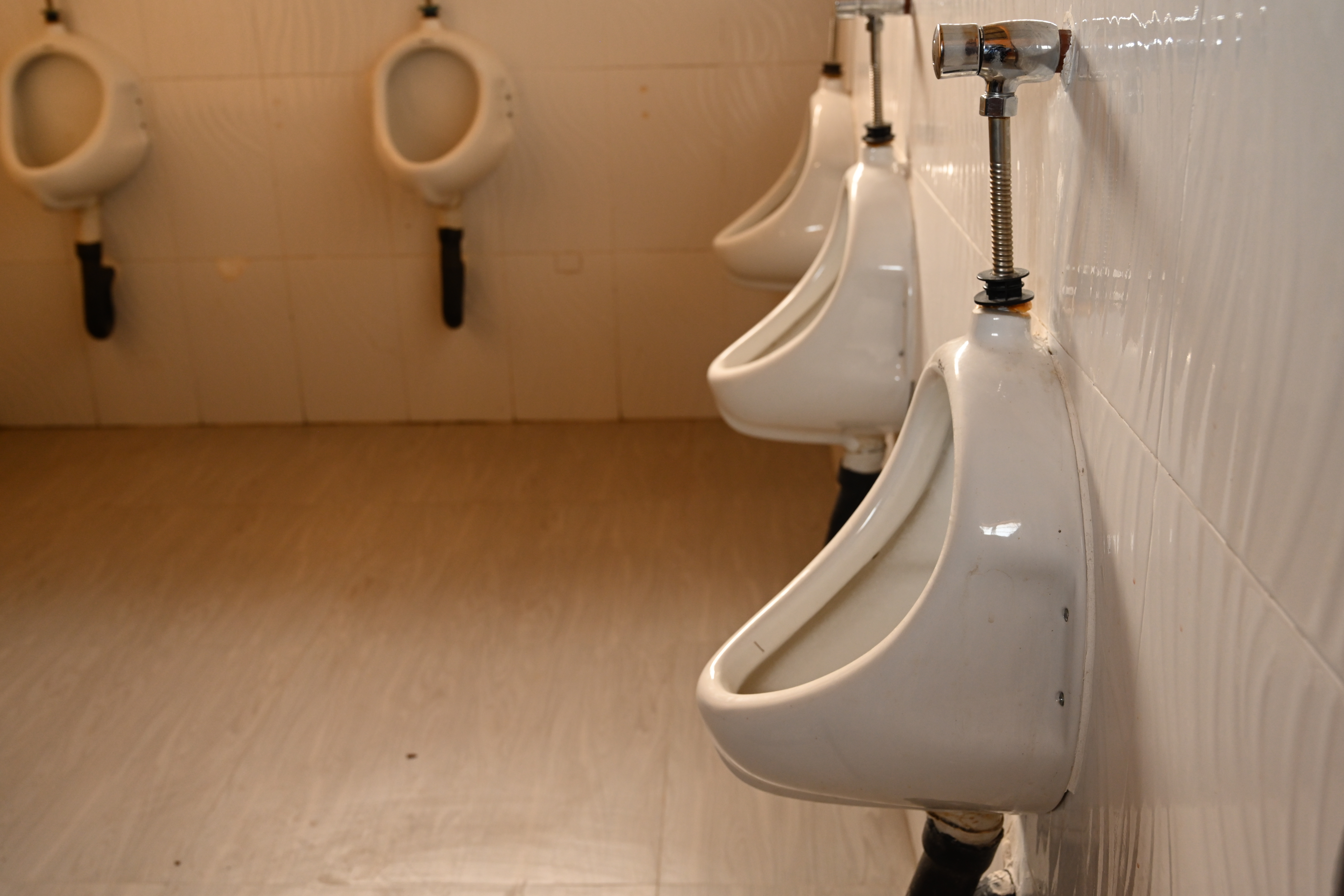
In Kasama and Mungwi Districts in Northern Province, access to safe water and sanitation has been a daily struggle for many families. Children used to spend hours fetching water. Schools have managed with unsafe and overcrowded toilets. Health facilities have faced risks that affect both patients and staff. These challenges have touched every part of daily life, especially for women and girls.
According to the 2024 Zambia Demographic and Health Survey, 32% of rural households lack access to basic water services, while 64% do not have adequate sanitation facilities, highlighting the urgency of such interventions.
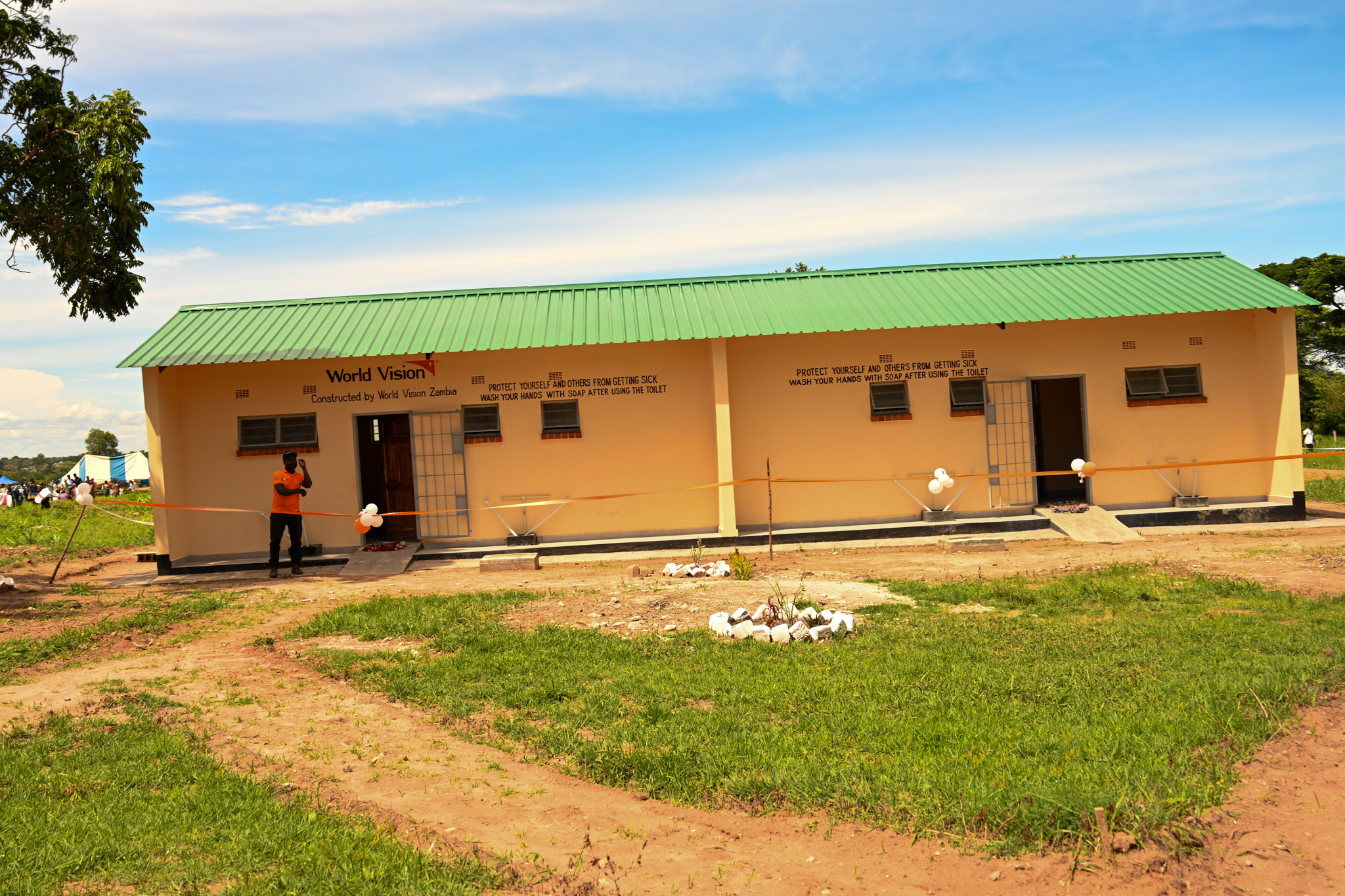
On 11 December 2025, World Vision Zambia officially handed over new water, sanitation, and hygiene infrastructure to communities in Kasama and Mungwi districts. The handover brought together traditional leaders, government officials, partners, teachers, and community members. It marked the end of construction and the start of community-led management of the facilities.
World Vision Zambia Integrated Programmes Director, Wezi Kaira, said the investment was about long-term change.
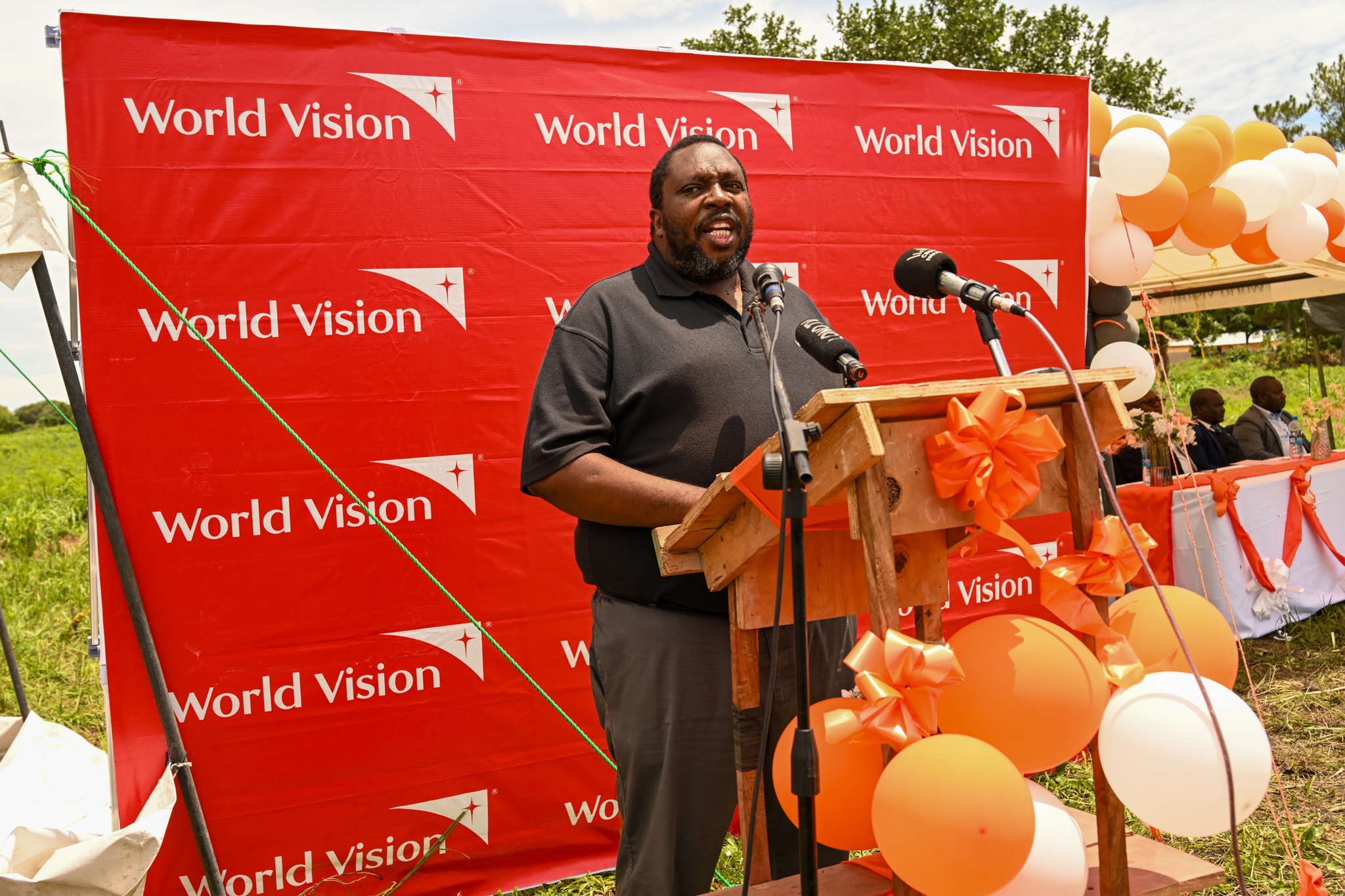
"WASH is not a charitable endeavour; it is a moral and economic imperative for national progress," says Mr. Kaira.
He explained that poor water and sanitation keep communities trapped in sickness, missed school days, and lost opportunities.
"When children have safe water and decent toilets, they have a better chance to learn, grow, and live with dignity," says Mr. Kaira.
The infrastructure was built during the 2024 and 2025 financial years at a cost of over K72 million. Through this work, 58,741 people in communities and 7,872 pupils in 17 schools now have improved access to safe water and sanitation. The facilities include 15 ablution blocks in schools, 39 mechanised water systems, 32 mini water systems, and 240 boreholes fitted with hand pumps. These services bring clean water closer to homes and reduce the risk of waterborne diseases.
Acting Permanent Secretary for Northern Province, Jordan Mwenya, welcomed the handover and highlighted the value of partnership.
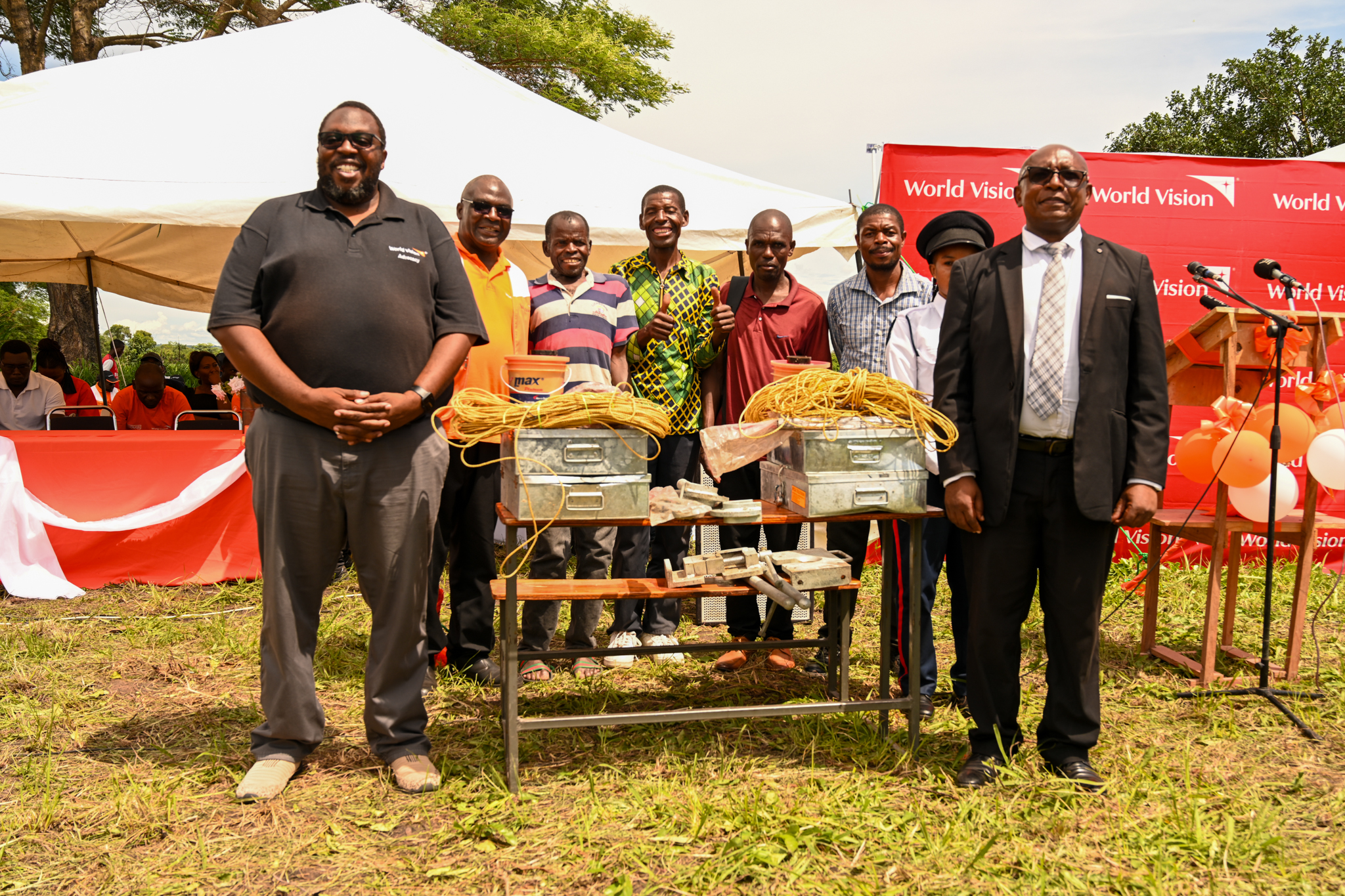
"This work shows what can be achieved when government, traditional leaders, partners, and communities work together," he said. "Safe water and sanitation are essential services, and investments like this support our efforts to improve health, education, and development across the province."
At Kanyanta Primary School, the impact is already clear. The Headteacher, Ms. Patricia Mubanga, shared how the new ablution block has changed daily life at the school.
"Before, our pupils struggled, especially the girls," Ms. Mubanga says. "Now they have clean and safe toilets. Attendance has improved, and learners are more comfortable staying in class throughout the day."
Traditional leaders, including Paramount Chief Chitimukulu and Senior Chief Mwamba, played an important role by mobilising communities and promoting good hygiene practices. Government departments and Chambeshi Water Supply provided technical guidance, while community members contributed labour and oversight.
As the facilities are handed over, the focus is now on sustainability.
"Ownership must go hand in hand with responsibility," Mr. Kaira says, pointing to the role of local WASH committees in maintaining systems and sharing hygiene messages.
For donors and the public, the work in Kasama shows real impact. Safe water and sanitation protect health, support learning, and restore dignity. With strong partnerships, these gains can last and reach even more children and families.