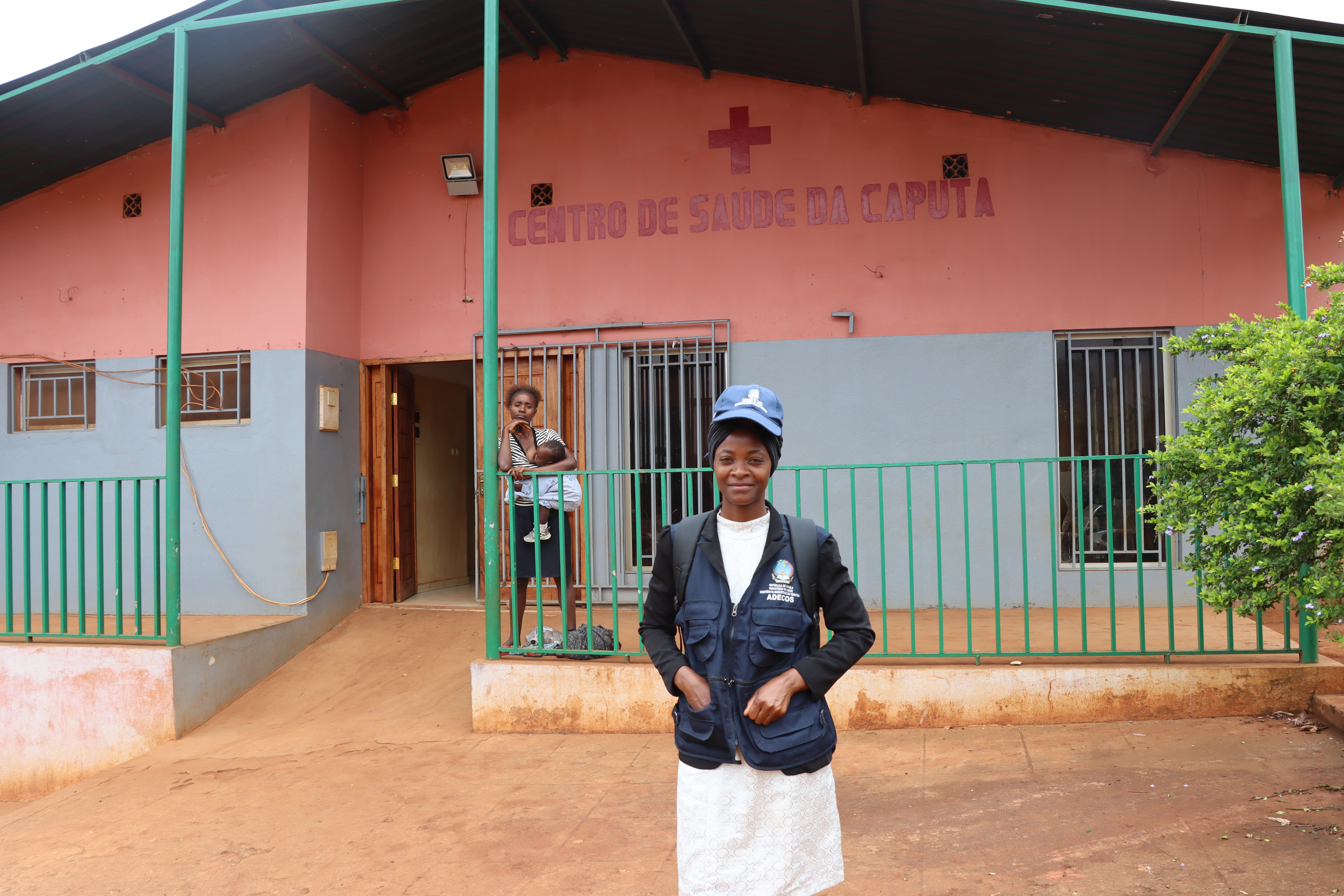
Luísa Manuel: An Agent of Hope in the Fight Against Malaria in Calembe

Luísa Manuel is a 30-year-old mother and a Community and Health Development Agent (ADECOS) in the Calembe neighbourhood, Gabela Municipality, Cuanza Sul Province. Like other ADECOS in her area, Luísa went through a rigorous community-based selection process and was chosen by the community itself to support families through preventive health actions and community follow-up.
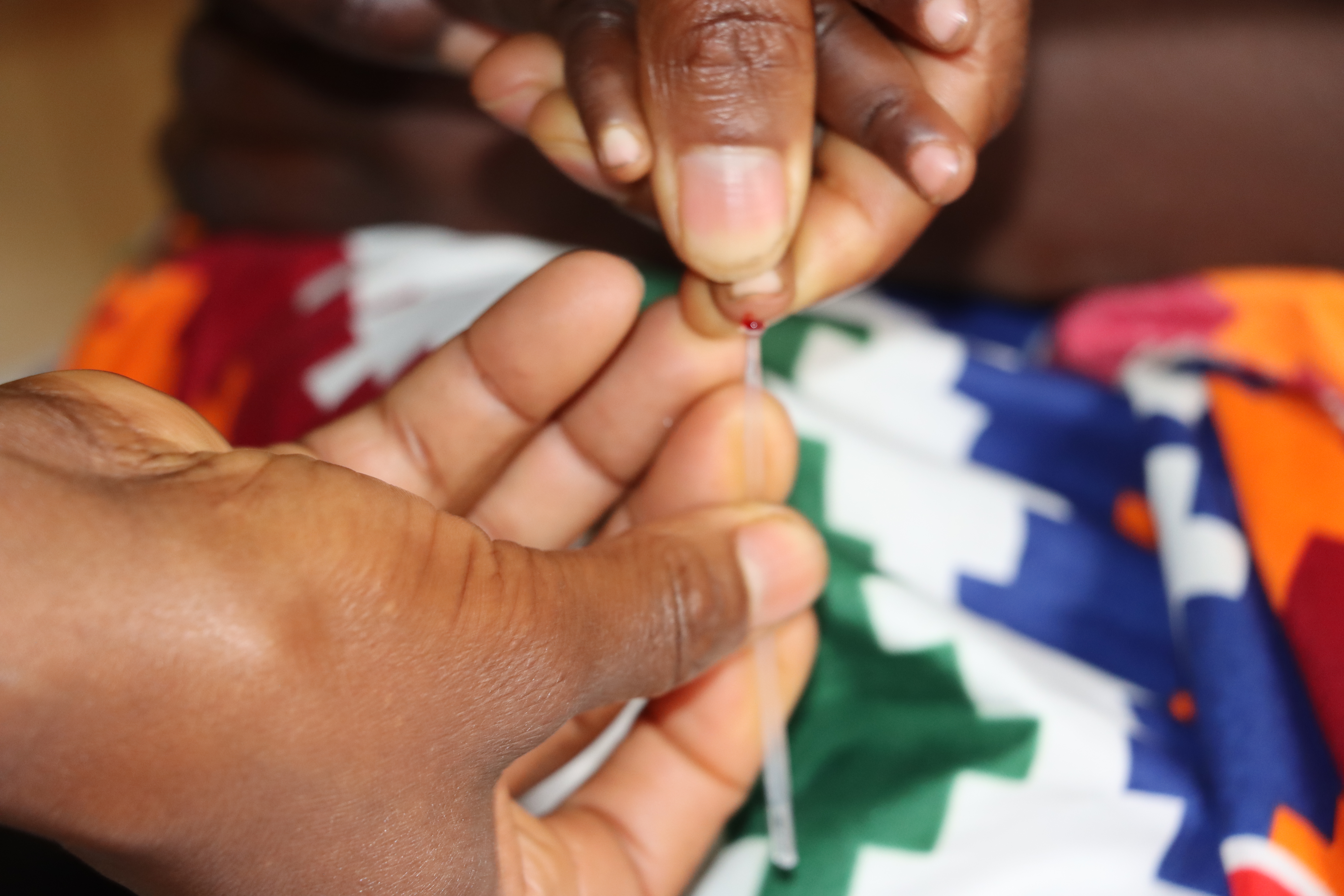
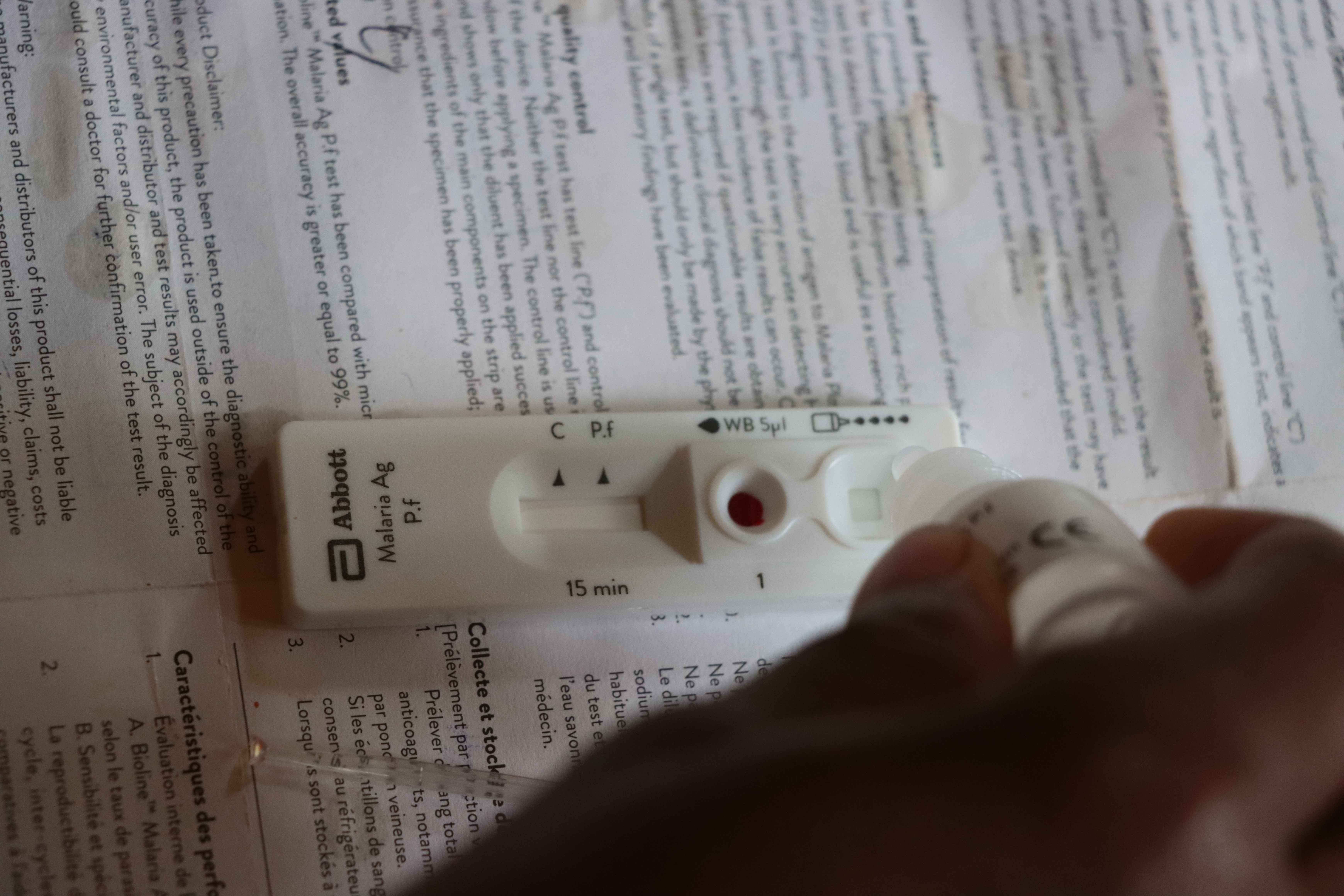
Since 2022, Luísa has been working as an ADECOS, playing a key role in the diagnosis of malaria cases, referral of severe cases to health facilities, treatment follow-up, and counselling families on prevention measures. For uncomplicated cases, Luísa and other ADECOS receive appropriate supplies that allow them to provide treatment at community level. They are also fully trained to correctly and promptly refer cases that require specialised medical care.
“I decided to become an ADECOS because I observed the work of other agents in their communities and saw the positive impact they were making. I liked what I saw and fell in love with this work. From the moment I applied until today, I have no regrets about the choice I made,” Luísa shares.
In addition to malaria in general, Luísa pays special attention to pregnant women, reinforcing messages on malaria prevention, proper use of mosquito nets, and the importance of maintaining regular antenatal visits at health facilities.
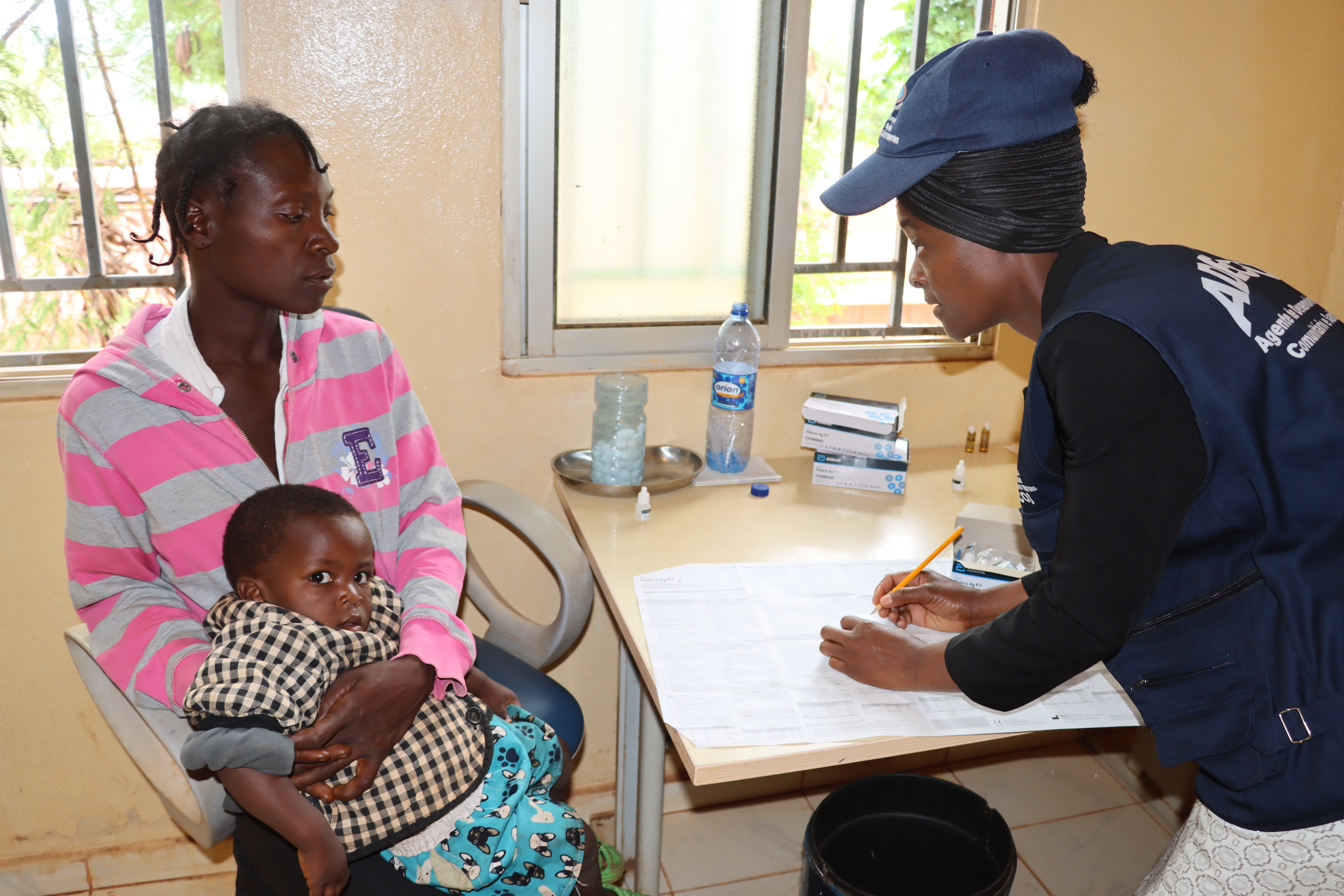
According to Luísa, the Calembe community has shown strong collaboration, although malaria cases remain high. On average, she diagnoses between four and five cases per week, a situation that tends to worsen during the rainy season, when challenges related to basic sanitation increase.
In this context, community awareness-raising has become one of the main pillars of her work. Luísa educates families on proper household cleanliness, the elimination of stagnant water, and correct waste management. Periodically, ADECOS mobilise families to participate in mass clean-up campaigns, contributing to improved sanitation and environmental health in the community.
Bridging the Community and the Health Facility
The Caputa Health Centre is the closest health facility to the Calembe community, and Luísa is currently the only ADECOS responsible for referrals and for serving as a direct link between the community and the health centre. Whenever she identifies severe malaria cases, Luísa completes referral forms to ensure patients arrive at the health facility with the necessary information for appropriate care.
The presence of the ADECOS has represented a significant gain for the health centre. Supplies such as malaria rapid diagnostic tests, hand sanitiser, gloves, and medicines are reinforced and stored under appropriate conditions at the health facility, later reaching the community through the work of the ADECOS.
Despite the progress achieved, challenges remain. “There are times when supplies are not available at the health facility, and when shortages occur, community collaboration tends to decrease. Another challenge is the preservation of referral forms. Many community members lose their cards or do not present them at the health centre, which makes the counter-referral process difficult,” Luísa explains.
Even in these situations, Luísa continues to follow up with patients, ensuring treatment adherence despite limitations in formal record-keeping.
A Mission That Transforms Lives
For Luísa, being an ADECOS goes beyond the knowledge gained or the allowance received. It is a deep commitment to the well-being of her community.
“Treating uncomplicated malaria at community level helps reduce congestion at the health centre and spares families from long journeys,” she notes.
“Being an ADECOS has been a blessing. Before, I did not know many things; today I have more knowledge and I share it with my community, especially about preventing one of the diseases that causes the most deaths in Angola. Simply teaching someone how to correctly hang a mosquito net can save lives and change the reality of a community,” she adds.
With hope and determination, Luísa reaffirms her commitment: “We will continue to work and support our communities, which are also our families, until one day we achieve the goal of Zero Malaria in our community.”