
Ministry of Gender, Youth and Social Development and World Vision Lesotho Launch Economic Inclusion Programme to Empower 5,000 Vulnerable Households

By Reentseng Phephetho , Communications and Digital Officer, Lesotho
The Ministry of Gender, Youth and Social Development (MGYSD), in partnership with World Vision International Lesotho, has officially launched the Economic Inclusion Programme (EIP) Lot II, a transformative initiative under the Ministry's Pathways to Sustainable Livelihoods Project funded by the World Bank in Thaba- Tseka district.
The two-year programme will be implemented across five Community Councils in Lesotho and is expected to benefit more than 5,000 vulnerable individuals through a range of economic empowerment interventions designed to strengthen livelihoods, promote entrepreneurship, and build resilient communities.
The programme places a strong emphasis on inclusion, targeting at least 50 percent women, 40 percent youth, and ensuring the deliberate participation of persons with disabilities. The initiative is anchored in a shared vision of a Lesotho where vulnerable households are not merely supported but empowered to thrive, participate meaningfully in the economy, and build sustainable futures for themselves and their families.
Lesotho continues to face significant socio-economic challenges, including high levels of poverty and vulnerability, particularly in rural communities. Many households have limited access to productive assets, financial services, and income-generating opportunities. Women often encounter structural barriers to markets, finance, and decision-making, while young people face limited employment opportunities despite representing a significant portion of the country's population.
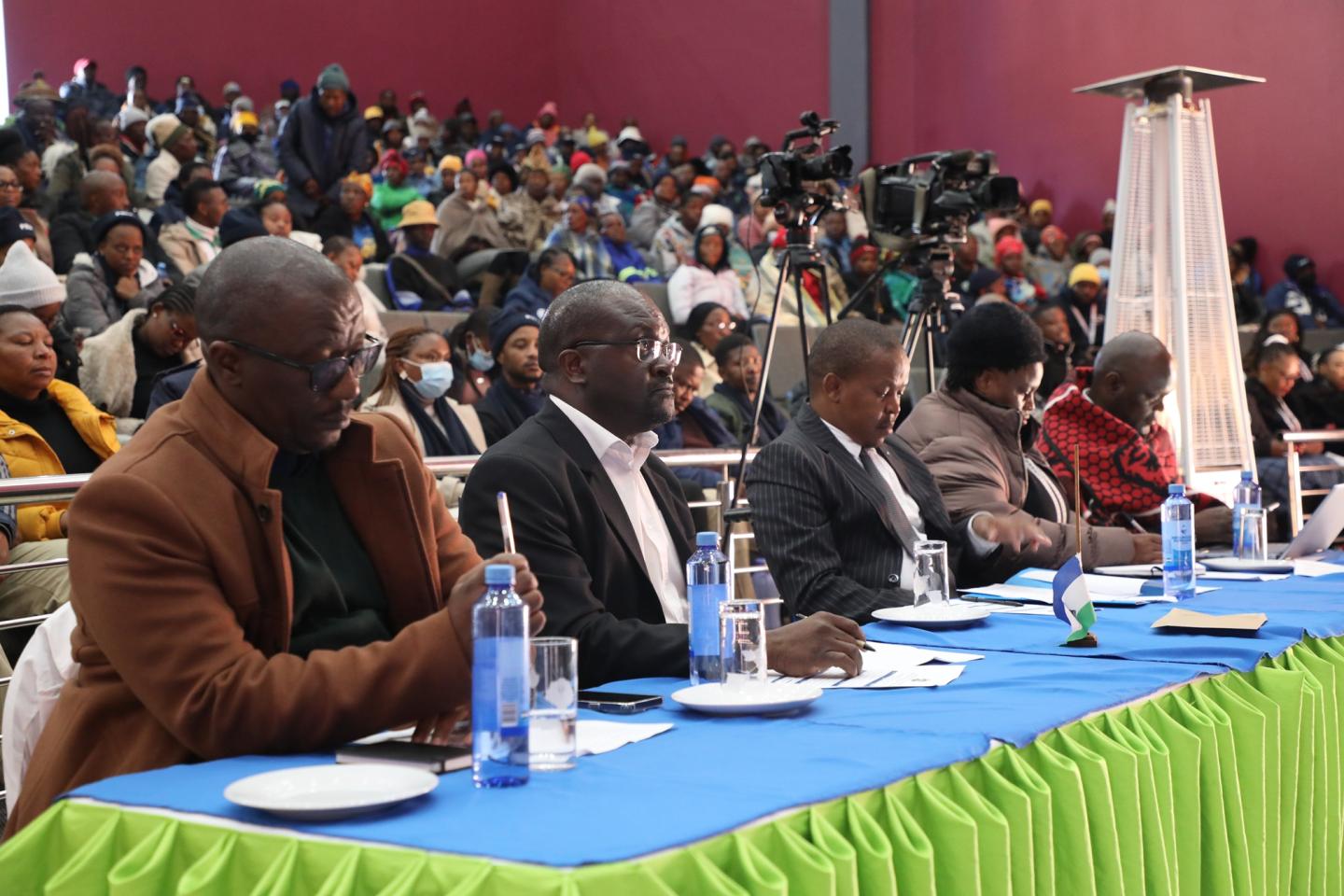
Representatives from Catholic Relief Services, World Vision Lesotho, the Ministry of Gender, Youth and Social Development and the World Bank during the launch of the Economic Inclusion Programme (EIP) Lot II in Thaba Tseka.
According to the World Bank's Youth Aspirations Survey, young people account for nearly 40 percent of Lesotho's population. However, youth unemployment remains a major challenge, with approximately 24 percent of young people aged 15–24 unemployed in 2024, highlighting the urgent need for sustainable livelihood and entrepreneurship opportunities.
The Economic Inclusion Programme responds directly to these challenges by combining social protection with economic empowerment. Building on existing government systems, including the National Information System for Social Assistance (NISSA) and social assistance programmes, the initiative aims to support vulnerable households on a pathway from dependency towards productivity and self-reliance.
The programme adopts the globally recognized Ultra-Poor Graduation Approach, which has been adapted to Lesotho's context. The approach integrates several key components, including Personal Initiative training to foster entrepreneurial mindsets, Savings for Transformation (S4T) to strengthen financial resilience, productive asset support to stimulate income generation, coaching and mentoring for sustained guidance, market linkages to enhance business viability, and entrepreneurship development to support long-term economic growth.
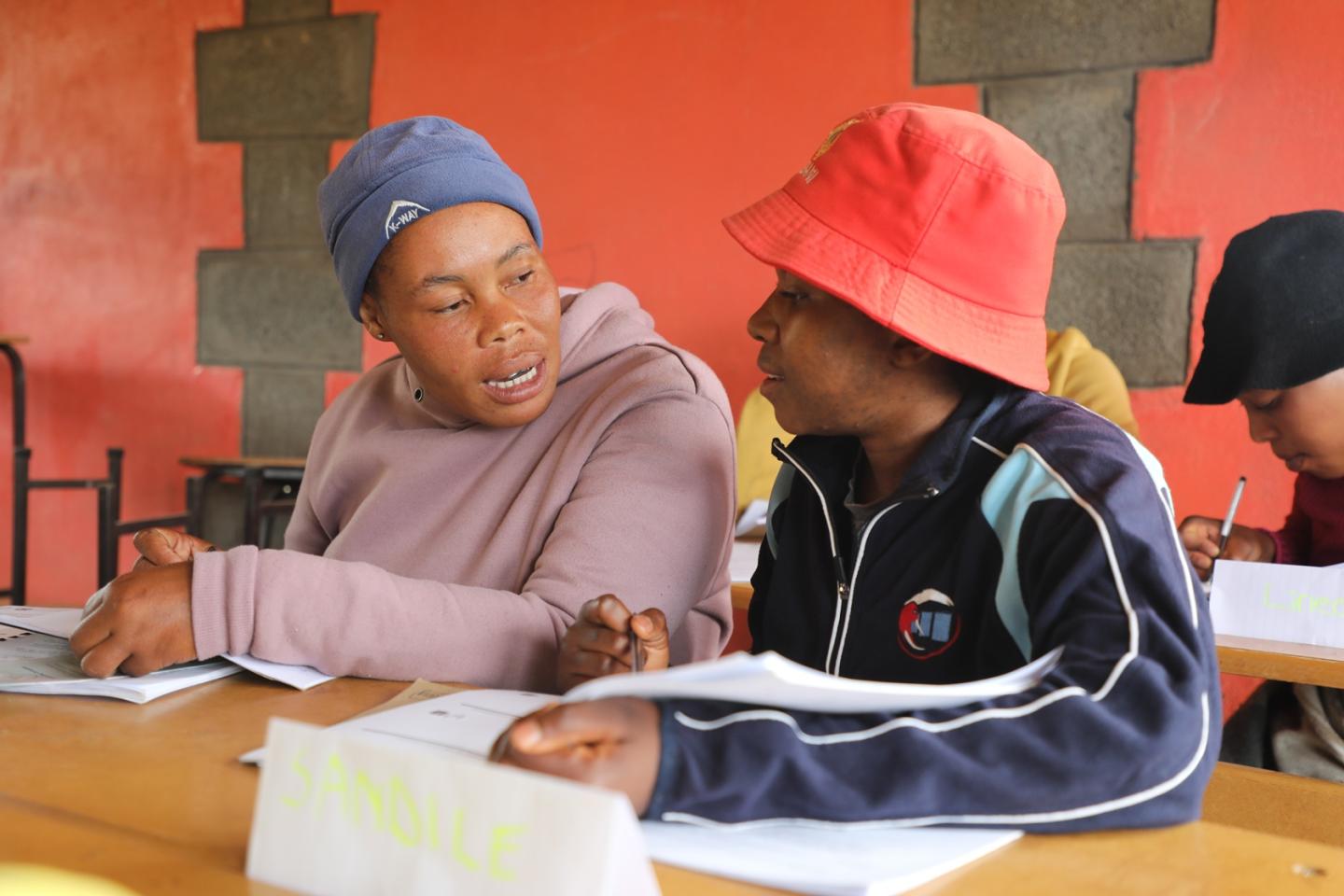
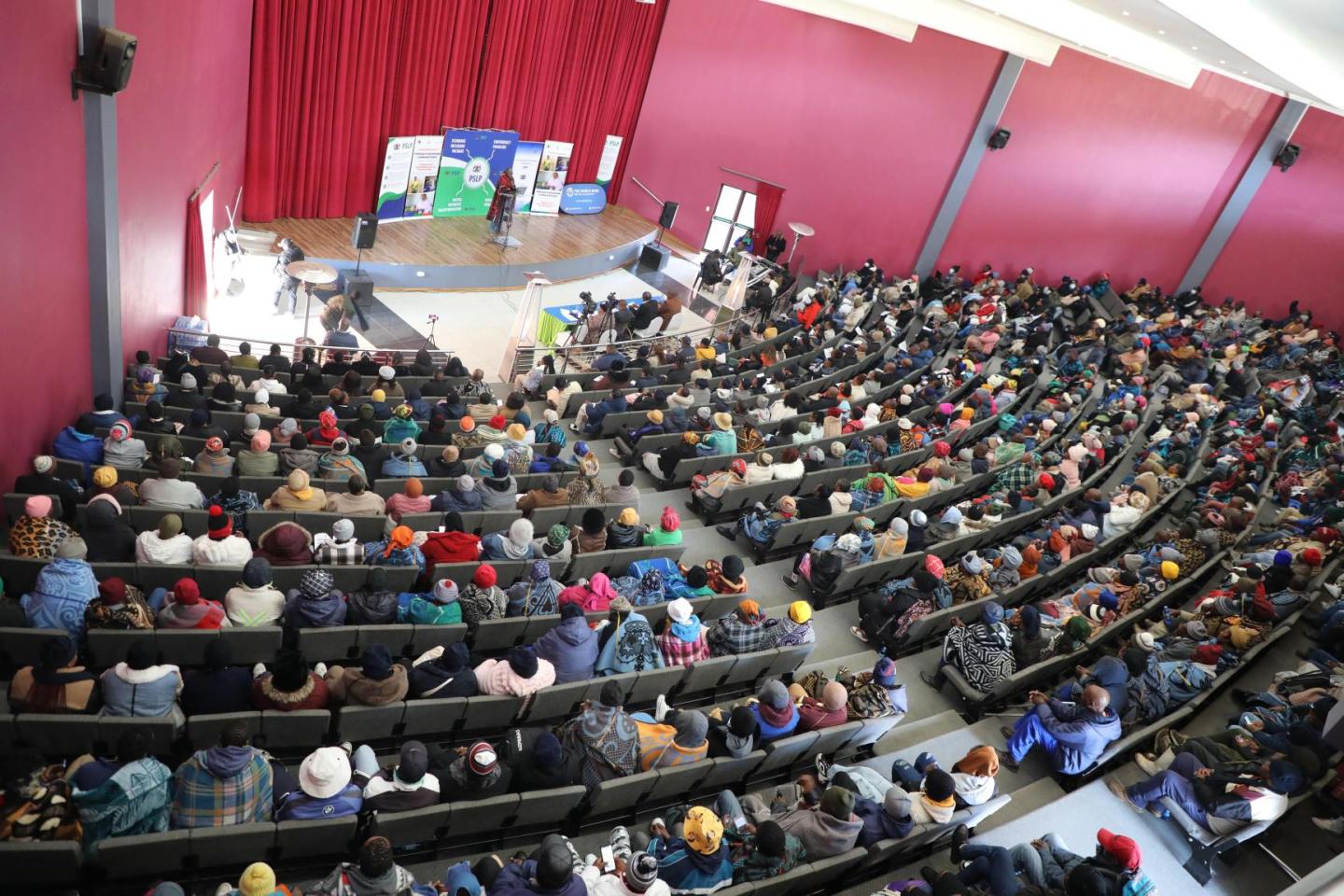
Program beneficiaries during the training sessions designed to strengthen their entrepreneurial skills and prepare them for sustainable income-generating activities.
As part of the programme's implementation, World Vision Lesotho has already trained the 5,000 selected beneficiaries in Personal Initiative, Savings for Transformation, nutrition, agribusiness, and entrepreneurship. Beneficiaries have developed business plans and acquired financial literacy skills necessary to manage and grow sustainable enterprises.
The next phase of the programme will see the disbursement of grants valued at M5,400 per beneficiary through the Ministry of Gender, Youth and Social Development. The grants will be linked to approved business plans to ensure compliance with programme requirements and maximize the potential for sustainable income generation.
Speaking during the launch, programme beneficiary Mookhoane Sekoboto shared how the initiative has renewed her hope for a better future.
"When I first heard about this project, I could hardly believe it was real. Through the trainings, I learned that this programme is truly designed to transform our lives. I am now confident that I have the knowledge and skills to start my own business and improve the wellbeing of my family," she said.
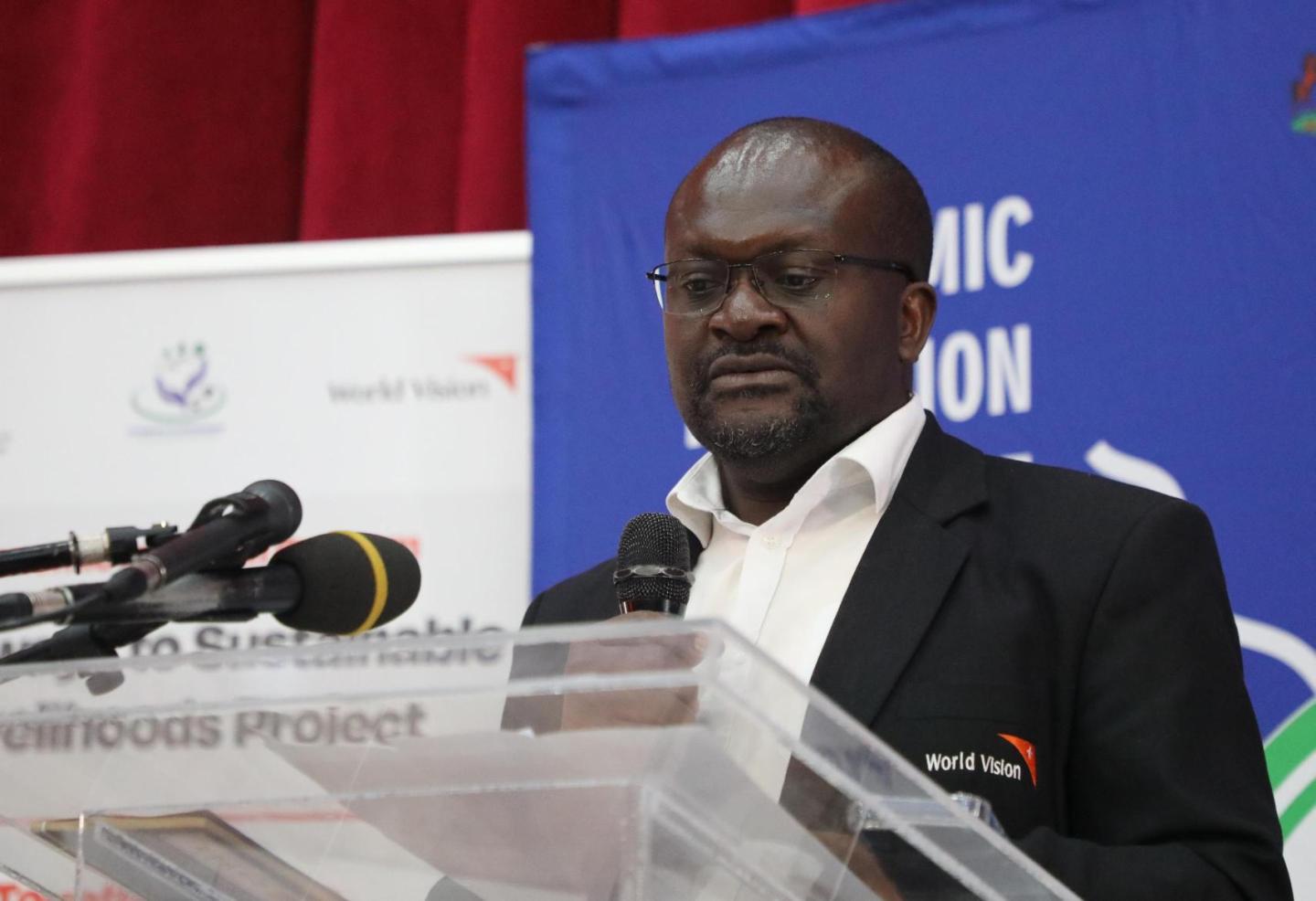
Mr. James Chifwelu, National Director of World Vision International Lesotho, delivers remarks during the official launch of the Economic Inclusion Programme (EIP) Lot II.
World Vision Lesotho National Director, James Chifwelu, described the programme as a critical investment in the future of Basotho communities.
"This project represents a transformative agenda that will help reduce dependency and promote an entrepreneurial mindset among our communities. We encourage beneficiaries to utilize these resources responsibly and invest them in the businesses they have committed to establish," he said.
Representing the World Bank, Mrs. Mafupu reaffirmed the institution's commitment to supporting government-led initiatives aimed at reducing poverty and improving livelihoods.
"The World Bank's mission is to end poverty by supporting development initiatives around the world. Through the Pathways to Sustainable Livelihoods Project, we are supporting the Government of Lesotho in creating opportunities for vulnerable households to improve their economic wellbeing. We are encouraged by the progress made so far and urge beneficiaries to use the grants for their intended purpose," she said.
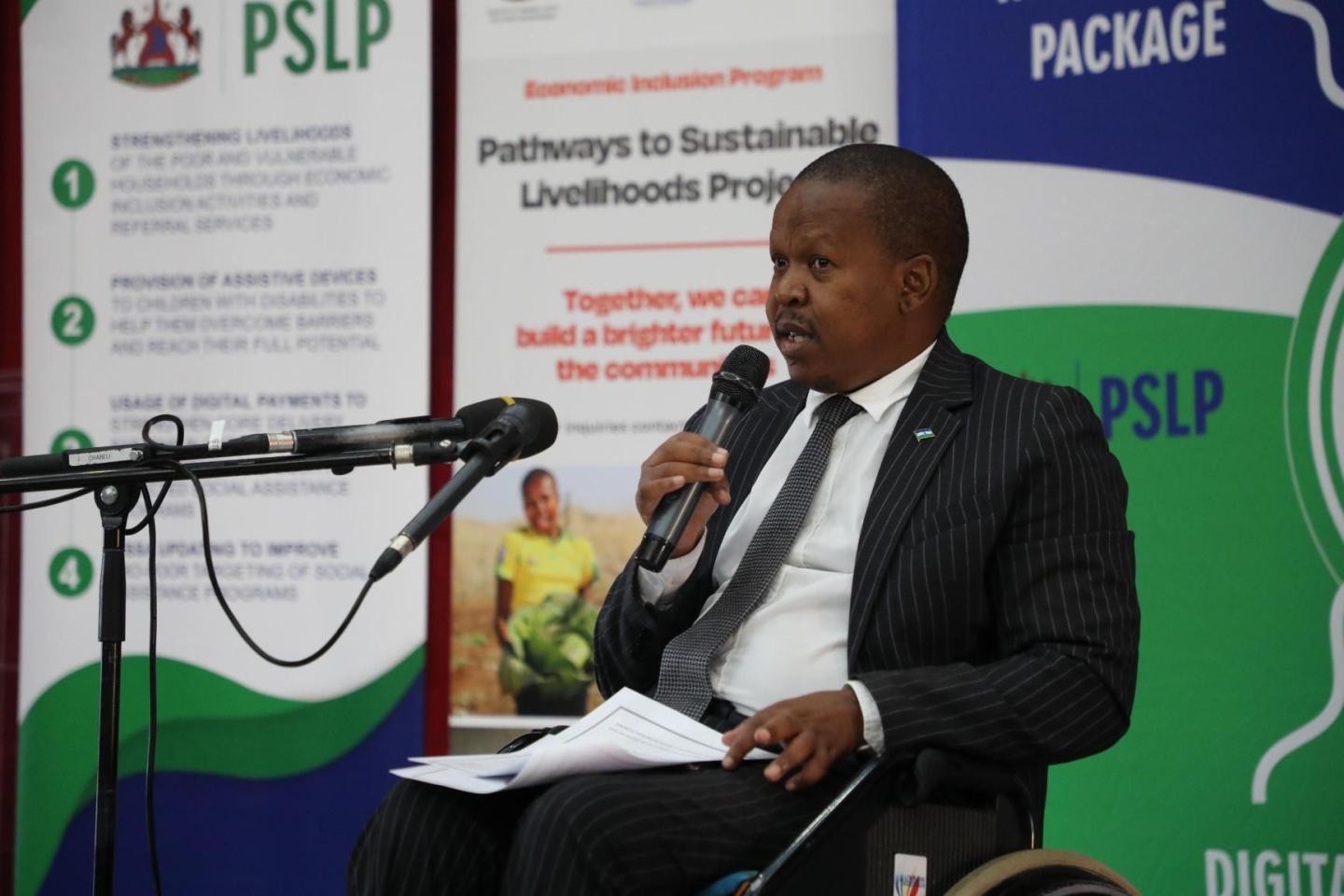
Minister of Gender, Youth and Social Development, Honourable Lesaoana Pitso, delivers his remarks during the official launch of the Economic Inclusion Programme (EIP) Lot II
Officially launching the programme, the Minister of Gender, Youth and Social Development, Honourable Lesaoana Pitso, emphasized the importance of empowering women and young people as a strategy for reducing poverty and inequality.
"This programme seeks to empower vulnerable women and youth with the skills, knowledge, and resources they need to create employment opportunities for themselves and others. By doing so, we can close existing socio-economic gaps and contribute to a more prosperous Lesotho. We commend World Vision for its partnership and dedication to improving the lives of Basotho communities," he said.
The Economic Inclusion Programme is expected to contribute significantly to poverty reduction, increased household incomes, improved food security, and strengthened resilience among vulnerable populations, while advancing Lesotho's broader development agenda of inclusive and sustainable economic growth.