
Children Take Centre Stage in Mozambique’s Fight Against Malnutrition

Standing before government leader, development partners, researchers and the private sectors, children from Mozambique’s northern province of Nampula defended greater investments in programmes that will accelerate the country's fight against malnutrition, which currently stands at 37 per cent nationwide, according to the Technical Secretariat for Food and Nutrition (SETSAN).
Their call comes at a critical time, when Nampula province bears the country’s highest burden of chronic malnutrition, with almost one in every two children affected. In this context, children used the Second International Conference on Nutrition and Agribusiness not only to highlight the challenges they face but also to present practical solutions to accelerate progress.
Speaking during the conference’s opening ceremony, 14-year-old Cheinise, Secretary of the Children’s Parliament in Nampula City, challenged decision-makers to match their commitments with action.
"Children did not come only to present problems but also solutions. Increase investments by the Government and its partners in nutrition programmes, ensuring that commitments made are transformed into concrete actions," she said.
Addressing senior government officials, including the Governor of Nampula Province, SETSAN representative, the Confederation of Economic Associations of Mozambique, the National Union of Farmers, United Nations agencies, development partners and other stakeholders across the country's food systems, Cheinise presented five priorities identified by children, in particular:
Ensure the meaningful participation of children in decision-making spaces related to nutrition, school feeding, and child well-being.
Ensure that school meals use nutritious local products while supporting small-scale farmers and producers within communities.
Strengthen nutrition education in schools and communities so that children, parents, and caregivers can make healthier food choices.
Increase investments by the Government and its partners in nutrition programmes, ensuring that commitments made are translated into concrete actions.
Expand school feeding programmes so that more children have access to nutritious and healthy meals at school."
More than a platform to share their concerns, the conference provided children with an opportunity to influence discussions on policies and investments that directly affect their lives.
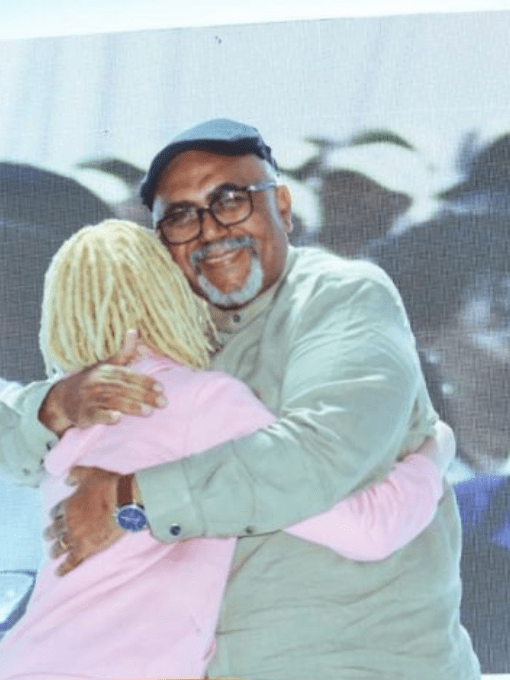
"Over the past few months, I have been delighted to witness children being given space in government discussions and meetings. Hundreds of children participated in Nutrition Dialogues held in different districts across the country, as well as in other initiatives aimed at promoting discussions on child nutrition while actively involving children. Through these meetings, we had the opportunity to speak about the challenges we face and the solutions we believe can improve our nutrition, health, and education," said the young advocate.
World Vision Mozambique was among the organisations supporting the conference and promoting meaningful child participation, enabling children to contribute directly to high-level discussions on nutrition.
The event brought together government, academia, civil society, development partners and the private sector, resulting in a shared one-year commitment to:
Fund scientific research on chronic malnutrition in partnership with public and private universities in the province;
Expand school orchards and vegetable gardens to all districts and schools across the province;
Develop awareness-raising mechanisms tailored to the sociocultural realities of rural communities;
Plan and coordinate malnutrition prevention and response actions in an integrated manner, involving Government, the Private Sector, Civil Society, Universities, Cooperation Partners, and Community Leaders;
Implement realistic programmes aligned with the province’s financial capacity, prioritizing tangible results on the ground.
Held under the theme “From Commitments to Impact – Accelerating the Transformation of Food Systems in the Province”, the conference reaffirmed that lasting progress depends on stronger partnerships, sustained investment and the active participation of children.