
Mozambique: School Feeding is Reshaping Local Markets, Turning Small Producers Into Key Suppliers

The United States Department of Agriculture-funded School feeding program is reshaping local markets in Mozambique by enabling farmers' associations to participate in the value chain that supplies food to meet children's daily school consumption needs.
Through the Local and Regional Procurement (LRP), World Vision purchases fresh vegetables from farmers' associations to complement the US-imported commodities (rice, lentils, and oil) that comprise the school meals menu.
With this window of opportunity, the once-fragmented subsistence farmers are forming legal associations, developing entrepreneurial skills, and adopting sustainable, eco-friendly practices.
The expansion of the school feeding program from Nampula province to Zambezia, following its successful implementation in the districts of Muecate and Nacarôa, came at the right time for Mr. Fadueke and the members of the Matage farmers association.
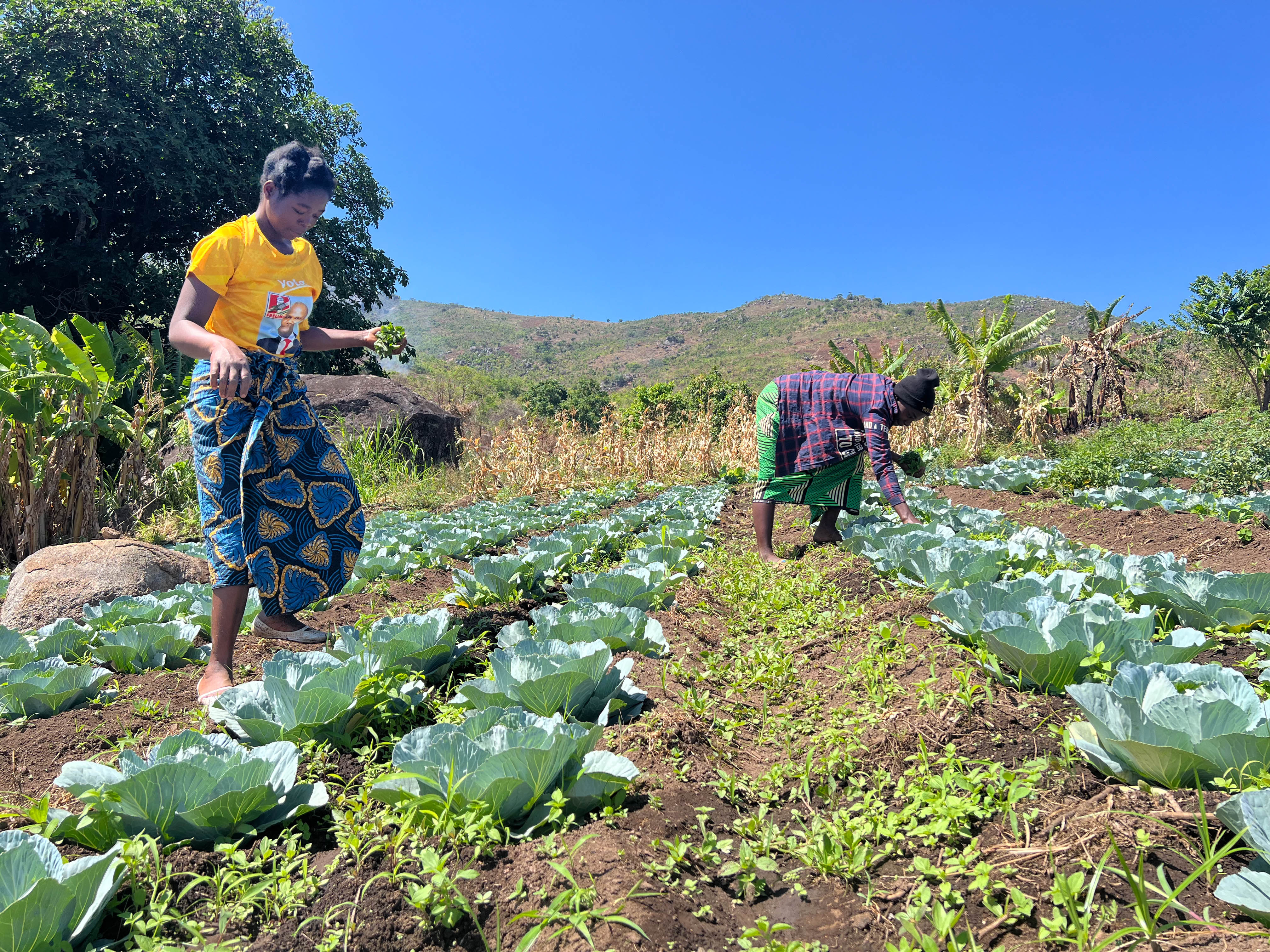
Most members relied on charcoal production and seasonal crop cultivation to support their households, but their output was limited for market sales.
As of January 2025, World Vision, through the Partnering for Sustainable Education Outcomes (PARES) project, united the members into a single front and equipped them with tools, seeds, and a water pump to increase productivity.
“We received training and inputs like seeds to improve how we grow our vegetables by adopting good management of water and the use of organic fertilizers”, explained Fadueke.
The association cultivates vegetables such as cabbage, kale, onions, tomatoes, and carrots on a mountain slope. Irrigation is ensured by spring water that flows quietly, almost unnoticed, until it reaches the valley with force, where it joins the Meloza River, one of the natural borders between Mozambique and Malawi.
In addition to selling vegetables through LRP, the association donates 30% of its harvest to meet increased demand for school meals.
“We are seeing our children attending school more frequently, all because of the introduction of school meals”, Fadueke recognized.
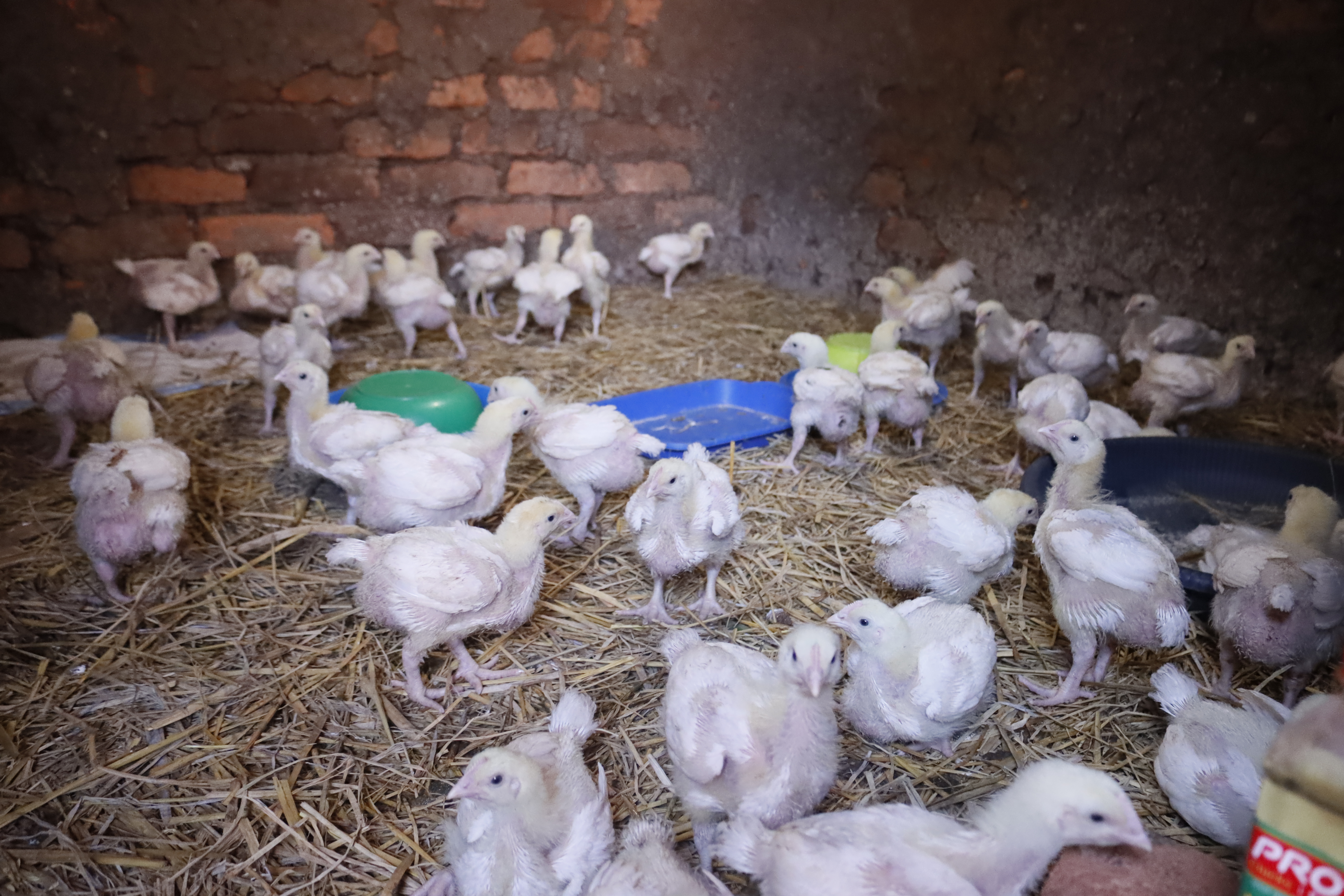
Recently, the association ventured into chicken breeding to increase revenue and as an alternative to more affordable fertilizers.
“We have started breeding chickens to use the manure on the farm. The fertilizers are expensive, so we use the manure as an alternative”.
Through the PARES project, World Vision has legalized 55 farmers' associations, which enable them to secure business and investment opportunities even after the project is phased out. The five-year program is worth 35 million USD, funded by the McGovern-Dole International Food for Education and Child Nutrition Program of the United States Department of Agriculture (USDA), and 10% of the budget is invested in supporting local farmers through LRP commodities.