
New Integrated Support Centre in Monapo Strengthens Protection for Girls

As part of the “Every Girl Can” project, World Vision Mozambique, in partnership with the Government of Nampula Province, has inaugurated the Integrated Support Centre (CAI) for Survivors of Violence, funded by Global Affairs Canada. This new facility marks a decisive milestone in the protection of girls and women by bringing together, in a single location, essential security, health, and justice services.
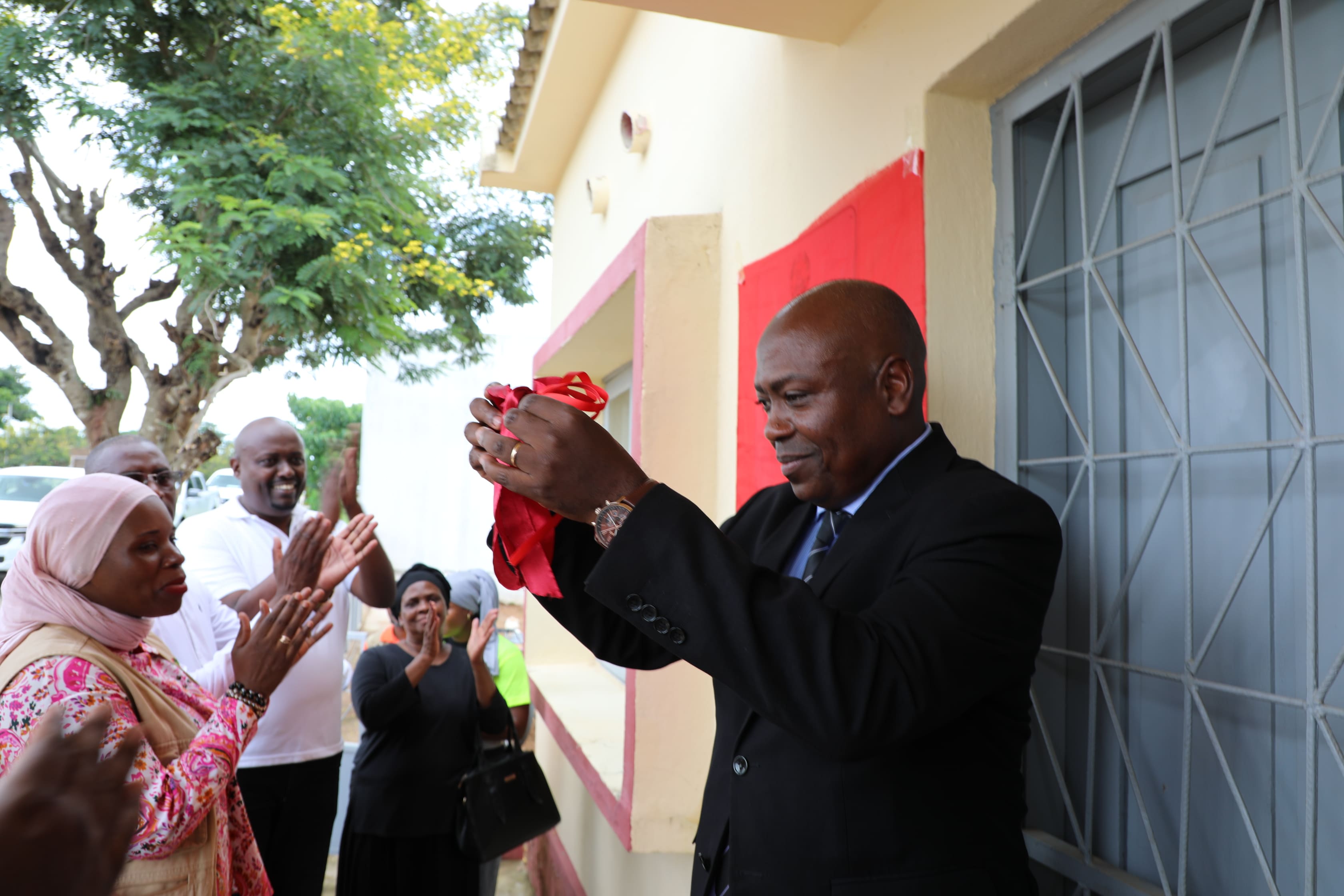
The opening of the CAI in Monapo comes at a particularly critical time for Nampula Province. In 2025, indicators revealed an alarming situation, where around 56% of girls were living in early marriages, while reported cases of sexual violence rose significantly. Prior to the establishment of this Centre, only five of the province’s 23 districts, home to approximately 6.7 million people, had access to a fully integrated response. By centralising services, World Vision helps prevent revictimisation, ensure that justice prevails over informal settlements, and break the cycle of violence in a meaningful and sustained manner.
At the new Centre, the Mozambican Police Service, the National Criminal Investigation Service, the Public Prosecutor’s Office, medical services, and psycho-social support providers will now operate in a coordinated manner, eliminating the need for survivors to navigate multiple institutions.
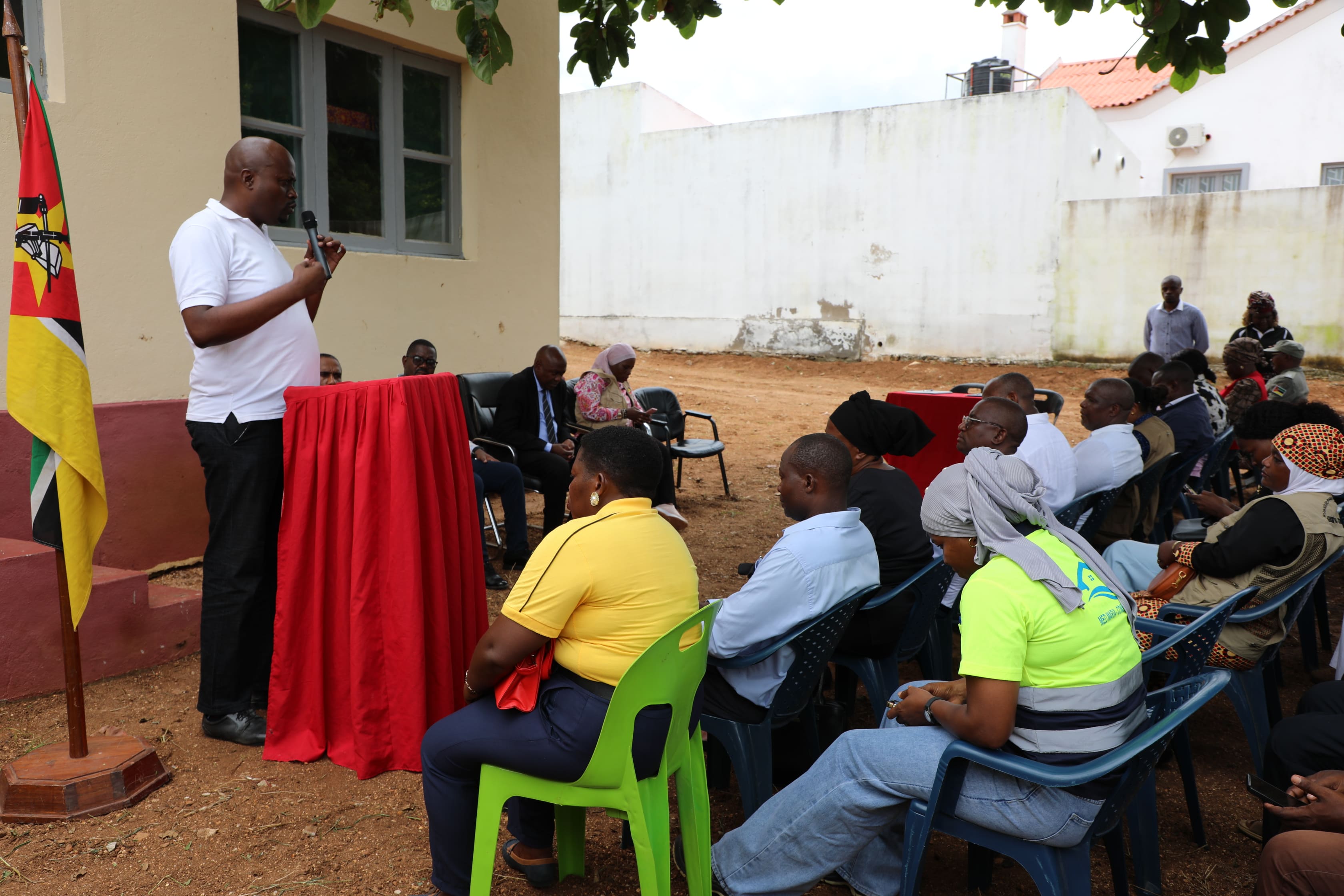
According to Project Manager José Macaringue, this integrated approach significantly reduces revictimisation and speeds up access to justice. He noted that “it is well established that fragmented services lead to the revictimisation of survivors, and that laying down a centre such as this ensures that all institutions involved operate within the same physical space.”
The Director of the Governor’s Office of Nampula, Calquer Nuno de Albuquerque, underscored the importance of the CAI in combating impunity, reminding participants that crimes such as rape are public crimes and must be handled exclusively by the competent legal authorities, with appropriate conditions for evidence collection and proper case handling. He further stressed that “there can be no real progress where fear, discrimination or silence imposed by violence persist. Reporting violence is not creating conflict; it is protecting lives, protecting families, and safeguarding the future. It is an act of responsibility and courage.”
This institutional progress builds upon the broader successes already witnessed across the region. Significant impacts of the EGC project in Nampula include turning quiet and shy girls into influential leaders who challenge harmful social norms, successfully shifting the mindset of elders and inspiring a new generation of youth to advocate for children's rights. The initiative has further transformed schools into safe spaces, preventing dropouts by breaking the silence around menstruation and abuse through practical solutions like reusable sanitary pads and the enforcement of legal accountability for gender-based violence. Furthermore, by providing mentorship and financial literacy training, the project is empowering at-risk girls to reject early marriage, repair broken family relationships, and achieve self-sufficiency by launching their own businesses in traditionally male-dominated trades.
The government representative also issued a clear reminder regarding the legality of such cases, emphasising that “public and semi-public crimes cannot be negotiated and must be addressed strictly within the framework of the law.”
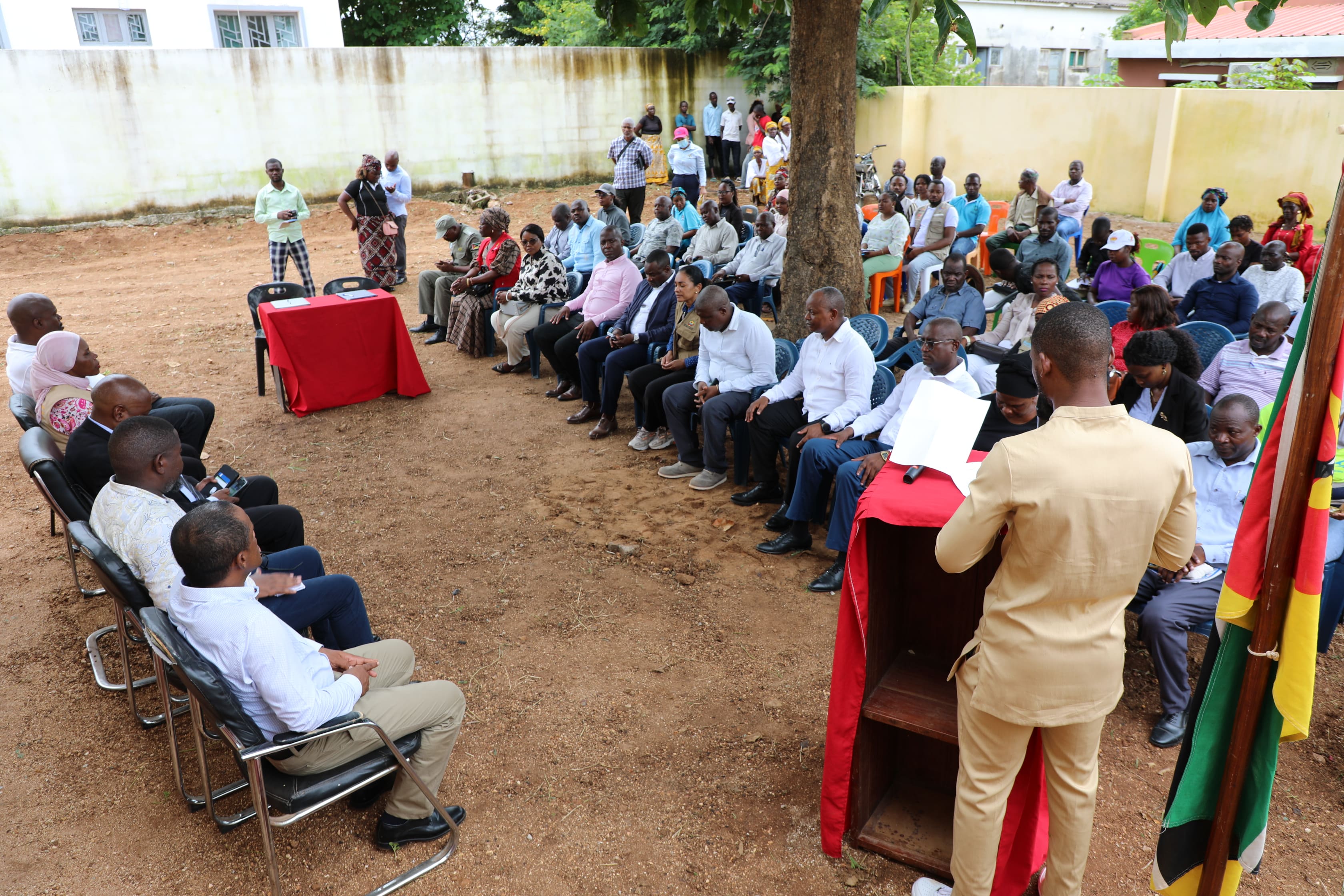
With the opening of this Centre, Monapo joins the small group of five districts in the province with the capacity to provide an integrated response to gender-based violence. The new CAI not only strengthens protection for survivors but also represents a concrete commitment to building safer communities in which girls and women can fully exercise their rights and live free from fear and violence.