
Protecting Young Lives: Mozambique’s Renewed Fight Against Malaria

In Tete Province, malaria continues to have a painfully familiar face: children under the age of five. They account for the majority of malaria-related deaths. This reality underscores not only the severity of the disease but also the urgent need for a collective, sustained response to protect children.
Over the years, the health sector, the Provincial Government, districts, development partners, the private sector, and communities have waged a persistent fight against malaria, particularly during the rainy season. This fight occurs not only in hospitals and health centers but also in homes, schools, churches, and community gatherings. It is a battle that requires prevention, information, behavior change, and strong leadership at all levels.
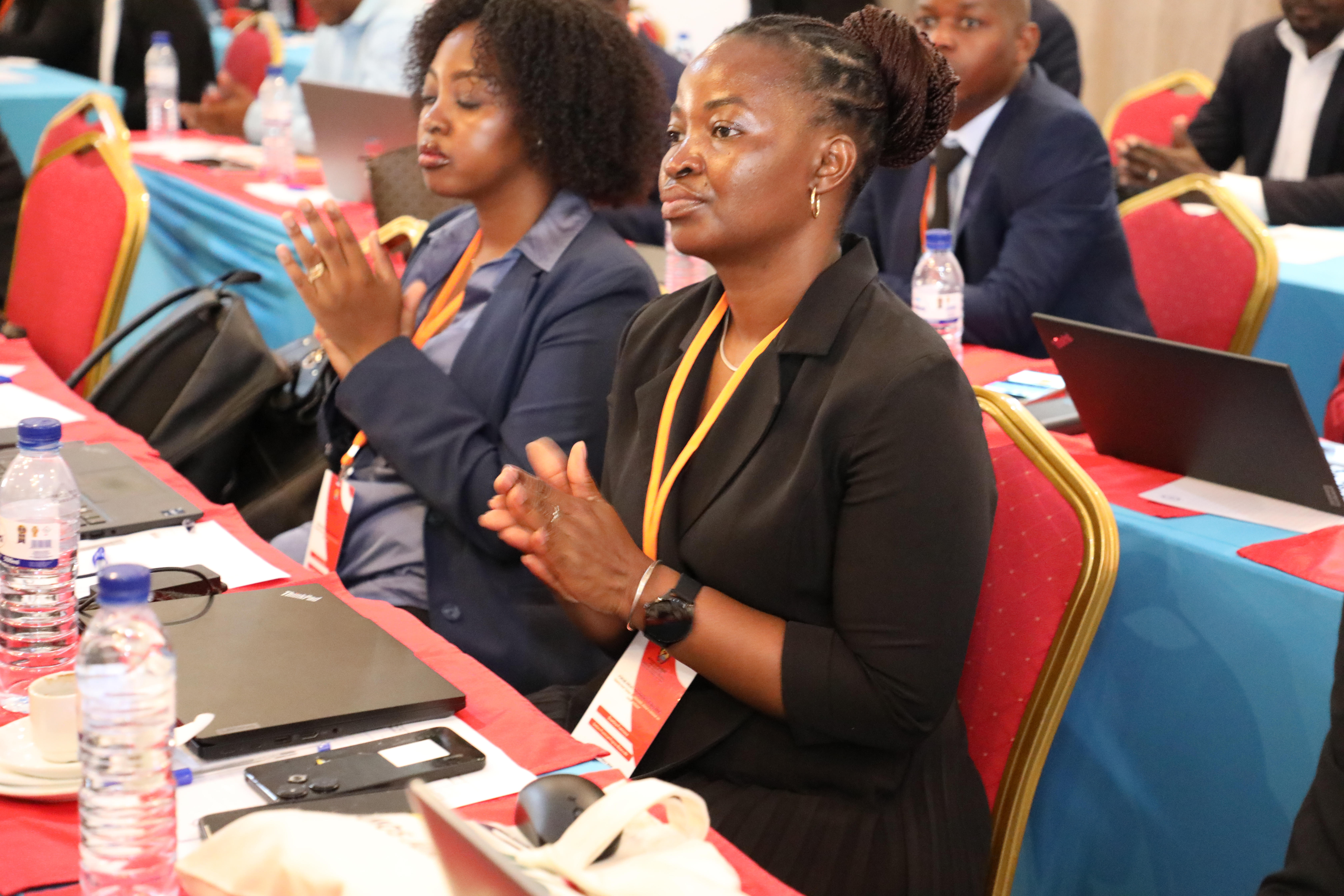
It was within this context that, in January 2026, Tete City hosted the Annual Provincial Malaria Forum under the theme Malaria out: time to reinvest, innovate, and renew commitments. The forum marked a moment of deep reflection and renewed responsibility in the collective effort to combat malaria.
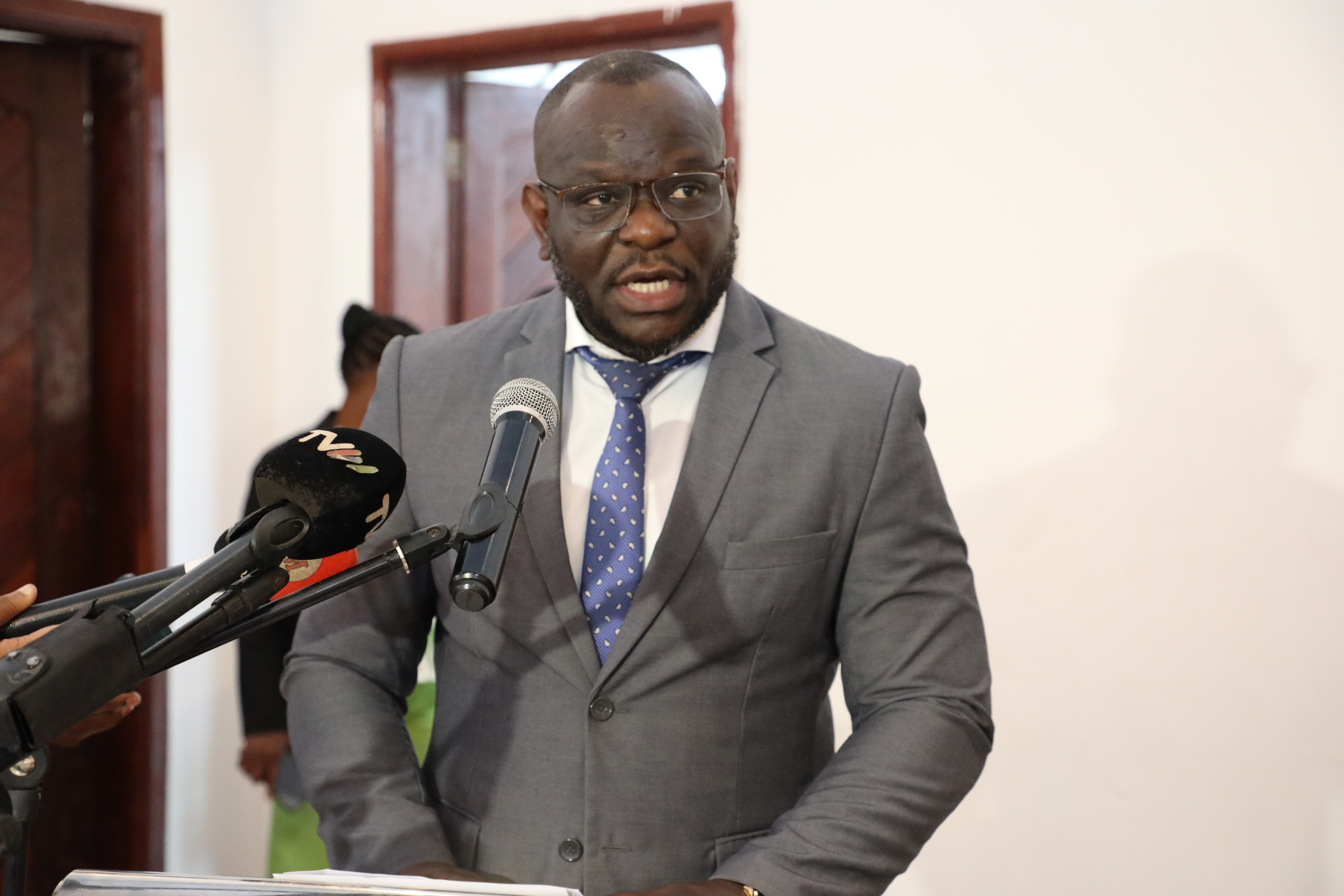
“Malaria remains a major public health challenge with a provincial prevalence of around 20% in children aged 6 to 59 months, demonstrating that this group remains highly vulnerable”, stated Alfredo Francisco, Chief of Party for Malaria Control of the Global Fund Program.
Data presented at the forum showed that, despite progress, most districts in the province continue to report high malaria incidence. Many of the malaria-related deaths treated at Tete Provincial Hospital originate from district areas, underscoring the need for interventions that are closer to communities, particularly in the most vulnerable settings.
Discussions during the forum made it clear that eliminating malaria depends not only on medicines and mosquito nets but also on daily choices made by families and communities. The correct and consistent use of mosquito nets, environmental sanitation, elimination of stagnant water, timely care-seeking, and adherence to prevention campaigns save lives, especially those of children.
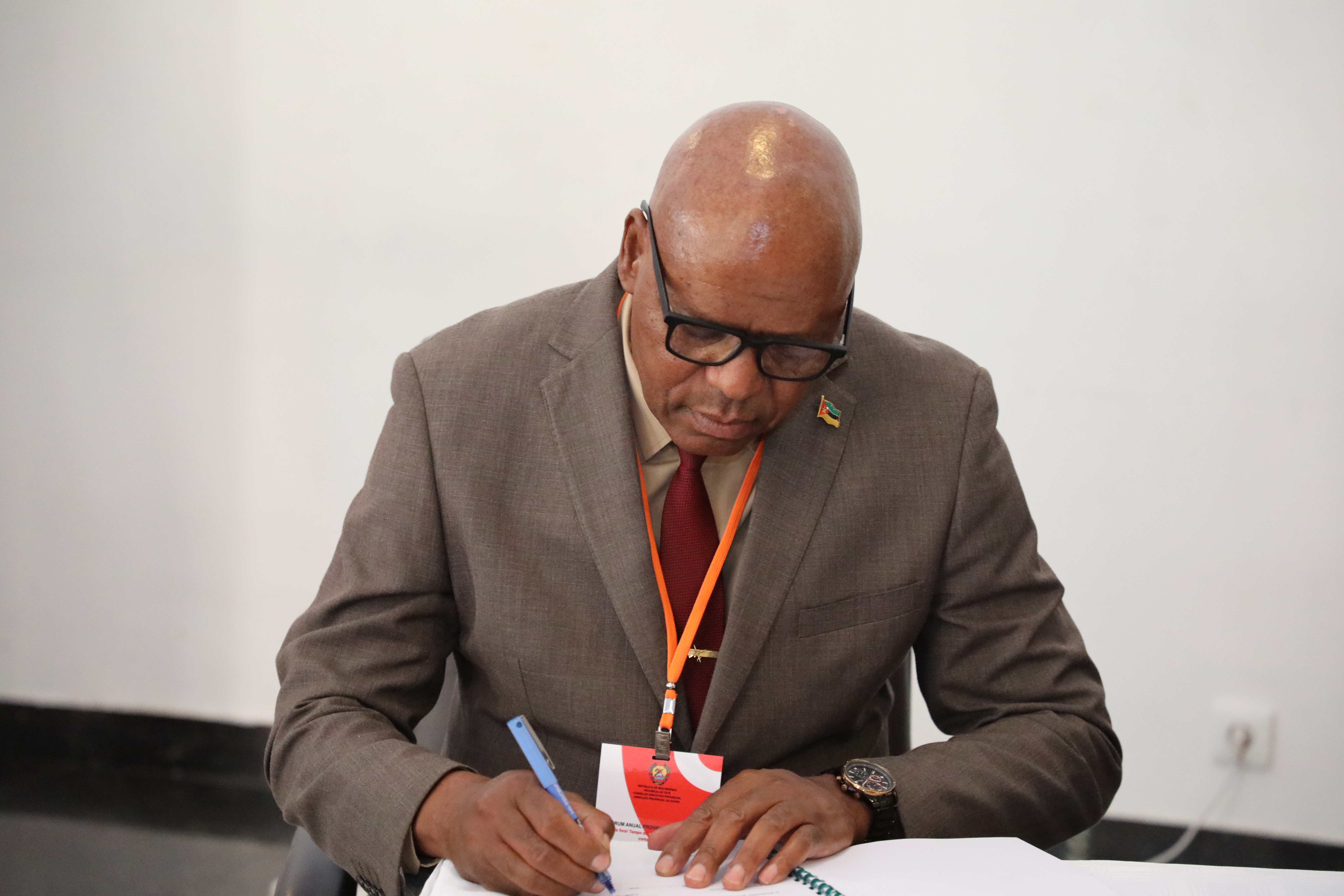
One of the strongest signs of political commitment was the signing of Performance Management Contracts between the Governor of Tete Province and District Administrators. This act underscored districts' direct accountability for implementing priority health interventions. The message was clear: the fight against malaria begins at the district level, reaches communities, and above all protects children.
The forum also brought hope through innovation. The introduction of the malaria vaccine into the routine childhood immunization program, launched in December 2025, represents a historic milestone in child protection. The planned expansion of Seasonal Malaria Chemoprevention, alongside the mass distribution of mosquito nets, strengthens an integrated approach that combines prevention, treatment, and social and behavior change.
Another central pillar of this response is the role of Community Health Workers, who go door to door bringing information, follow-up, and trust to families. They help translate policies into concrete actions and strategies into saved lives.
By bringing together political leaders, technical experts, partners, community and religious leaders, and civil society representatives, the Annual Provincial Malaria Forum reaffirmed that the fight against malaria is a shared responsibility. Every sector has a role to play, every leader has influence, and every family makes decisions that can change outcomes.
With support from the Global Fund, World Vision is taking concrete actions to prevent malaria-related deaths in Mozambique. Key interventions include distributing mosquito nets, training Community Health Workers, and promoting health education campaigns that encourage proper net use and environmental hygiene. The organization is also supporting the Seasonal Malaria Chemoprevention (QSM) program and the upcoming Universal Coverage Campaign (CCU), ensuring preventive treatment and protection reach the most vulnerable communities.