
When Alegria Learns, the Future Smiles: How Strengthening Literacy in Mozambique Is Transforming the Beginning of School Life

Before the notebook came the name. And her name already carried hope: Alegria.
Alegria was registered during the Child Well-being and Protection Fair held in Angónia District, Tete Province. A little girl who, just as her name suggests, is full of smiles and energy.
For now, her routine is simple: helping with household chores and playing. But soon, everything will change.
Alegria is preparing for her first school year. At first, school feels a little frightening, she does not know who her teacher will be, nor does she know her future classmates. Even so, she carries a strong desire in her heart: to learn how to read.
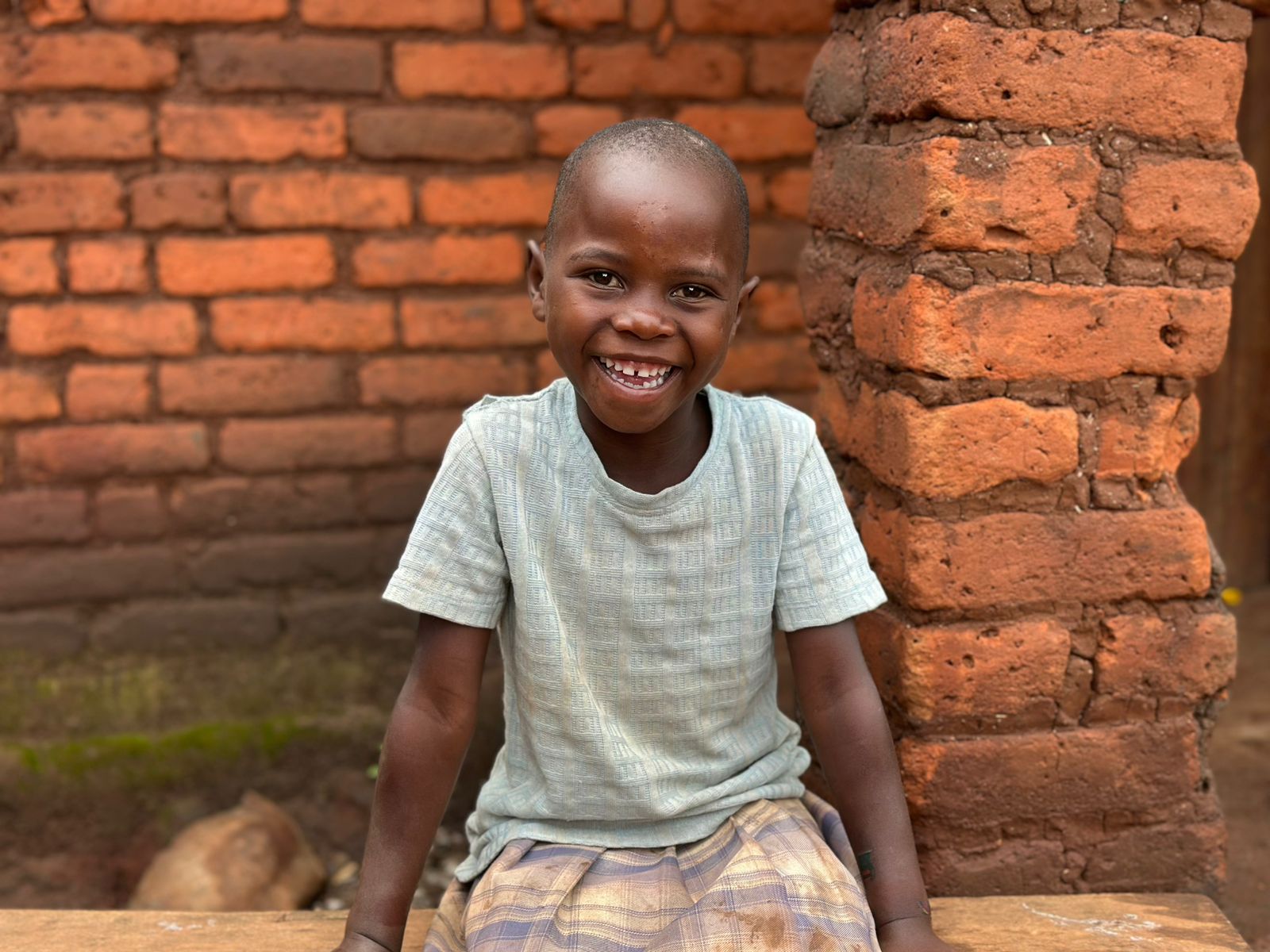
“I want to learn how to read, have some friends, and have a good teacher.”, says Alegria.
When asked whether she already knew how to count, Alegria opened her small hand, stretched out her fingers with concentration, and slowly counted to nine. She smiled at the end, proud of what she already knew.
While Alegria eagerly waits for school to begin, teachers in Angónia District are also preparing to ensure that her dream becomes a reality.
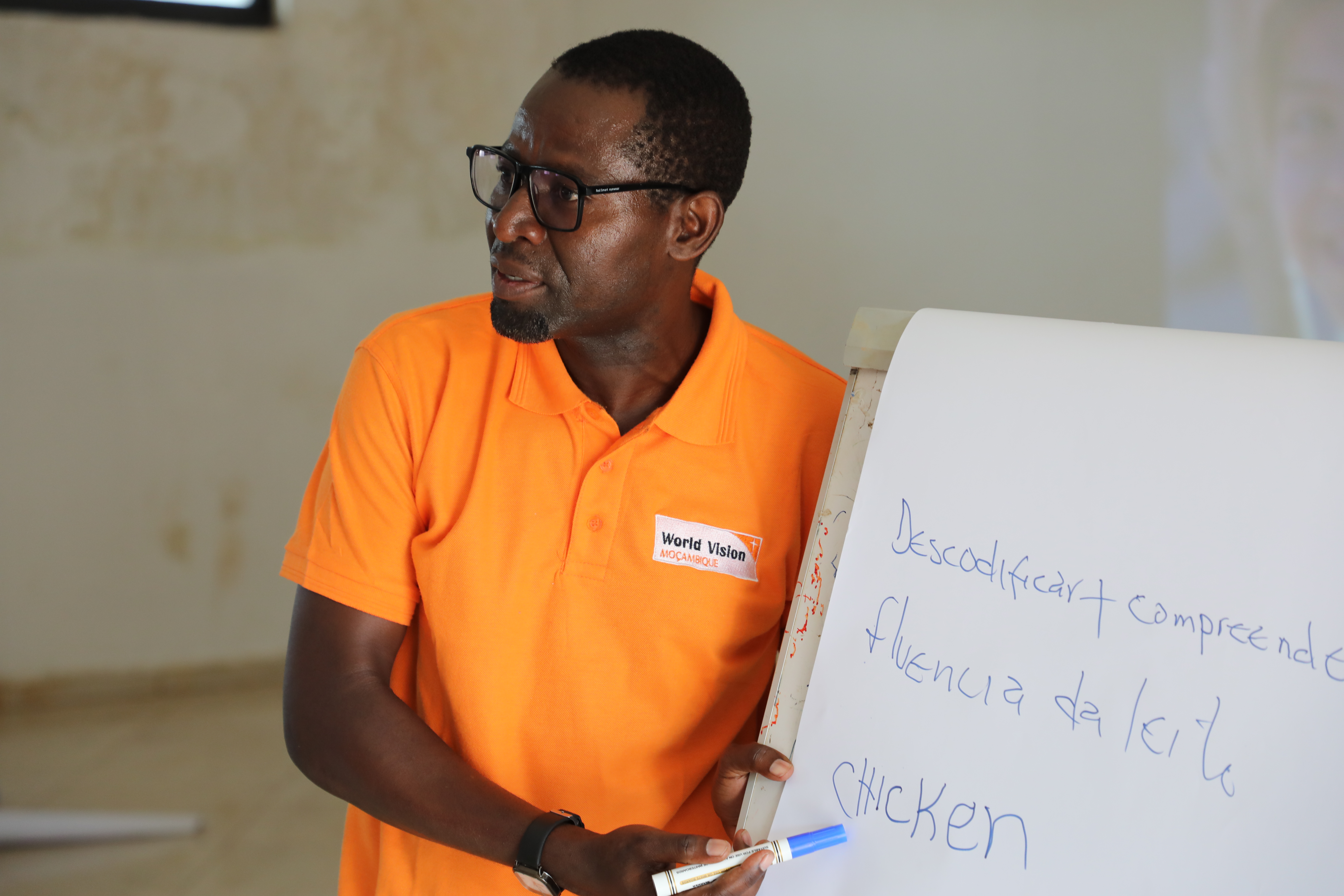
During a recent training held in Tete Province, teachers strengthened their skills and revisited participatory methodologies to improve the teaching of reading and writing in the early grades. The training focused on enhancing reading camps, using educational games, and creating more stimulating and inclusive learning environments.
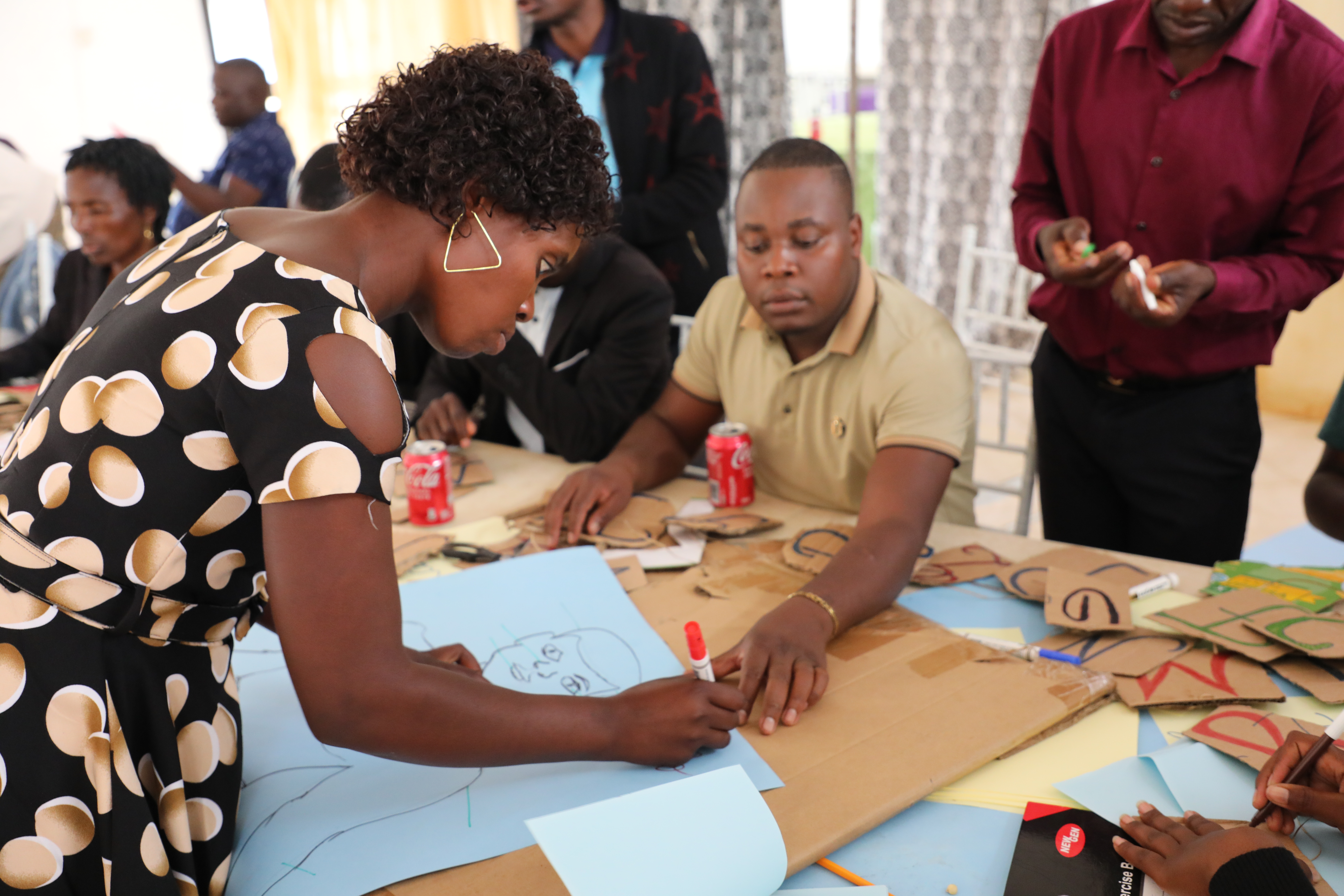
Teaching materials were developed using locally available resources. Cardboard boxes were transformed into alphabet letters. Stones, leaves, and everyday objects became learning tools. Creativity demonstrated that teaching a child to read does not depend only on textbooks, but also on commitment, effective methods, and community involvement.
In addition, teachers reinforced strategies to engage parents and caregivers, recognizing that learning begins at school but continues at home.
As highlighted by Pedrito Conselho, Consultant and Coordinator at the Provincial Directorate of Education in Tete:
“When children learn to read, they are transformed and begin to see the world differently. Through reading camps, we can open children’s minds so they can see beyond the horizon.”
World Vision Mozambique reaffirms its commitment to quality education, working in partnership with the Government and other strategic actors to strengthen the education system. As the 2026 school year approaches, the objective is clear: to ensure that every child not only enters school, but effectively learns how to read and write.
Because when Alegria learns, it is not only a child who grows. It is the future that smiles.