
No Child Should Face Crisis Alone and No Aid Worker Should Carry It Alone Either

Just days after the earthquake, I met a 17-year-old girl who could still remember the sound of the earth breaking open.
The ground had shaken violently beneath her. The walls around her began to give way. In the chaos, she injured her leg, but still helped her younger brother and aunt escape from their collapsing home. Later, when she spoke about what had happened, she did not dwell on her own fear. She worried about how her family would rebuild their house. How they would earn a living again. How they would begin again after losing so much.
That is what crisis does to children. It forces them to grow up in seconds. It makes them think about survival, shelter and livelihoods when they should be thinking about school, friends and the future.
Her courage has stayed with me. But so too has another story from Myanmar: the story of a humanitarian leader who chose to stay.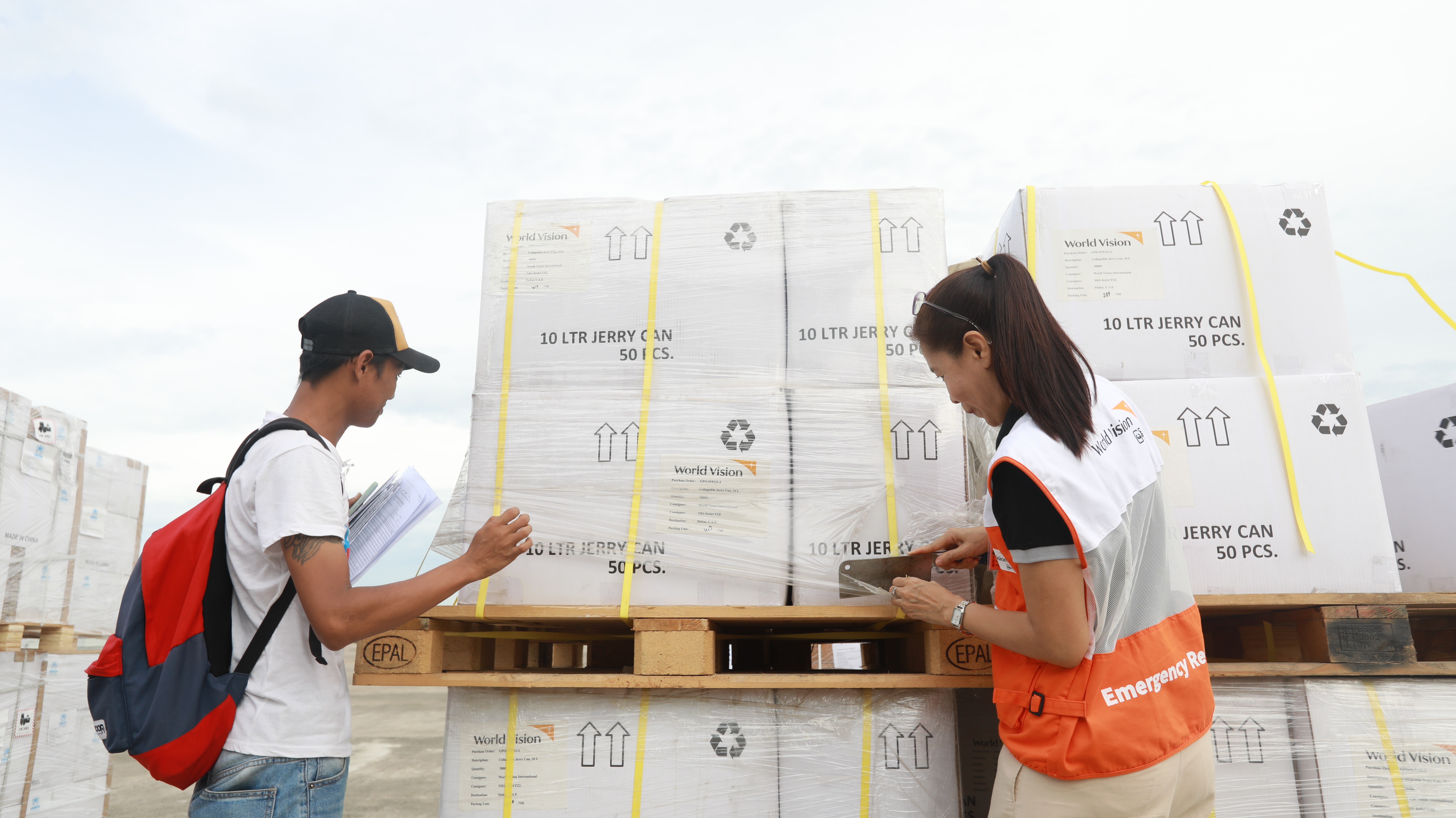
In the span of just a few years, she lost her mother, was displaced by conflict, saw her home damaged in violence and then lived through a devastating earthquake. Again and again, crisis came close to her own door. Yet when families were forced to flee, she helped lead the response. When disaster struck, she joined emergency efforts almost immediately. When communities needed support, she showed up.
Her story reveals a truth we too often overlook. Humanitarian workers are not separate from the crises they respond to. In places such as Myanmar, they are often living through the same violence, grief and uncertainty as the children and families they serve.
We tend to picture humanitarian crises through images of destroyed homes, crowded shelters and children out of school. We focus, rightly, on families who have lost everything. But behind every food distribution, child protection service, temporary learning space or emergency response are local humanitarian workers who may have lost homes, relatives and safety themselves.
They comfort children while carrying their own trauma. They help displaced families while navigating their own displacement. They support communities to rebuild while wondering how they will rebuild their own lives.
The humanitarian leader I met faced one of the most painful choices imaginable. When her mother died, conflict had forced her and her team to flee. Her colleagues were depending on her leadership at a moment of deep uncertainty. Returning home for the funeral would mean leaving them behind. Staying meant sacrificing the chance to say goodbye to someone she loved.
She stayed.
It is easy to use words such as resilience in the humanitarian sector. We use them often. But resilience can come at a cost. Too often, it asks people to keep going while their own grief remains unseen. It asks local responders to absorb the suffering of others while carrying their own losses quietly.
Many humanitarian workers miss births, funerals and milestones. They live with uncertainty about their safety and future. They witness suffering day after day. And still they continue, because they believe every child deserves protection, every family deserves support, and every community deserves the chance to recover.
In Myanmar, that commitment is being tested every day.
Years of conflict, political instability, displacement and natural disasters have created one of the world’s most complex and underfunded humanitarian crises. Millions of children and families continue to need support to access safety, education, livelihoods and basic services. Yet the people best placed to reach them are often local responders who are themselves affected by the same emergencies.
The lines between “aid worker” and “survivor” are not always clear. In Myanmar, they are often painfully blurred.
The leader I met was later displaced again when violence intensified. An aerial attack damaged the home where she had been staying and destroyed many of her belongings. She fled once more. Then came the earthquake. Despite everything she had endured, she joined the emergency response to help others.
When I asked what kept her going, it was not recognition or reward. It was the children and families around her. Children laughing again. Parents trying to rebuild. Communities taking small, determined steps back towards normal life.
That is why this story must be told through the eyes of children too.
A child who survives an earthquake needs more than a tarpaulin or a meal. She needs a safe place to sleep. She needs to return to learning. She needs space to play, to process fear, to feel protected. She needs adults around her who are supported enough to keep supporting her.
And those adults include local humanitarian workers.
On World Humanitarian Day, as the world speaks of those who act for humanity, we must ask what solidarity really means. It cannot mean applauding local responders while leaving them underfunded, overstretched and unseen. It cannot mean expecting people who have survived crisis to shoulder the burden of response without the resources, care and protection they need.
It means standing with the people who stay.
It means recognising that local humanitarian leaders are not simply delivering aid; they are holding communities together. It means investing in their wellbeing, strengthening local leadership and ensuring they have the tools and funding to respond quickly when the next emergency comes.
It also means refusing to forget children in crises that no longer dominate the headlines.
Myanmar may not appear on front pages every day, but children there are still living with the consequences of conflict, displacement and disaster. They are trying to return to school, recover from trauma, rebuild homes and imagine a future beyond survival. Their needs do not disappear when global attention moves on.
For donors, partners and supporters, this is not only about funding programmes. It is about investing in the people who make recovery possible: children rebuilding their futures, families trying to regain stability, and local responders who continue to serve despite profound personal cost.
The 17-year-old girl I met after the earthquake should not have had to rescue her family from a collapsing home. She should not have had to worry about livelihoods and rebuilding. She should have been able to feel safe, learn, play and dream.
That is the future every child deserves.
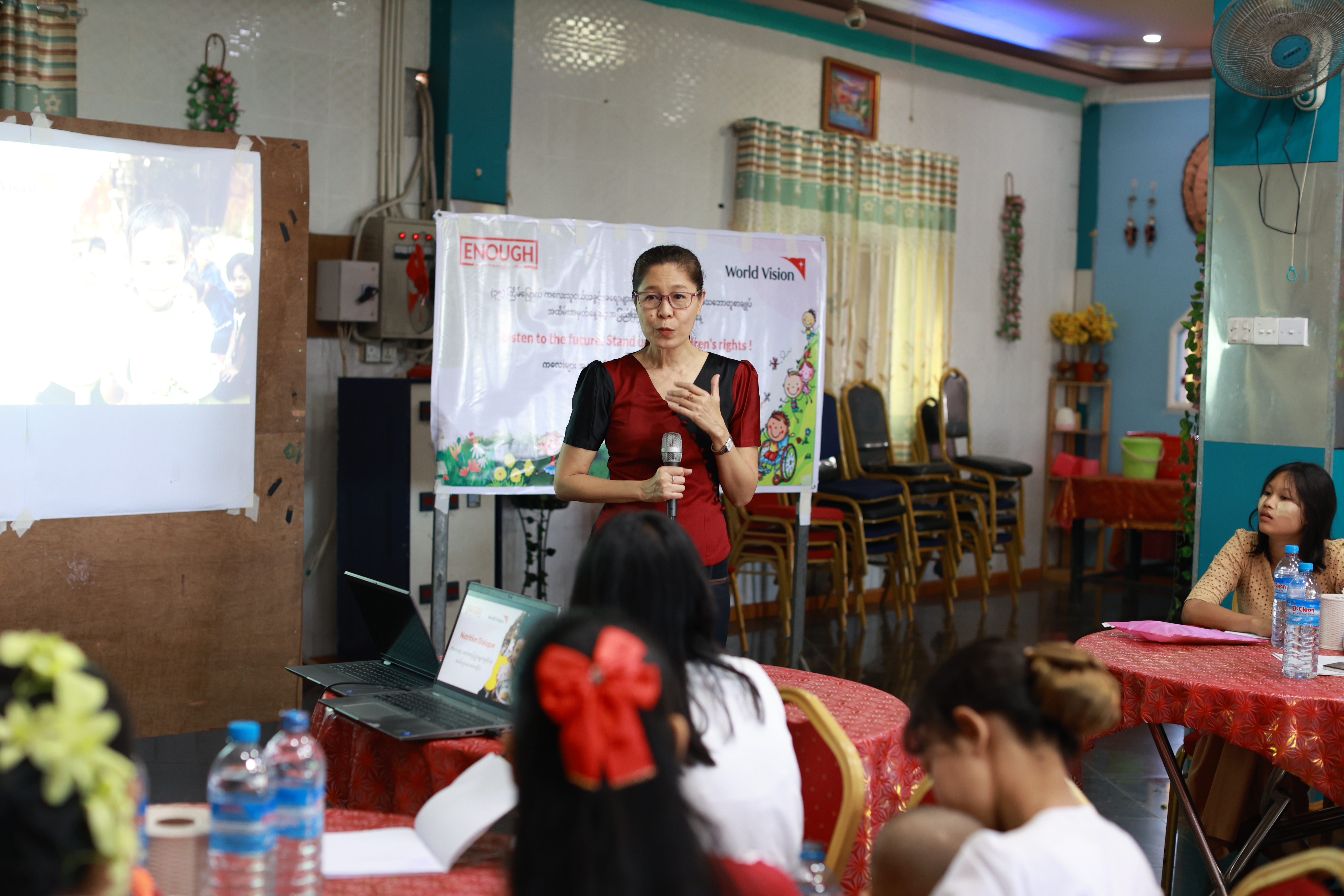
This World Humanitarian Day, we should honour those who choose to stay. But honour is not enough. Recognition must be matched with action: sustained, flexible funding for local humanitarian response; support for the wellbeing of frontline workers; and a renewed commitment to children and families living through crises the world too easily forgets.
Because no child should face crisis alone. And no humanitarian worker should be left to carry the burden without our support.
By Naw Phoebe, Advocacy and Communication Director, Myanmar.