
Communities of Pahoturi Thriving in WASH

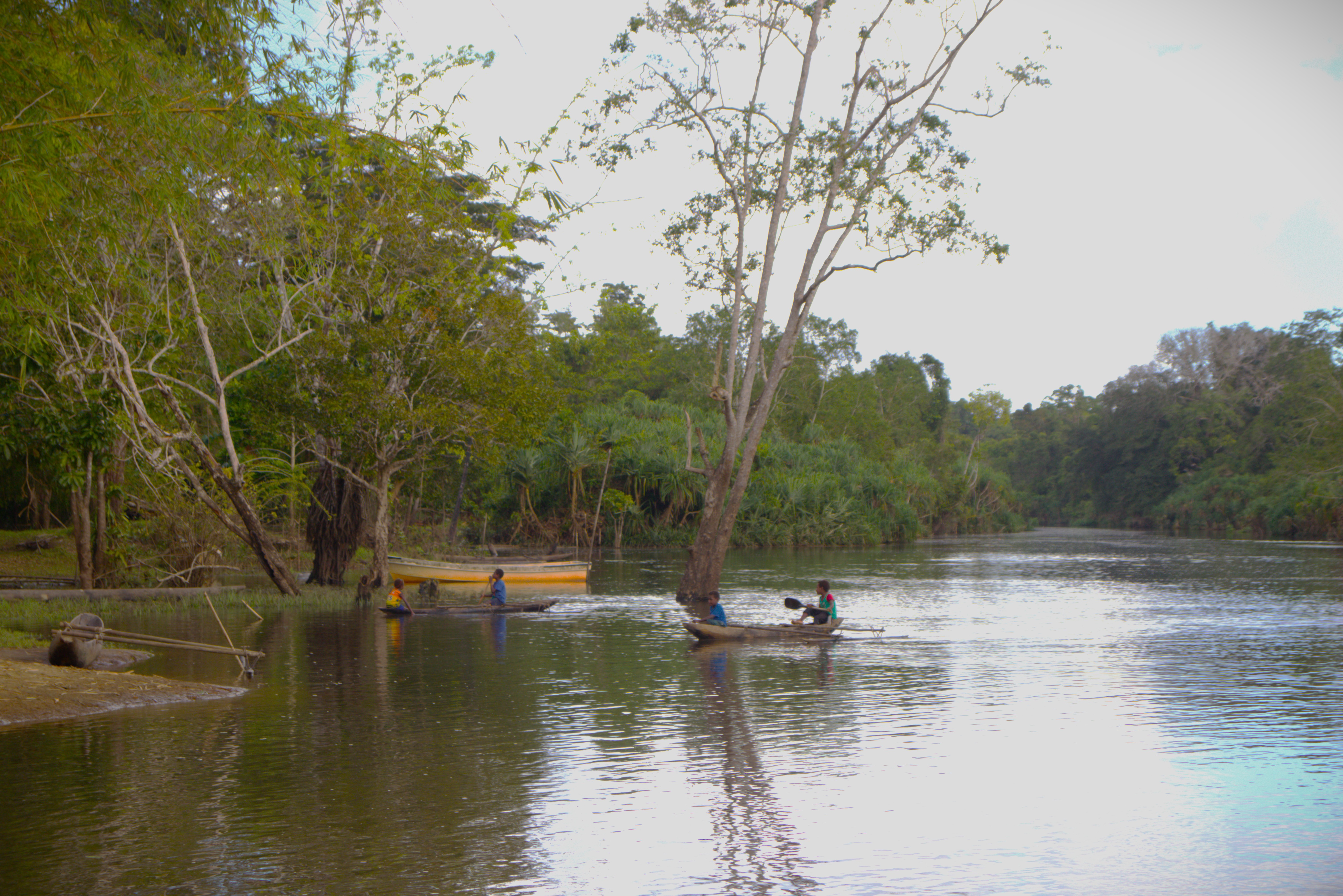
The Pahoturi River flows through some of Papua New Guinea’s most remote and ecologically rich landscapes, connecting a network of isolated communities that rely on its waters for daily life.
Despite the river’s natural beauty and the abundance of plants and animals that thrive along its banks, many of these communities still face significant challenges in accessing basic water, sanitation, and hygiene(WASH) services.
The Western Province Partnership (WPP) is a place-based initiative funded by the Australian Government through the Department of Foreign Affairs and Trade (DFAT). It supports inclusive, community-led development across Papua New Guinea’s Western Province.
At the forefront of implementation is World Vision, working closely with local governments and communities to deliver practical, sustainable improvements in health, water and sanitation, education, and livelihoods.
Instead of applying a one-size-fits-all approach, WPP is designed to be flexible, locally driven, and long-term. It empowers communities to determine their own development priorities while aligning with national and provincial goals. DFAT provides strategic direction and funding, while World Vision offers deep community engagement and technical expertise.
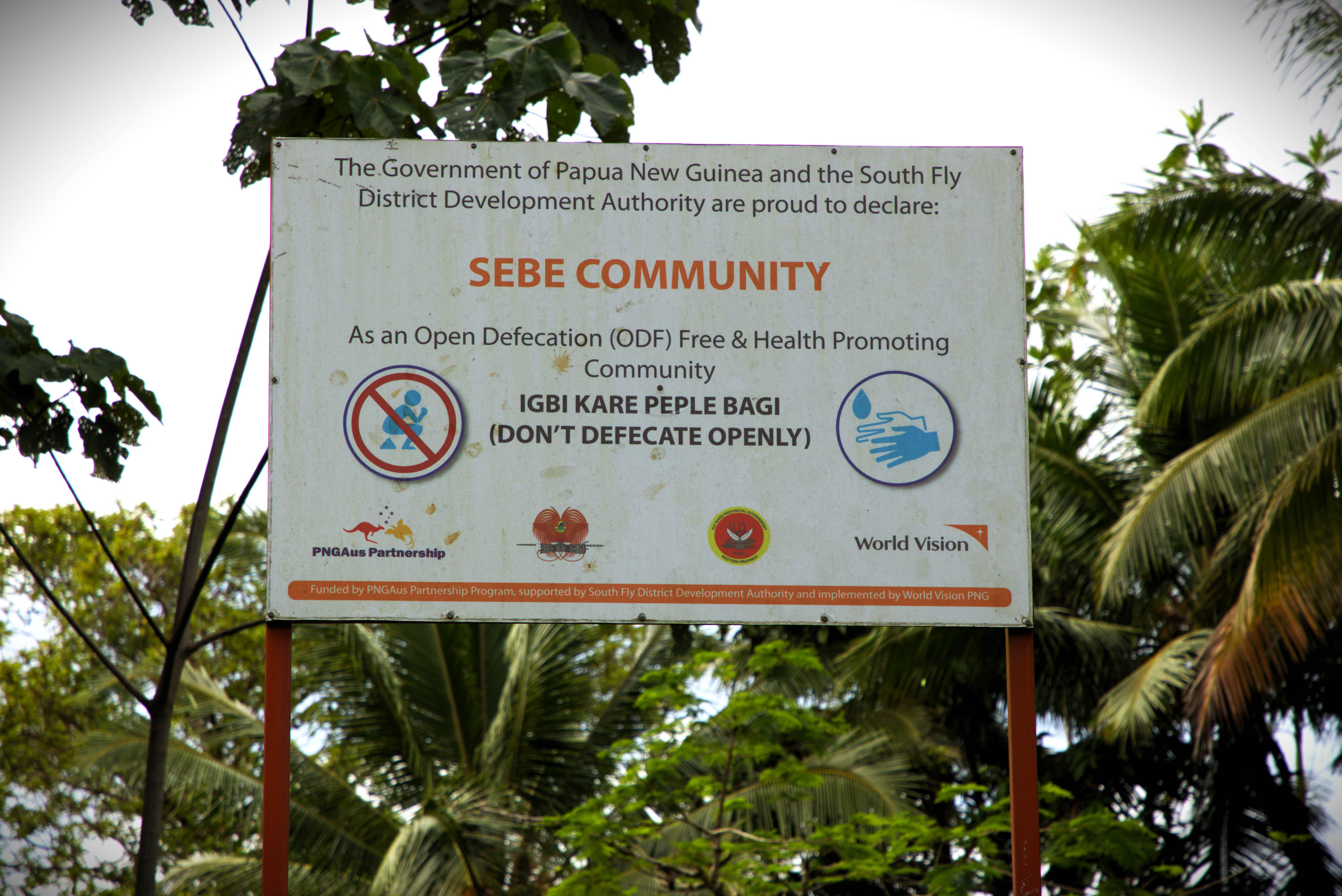
Since 2021, the Western Province Partnership (WPP) has supported a variety of WASH interventions throughout Western Province. Communities such as Sebe, Kibuli, and Wamorong have been among those to benefit. These villages have long struggled not only with access to safe water and sanitation but also with local governance and community empowerment.
Through training workshops facilitated by World Vision, residents have started to strengthen their leadership structures, improve hygiene practices, and take ownership of their development priorities.
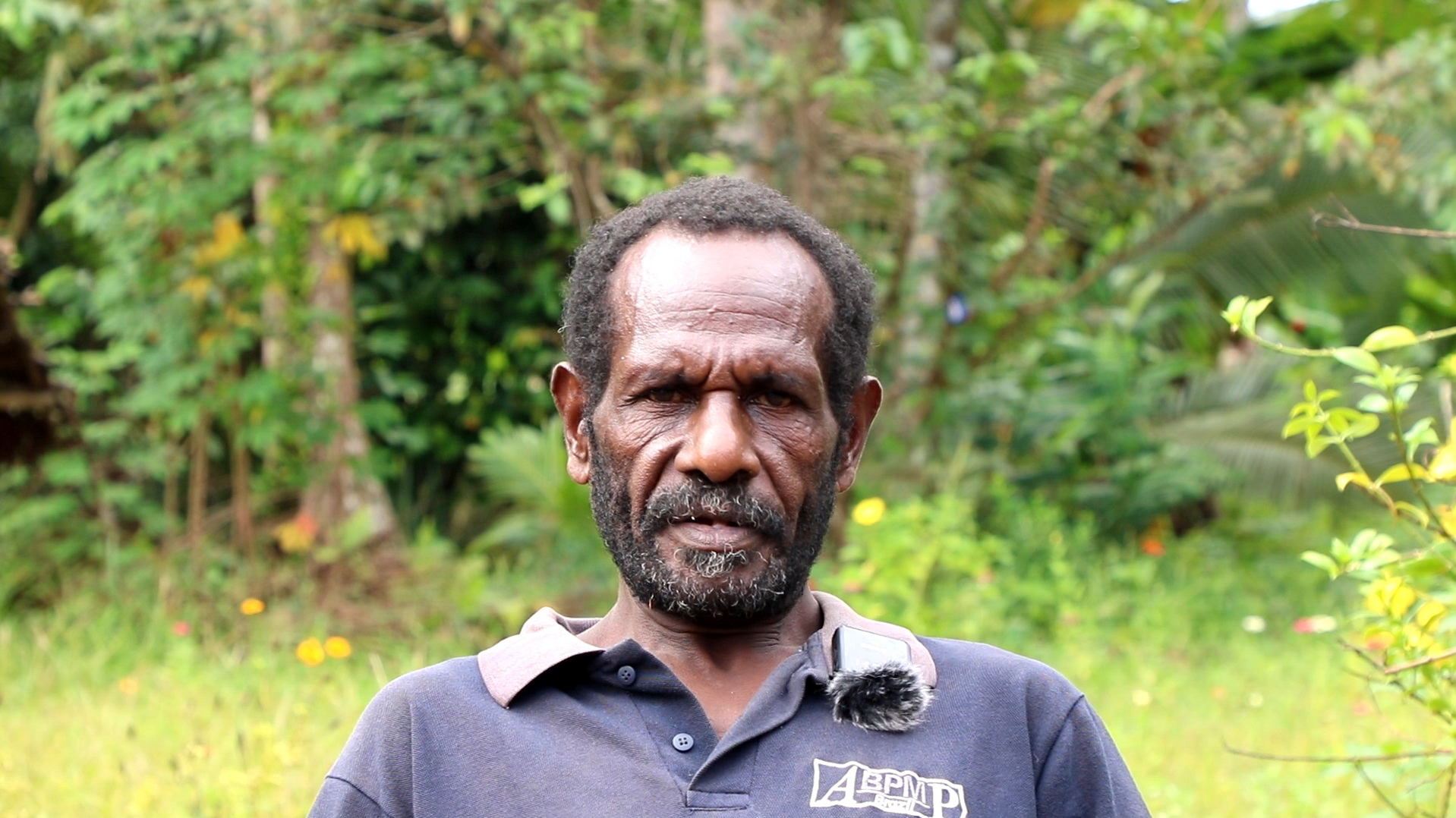
Alongside ongoing WASH challenges, communities along the Pahoturi River experience extreme seasonal changes, with prolonged wet and dry periods disrupting daily life all year.
David Marei, Chairman of the Sebe WASH Committee, recalls the toll these conditions have taken on his community.
“Although we have fertile soil for gardening, we often lose our crops during the wet season when the river floods and submerges most of our land,” he explains.
“Our main water source becomes contaminated, and women are forced to walk kilometers into the forest to fetch spring water. Sometimes, we have no choice but to drink polluted water.”
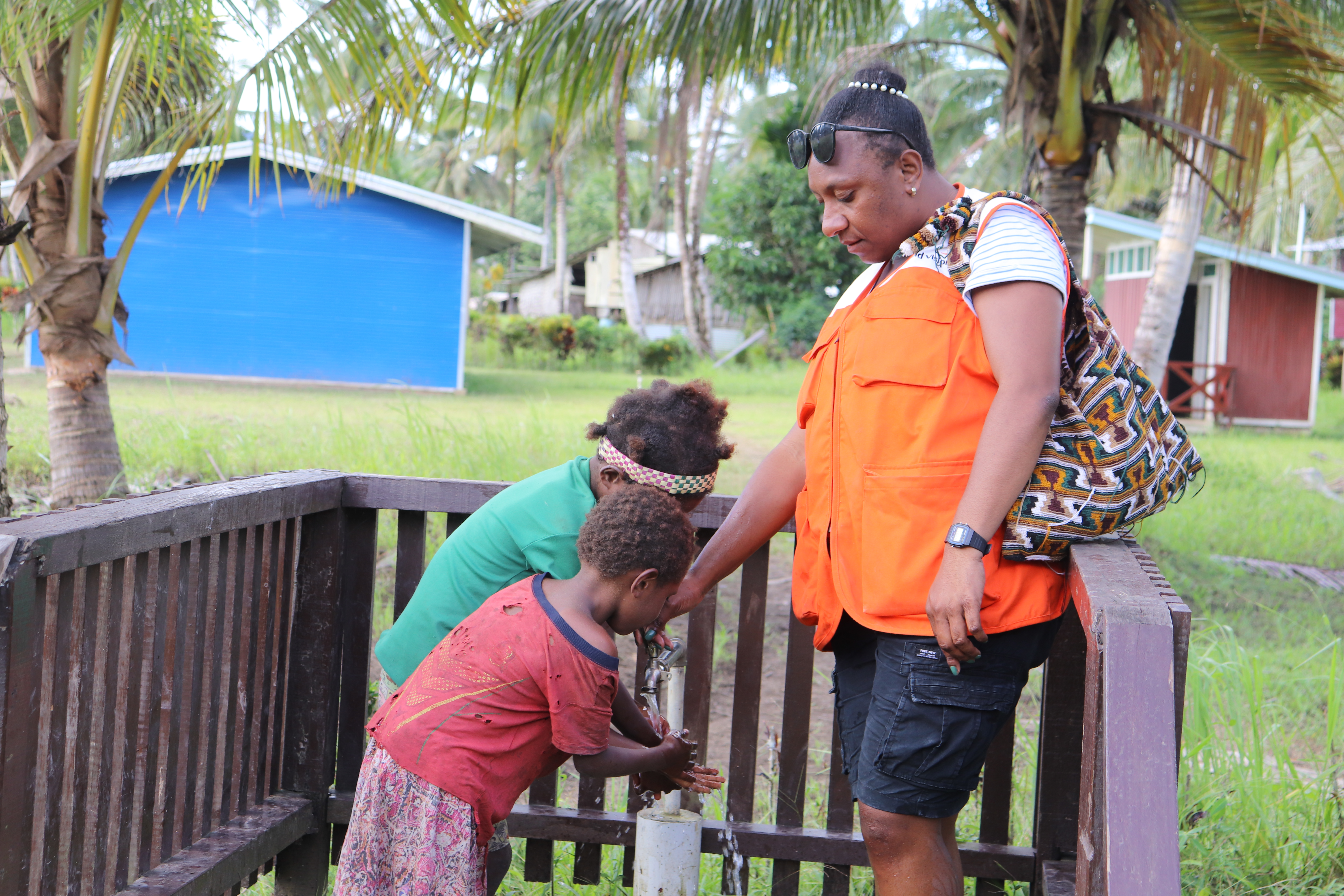
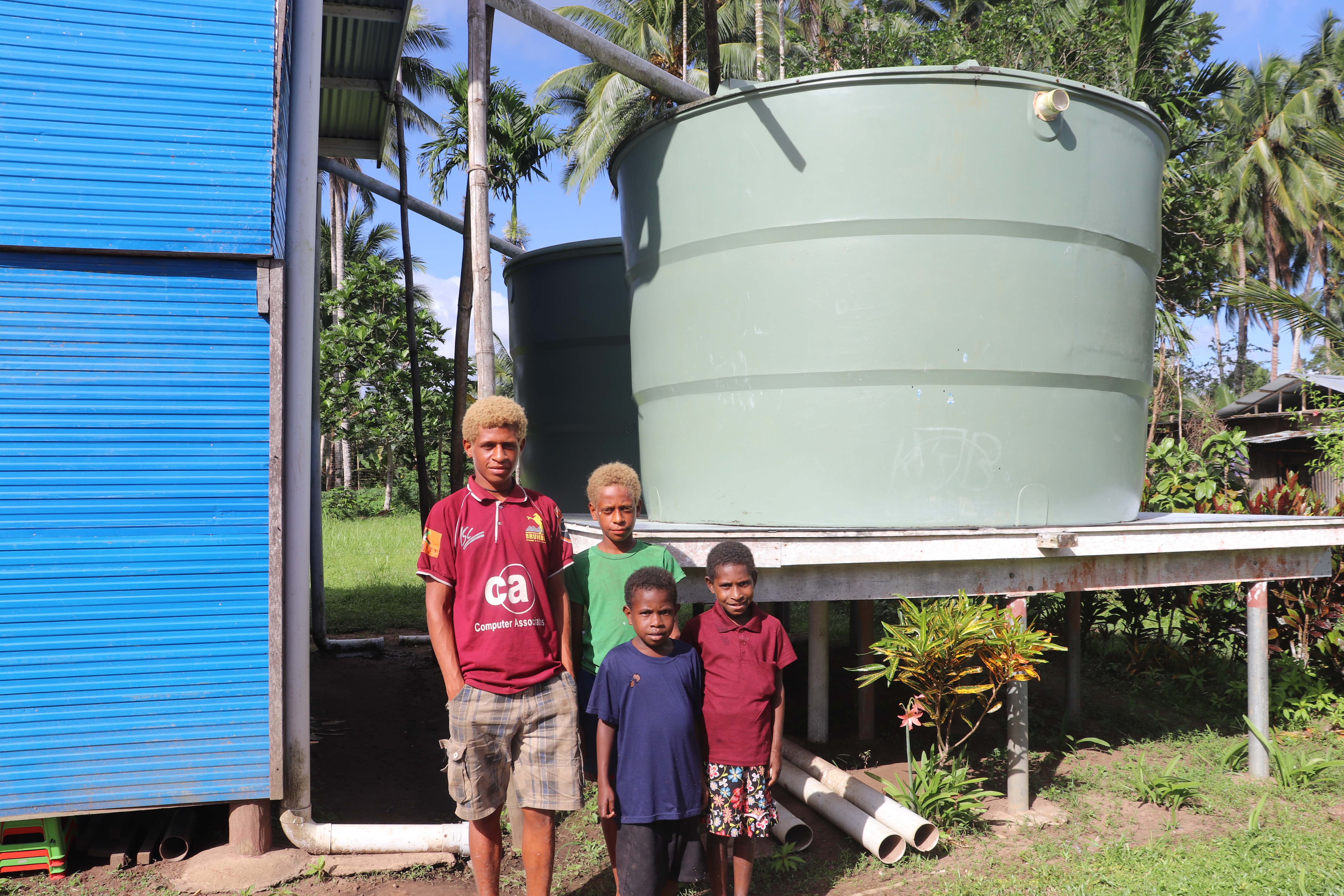
Moved by these issues, World Vision, with support from the Australian Government through DFAT, stepped in to help. A bore water pump was installed on higher ground at the center of the village, safely away from the flood-prone river along with two 9,000 litre tanks used for rain-water catchments, providing a reliable, clean water source.
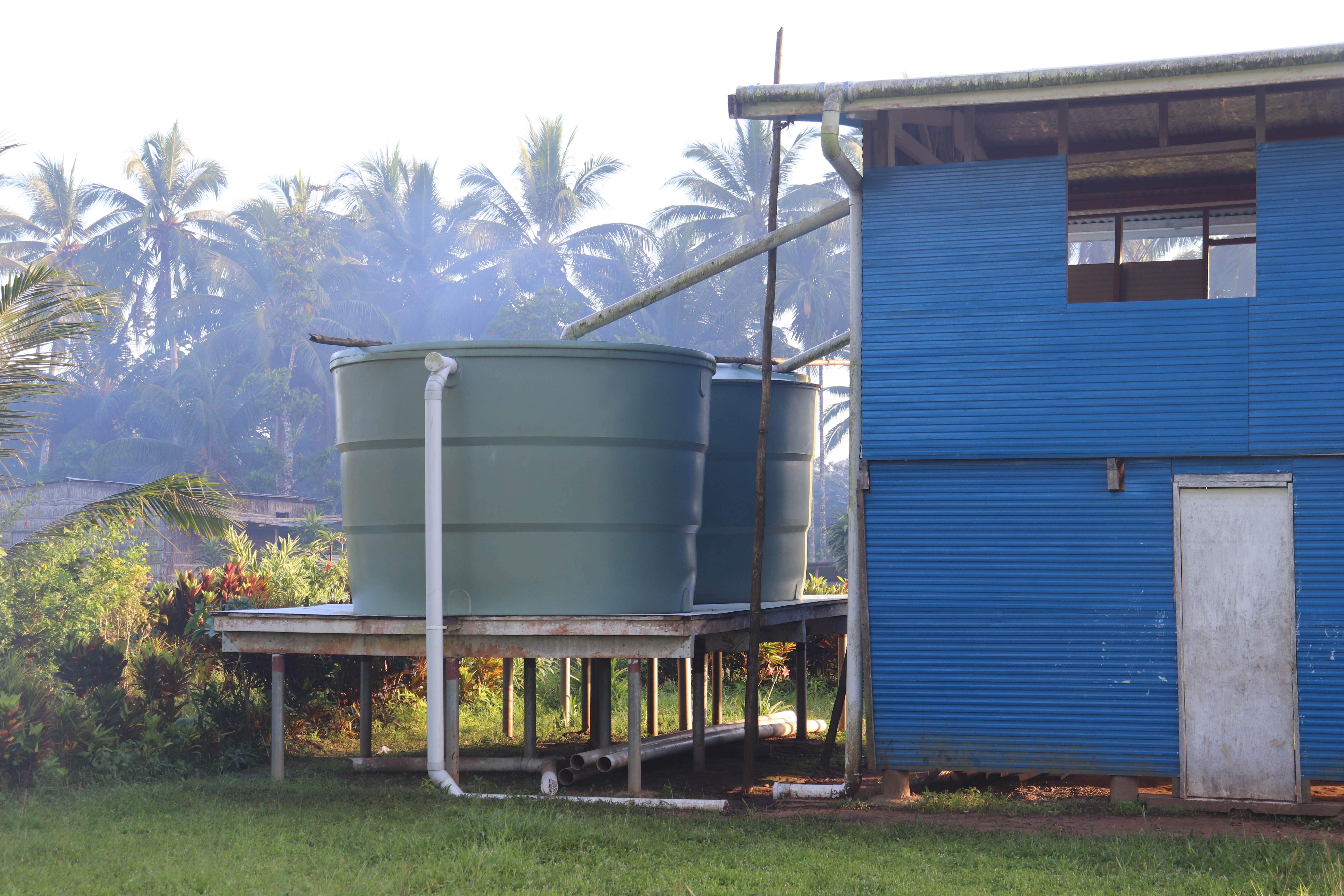
For Sobe Nuge, a widowed mother and active community member, the intervention has been life-changing.
“Before, it was always women who fetched water and carried it home. But after the training sessions facilitated by World Vision, we’ve realized that men can help too, especially when our hands are full,” she shares.
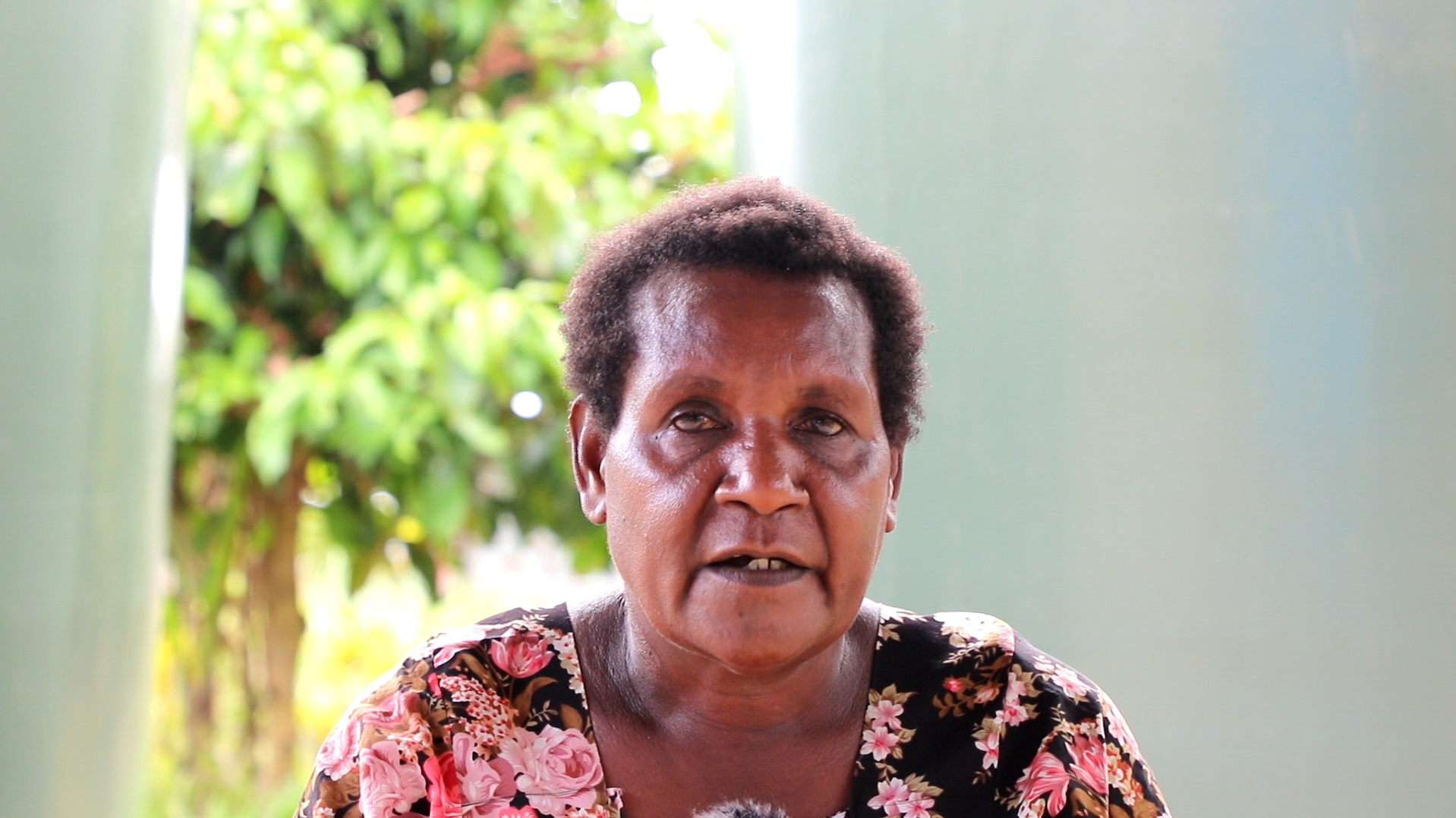
Beyond improving access to safe water, the project has also strengthened local governance and prompted a shift in gender roles, easing women’s burdens and encouraging shared responsibility within households.
In 2023, Sebe was officially declared Open Defecation Free (ODF) after a series of WASH trainings led by World Vision. This milestone marked a key turning point, laying the groundwork for broader WASH services to take root and grow.
Jessie Mathew describes the Community-Led Total Sanitation (CLTS) training as a powerful wake-up call.
“Our community had long clung to old habits, relieving ourselves in the bush, near water sources, or even close to homes. We ignored the long-term consequences,” he reflects.
“The CLTS training helped us see that change is urgent, not just for ourselves, but for our children and the future of Sebe.”
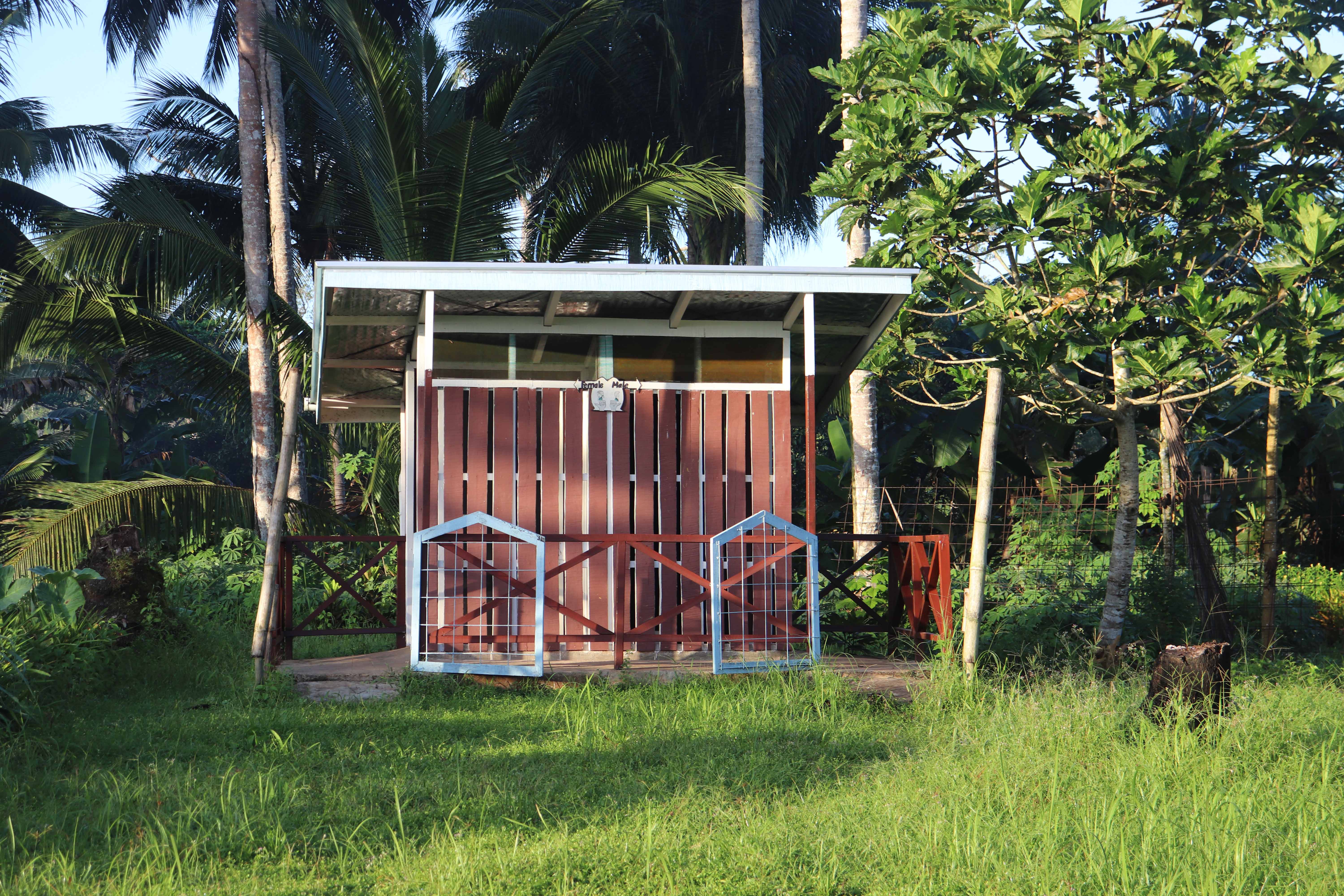
The ODF declaration not only improved hygiene and health outcomes but also ignited a collective sense of responsibility and pride, establishing a foundation for sustainable development and stronger community-led governance.
In addition to the strengthened local governance fostered through WASH initiatives, leadership training and the Channel of Hope (COH) programme have instilled a renewed sense of purpose and empowerment in communities such as Wamorong and Kibuli.
These interventions have inspired young people to abandon harmful behaviors, including the production and consumption of homebrew, and to step forward as agents of change, leading efforts to transform their communities from within.
Dargol Miria, a young man from Kibuli Community, was recently elected as the new member for Sebe-Kibuli Ward 18, a milestone he attributes to the leadership training facilitated by World Vision.
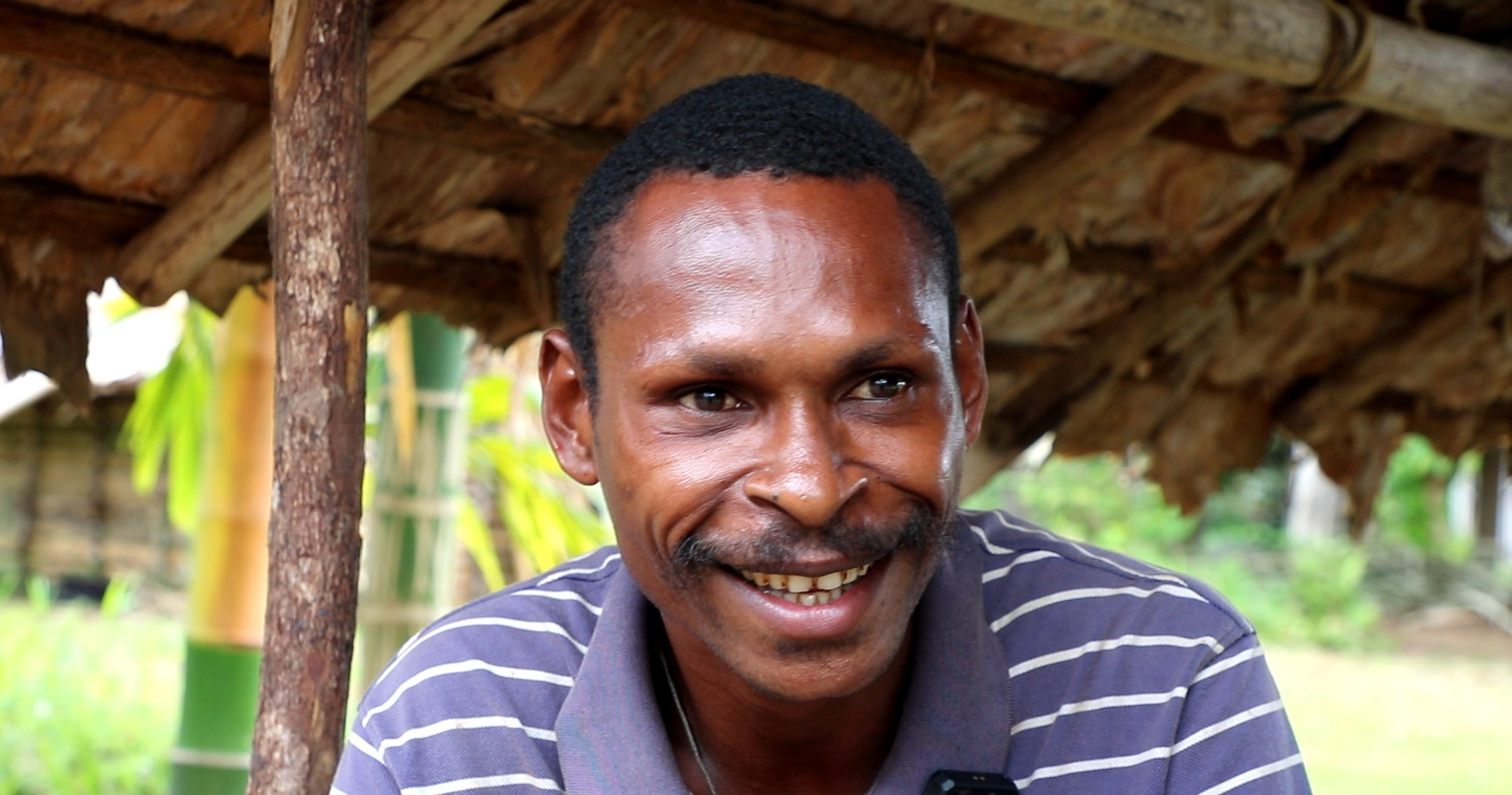
“Although I completed Year 12, I still found it difficult to speak to large crowds and to lead,” he shares.
“We all saw that change was needed, but I was unsure whether I could be the one to lead my people.
“That changed when we underwent World Vision’s leadership training programme, where we learnt about the three types of leadership and how best to apply them to transform our community.
“I could not have done this without World Vision’s support. Now, I am in a position to bring greater change to my ward.”
Another young man from Wamorong, Lenny Gera, experienced a profound personal transformation after attending World Vision’s Channel of Hope training, turning from a violent drunkard into a devoted husband and a man of faith.
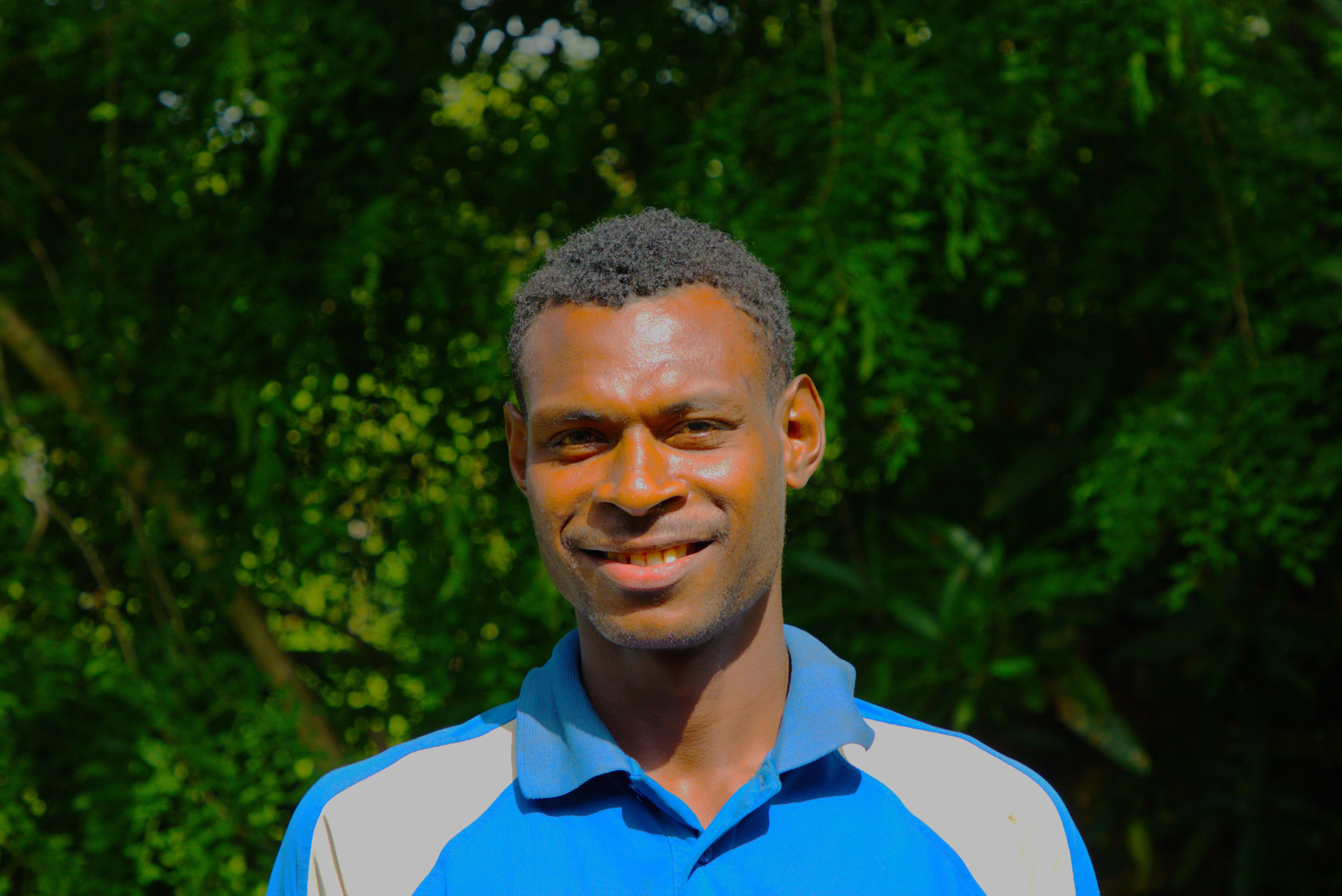
“I was much like the other youths in Wamorong. We would drink, smoke, and cause trouble in the community. We were involved in illegally making and consuming homebrew, and when under the influence, I would go home and fight with my wife,” he recalls.
“When World Vision came through with their leadership and COH programme, I began to reflect on my actions and how they had affected my marriage. Not allowing my wife to have a say in family decisions was one of the reasons we constantly fought.
“But today, I am proud to say that I have pursued God, and I have been baptised into the revival church.”
The journey of Sebe, Kibuli, Wamorong, and other communities along the Pahoturi River is a testament to what can be achieved when development is rooted in local leadership, inclusive values, and strategic partnership. Through the Western Province Partnership, the Australian Government, via the DFAT, has played a vital role in enabling community-led solutions that respond to both urgent WASH needs and long-term aspirations.
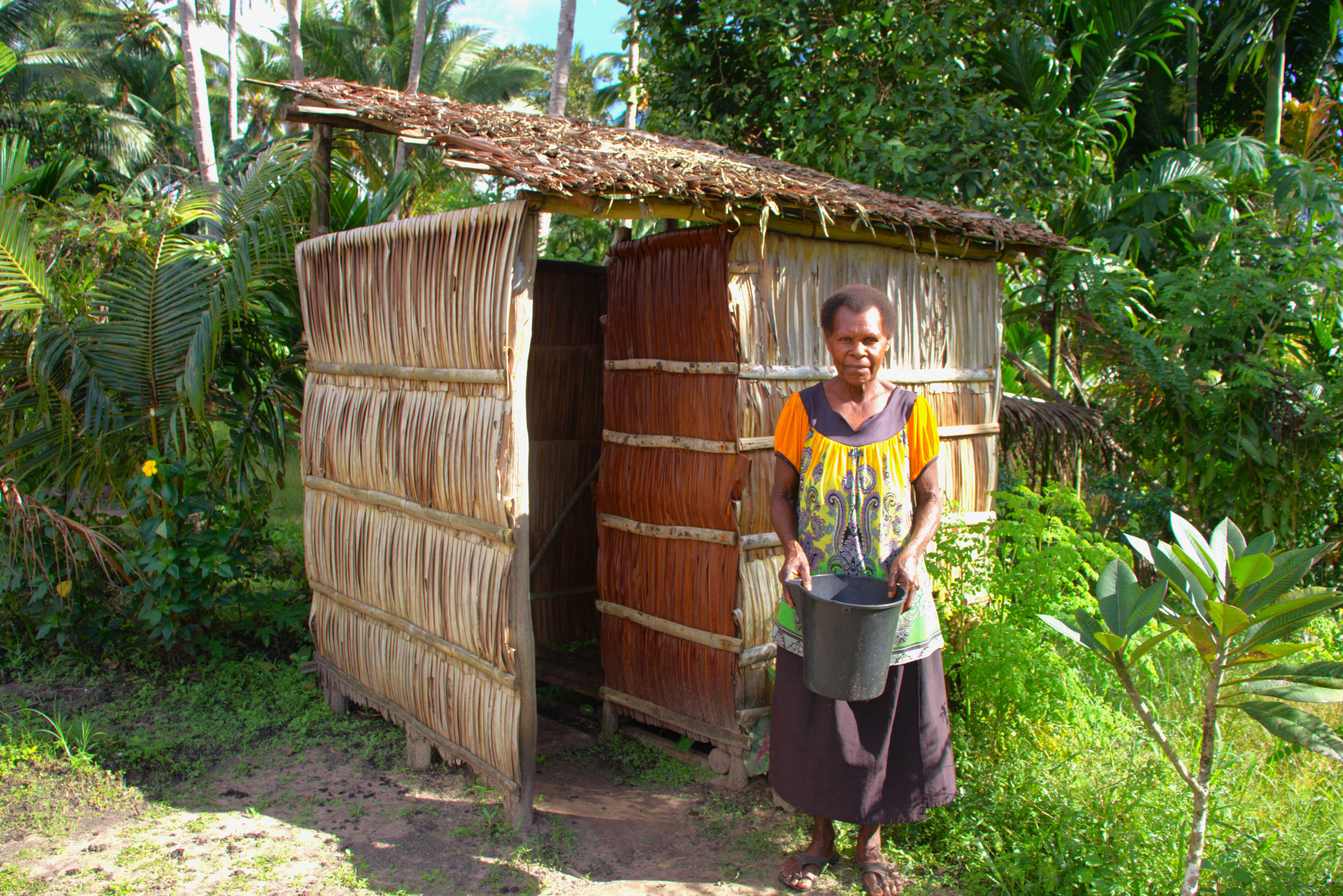
By investing in climate resilient infrastructure such as elevated bore water systems, rainwater catchments, and strengthening governance through WASH Committees, CLTS, and leadership training, the initiative has helped communities access clean water, improve hygiene, and build systems that are locally owned and sustainable.
The declaration of Sebe as Open Defecation Free is not merely a milestone, it is a symbol of collective pride, behavioral change, and a renewed commitment to health and dignity.
Equally transformative has been the integration of values-based programmes like Channel of Hope (COH), which have inspired personal reflection, reconciliation, and spiritual renewal. From widowed mothers to newly elected youth leaders, and from former homebrew producers to men of faith, the ripple effects of these interventions are visible in households, churches, and community halls.
These stories reflect more than improved water access or sanitation, they reveal a deeper shift in mindset, where young people are stepping forward, gender roles are evolving, and communities are reclaiming their future with courage and compassion. As the Pahoturi River continues to nourish the land, so too does this partnership continue to nourish hope, resilience, and equity across the South-Fly District of Western Province.