Siwakato's Reflection: Life Is in the Garden

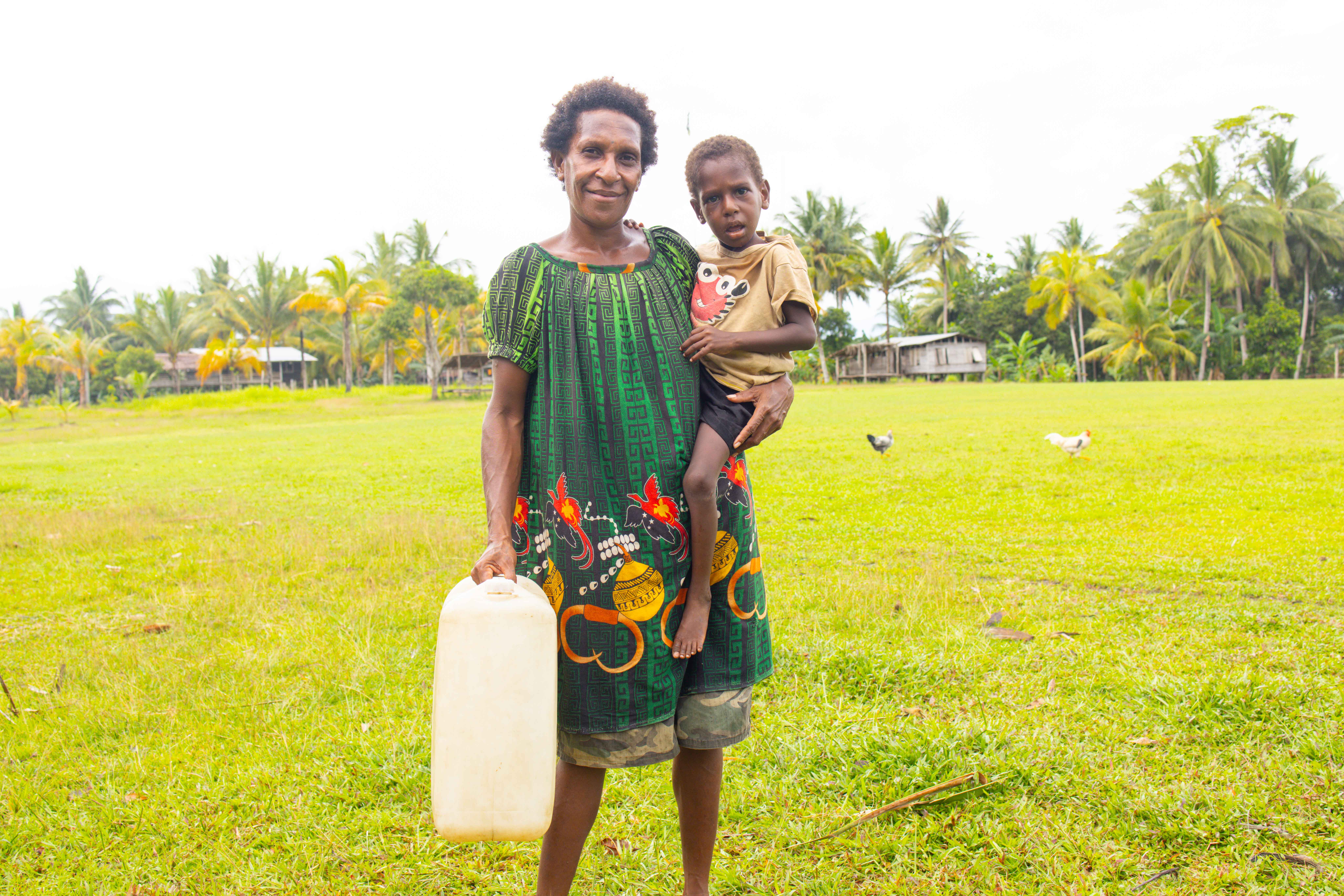
In the quiet heart of Semabo Community, deep within the Middle Fly District of Western Province, lives a woman whose journey has become a beacon of possibility for families who once believed change was beyond their reach. Siwakato Kena, a mother and traditional gardener, began with modest tools and limited choices, yet her courage and determination have led her to become a respected lead farmer, a nutrition advocate, and a champion caregiver for children with special needs. Through the support of World Vision’s BEAN Project and Climate Smart Agriculture (CSA), her transformation has reshaped her household and sparked a powerful movement of change throughout her community.
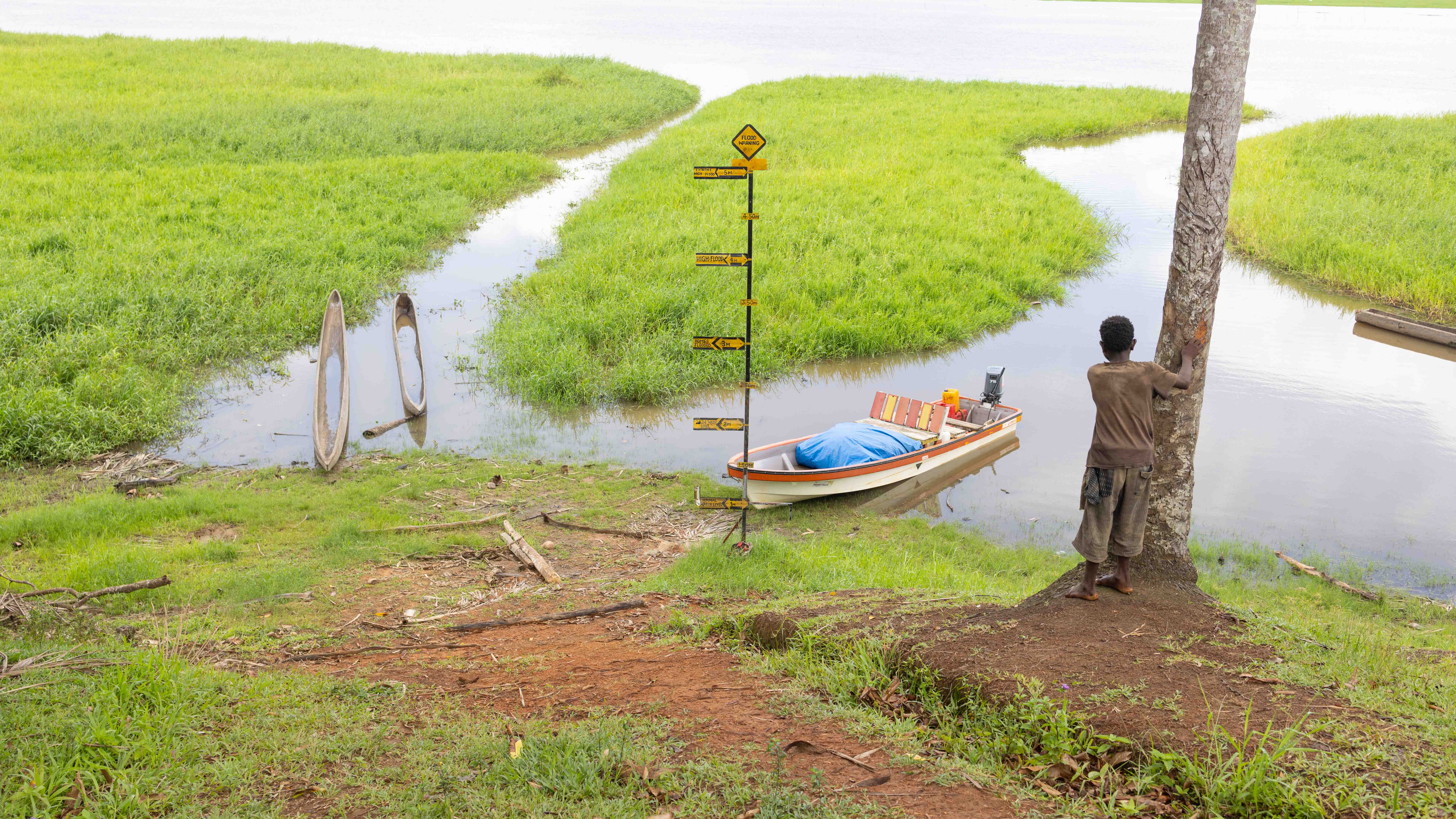
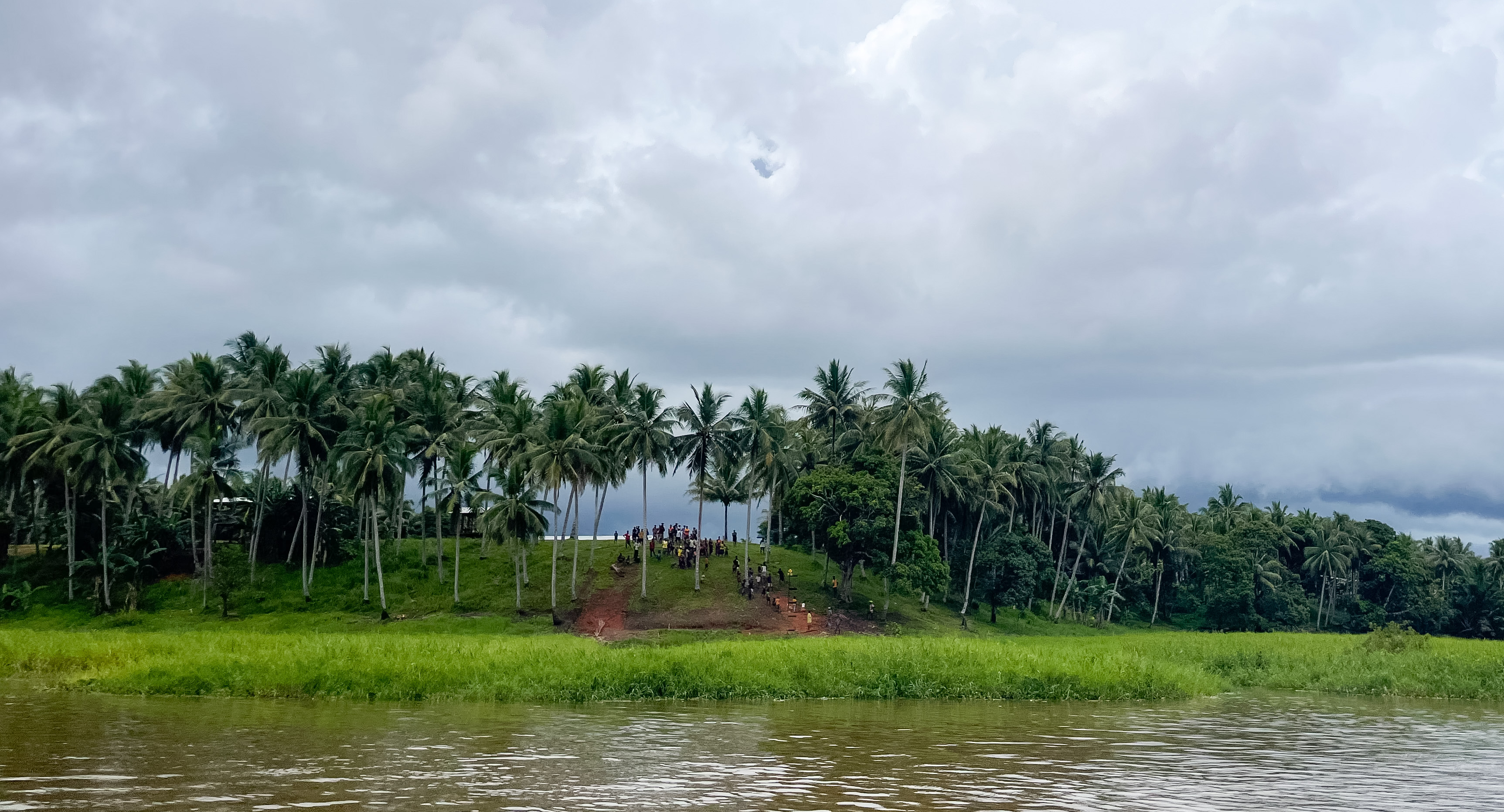
Before 2022, life in Semabo was hard in ways that felt ordinary. Most households relied almost entirely on sago and fish, foods rooted in culture and memory but lacking the balanced nutrients required for a child’s growth, concentration, and long-term health. Gardening, once the backbone of rural resilience, had become increasingly uncertain. The terrain was overwhelmingly waterlogged, with nearly four out of every five pieces of land sitting under or near water. Heavy rains stripped away precious topsoil, leaving garden beds vulnerable to flooding, erosion, and rising water levels.
For mothers like Siwakato, worry became a quiet companion. Her five school-aged children were frequently sick, tired, and unable to concentrate in class. Report cards carried more questions than answers, and clinic visits became routine in a place where underweight children were heartbreakingly common. Access to clean water was a daily challenge for families. With only one community tank and small household containers, proper storage was difficult. For families caring for children with disabilities, the burden was even heavier. Hygiene, safe food preparation, and daily caregiving demanded personal strength in the absence of reliable resources.
“I used to wake up and ask myself, what will we cook today? Will it be enough? Some days, the answer felt like a prayer,” Siwakato recalls.
Everything changed in 2022 when the World Vision BEAN Project, supported by the Government of Australia’s Department of Foreign Affairs and Trade, selected five local leaders to step forward as lead farmers. Siwakato was among them, and her response was immediate and resolute. She paddled three hours by canoe to Balimo to attend a one-week Climate Smart Agriculture (CSA) training a journey powered by determination and a quiet belief that things could be different.
“I told myself, if there is knowledge there, I will bring it home,” Siwakato says.
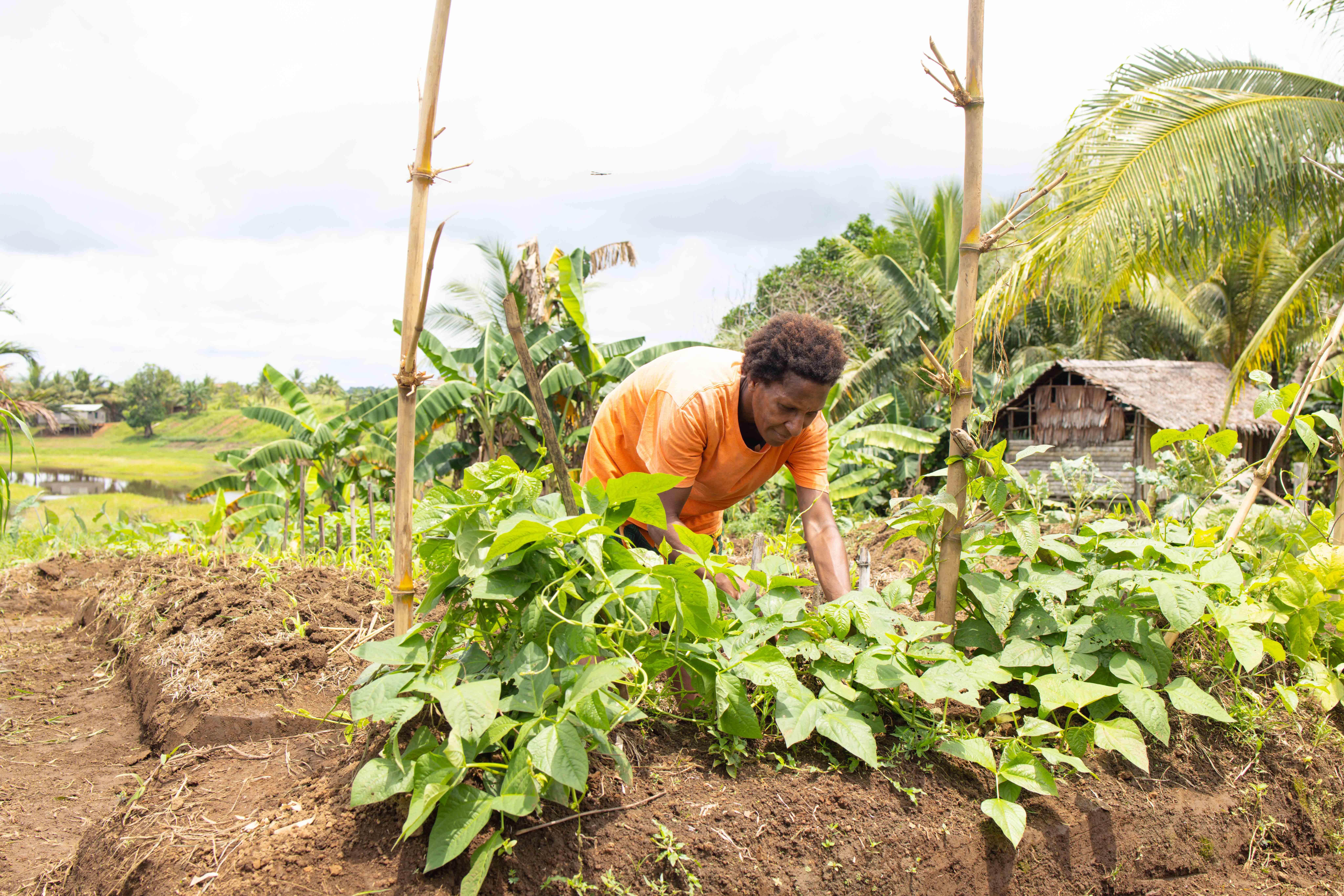
In Balimo, she learned practical, climate-resilient farming techniques designed for communities like hers. She discovered how mulching with dried leaves and grass protects and enriches the soil even under heavy rainfall; how planting with guide sticks stabilizes garden beds against floods and erosion; how timing crops strategically secures healthier, more reliable harvests; how thoughtful garden layout maximises production in limited spaces; and how soil conservation sustains fertility in waterlogged terrain. For the first time, she saw the fragility of old methods and recognised the potential of doing things differently.
Returning to Semabo, she did not resume life as before. Siwakato became a leader, a trainer, and a guide. Working alongside BEAN Project officers, she began training contact farmers across the community. At first, many neighbours were hesitant. Tradition runs deep, and change can feel risky.
“They asked me, will this really work here? I told them, let us try together and watch the soil answer. I learned that life is in the garden; our food, our health, and our income all come from there,” she reflects with a smile.
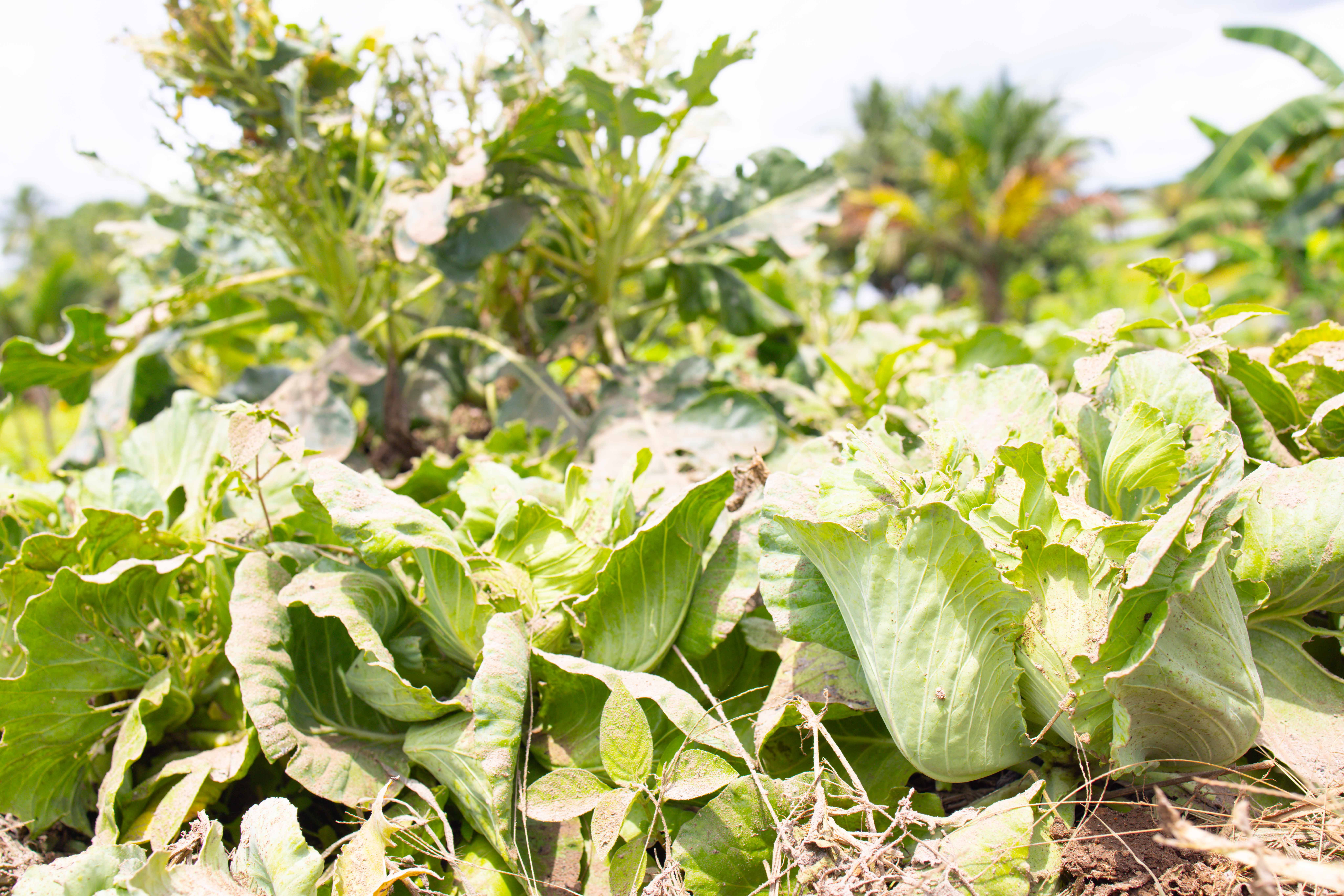

Families began mulching and protecting their garden beds. They experimented with new planting and harvesting methods. They introduced vegetable varieties previously unfamiliar to their land. Slowly, harvests improved, then improved again. Confidence took root alongside new seedlings. Households that had once struggled to prepare even a single complete meal saw their gardens producing surplus food. Some families began selling vegetables, earning small but meaningful income for school fees, household essentials, and new aspirations.
“We used to paddle to other villages to trade fish for sago,” Siwakato recalls. “Now we no longer go. Everything we need is growing in our gardens.”
As gardens flourished, a new understanding of nutrition took hold. During training, one insight struck her deeply: garden foods contain essential nutrients vital to a child’s brain development. She reshaped her family’s meals. Plates once dominated by sago, gave way to vibrant greens, diverse vegetables, and protein-rich crops grown just metres from her doorway.
Within two to three years, the change in her children was unmistakable: more energy, improved health, better concentration, and stronger academic performance.
“I saw my children sit up straight, read longer, and laugh more. When I cook from the garden, I feel like I am feeding their future,” she adds.
Beyond agriculture and nutrition, Siwakato’s story is also defined by caregiving. She is a full‑time caregiver to her four-year-old son, who has special needs and cannot walk. Before the BEAN Project, caregiving was heavy with uncertainty. Without suitable water storage, bathing, hydration, and hygienic meal preparation were extremely difficult.
Then came a turning point: the project provided 20-litre jerry cans specifically for families caring for children with disabilities. Overnight, caregiving found a foundation. She reserves the jerry can for her son’s needs alone, filling it with clean water from the well or community tank, bathing him comfortably, preparing his meals safely, and keeping him hydrated with dignity.
“This jerry can is for his needs only. It makes caring for him possible. Now, when I lift him to bathe, I feel at peace. Clean water is a small thing that changes everything,” she says.
Siwakato follows the daily nutrition guidance introduced by the project, turning support from a one-off intervention into a lived, sustainable practice. The ripple effect of her leadership is visible throughout Semabo. Malnutrition has begun to decline as families adopt climate-smart agriculture, plant backyard gardens, and cook healthier meals with confidence. Underweight and special needs children receive seedlings and targeted nutrition support. Across the village, gardens flourish year-round. You can see the transformation in the rhythm of daily life, in fuller plates, stronger bodies, and the light that has returned to children’s smiles. Families earn income from selling surplus produce. Households once dependent on sago now turn to diverse garden foods rich in vitamins and minerals.
Today, Siwakato stands tall, not only as a farmer but as a leader, teacher, caregiver, and role model. Her garden thrives season after season. Her children are healthier and thriving in school. Her son receives the dedicated care he deserves. And her community is moving steadily toward a healthier, more resilient future.
She speaks with gratitude about the knowledge she gained through the BEAN Project:
“When I walk through the village, I see green where there was brown,” she says. “I hear women discussing seedlings, and I know hope is taking root. What I did not know before, World Vision taught me. Now my family and my community have changed.” As Siwakato affirms, “Life is in the garden, and now, so is our future.”
Her journey carries a message that extends far beyond Semabo: with the right support, knowledge, and courage, one person can transform an entire community. In every raised bed and mulched row, in every shared meal and improved school report, a promise is taking root.