From Premature Birth to School: A Child's Journey Through Improved Neonatal Care

“Placed inside an incubator, Rizikia fought for every breath. Against all odds, she survived. Today, she is in school, dreaming of a brighter future. Her journey from incubator to classroom is living proof that timely intervention saves lives."
Read her story…
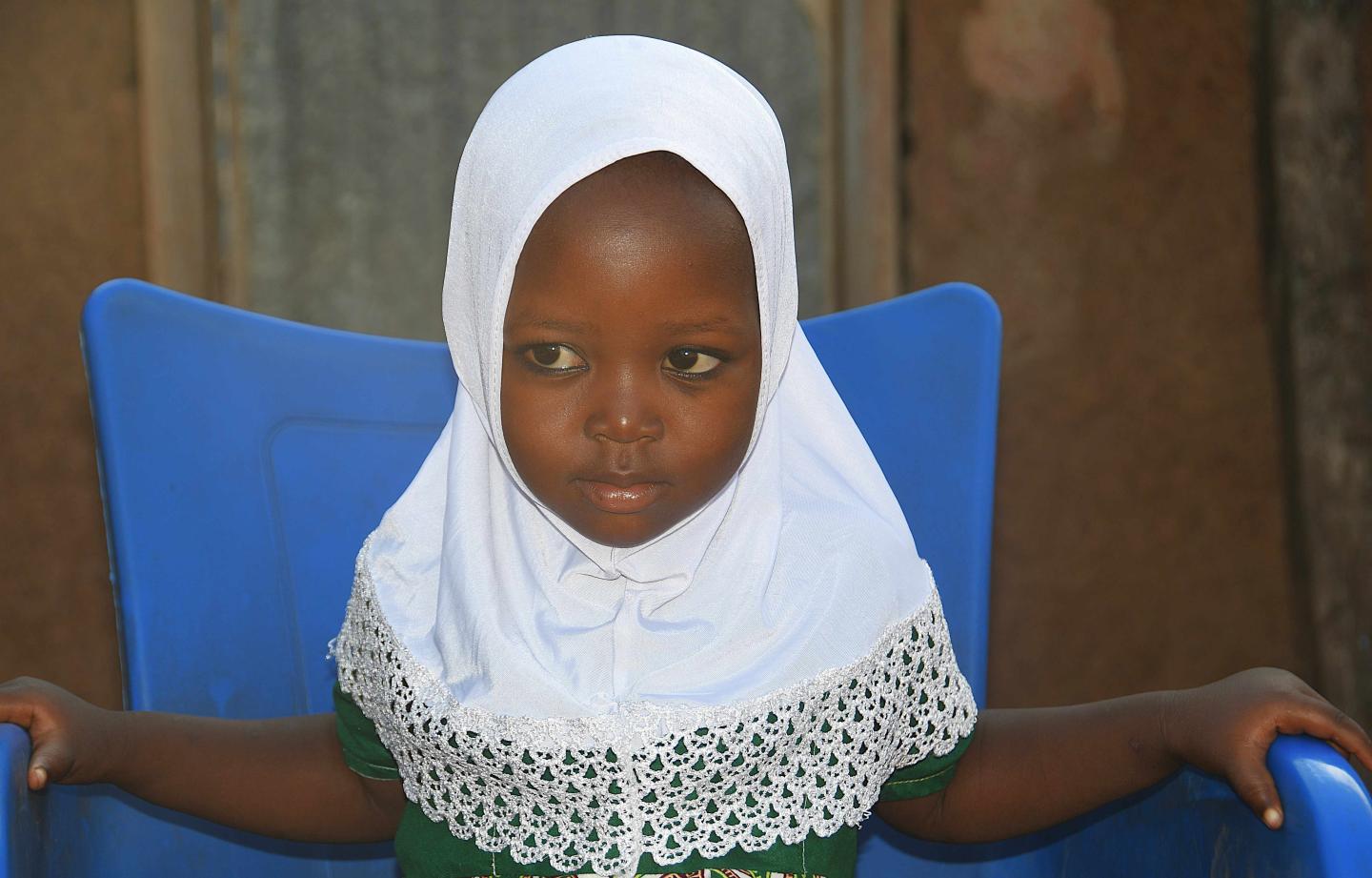
Rizikia Yakubu’s survival began with uncertainty. In the community where she was born, babies like her rarely lived beyond 24 hours due to the absence of life‑saving equipment. In Zabzugu District, access to specialised neonatal care was previously limited for many families in the district.Forpreterm babies like Rizikia, survival was almost impossible. Families prayed for miracles that never came, while health professionals fought tirelessly in the labour ward — but the odds were against them. Every day was a battle between life and loss.
For Rizikia’s mother, Sakina, aged 40, the experience was painfully familiar. She went into labour at just 37 weeks, already convinced she had lost her baby. Preterm death was not new to her — it was a lived reality for many women in her community.
“I was feeling sick, so I went to the hospital for a medical check‑up. For me, I knew I was not due to deliver because I was only 37 weeks pregnant. It was shocking to me when I went into labour,” Sakina recalls. “When the baby came out, she was too fragile, with a tiny body to cope with the harsh world outside the womb. Fear gripped me.”
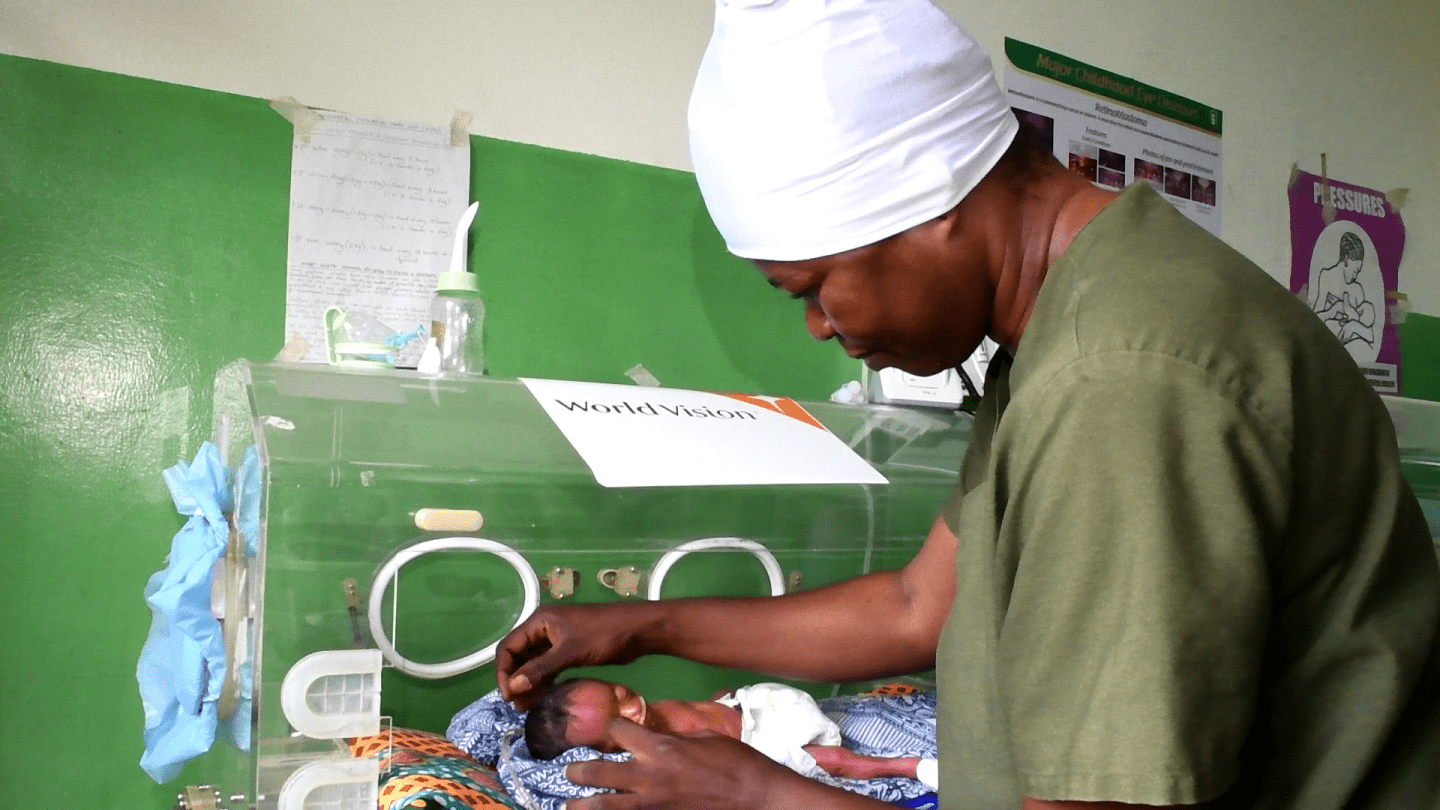
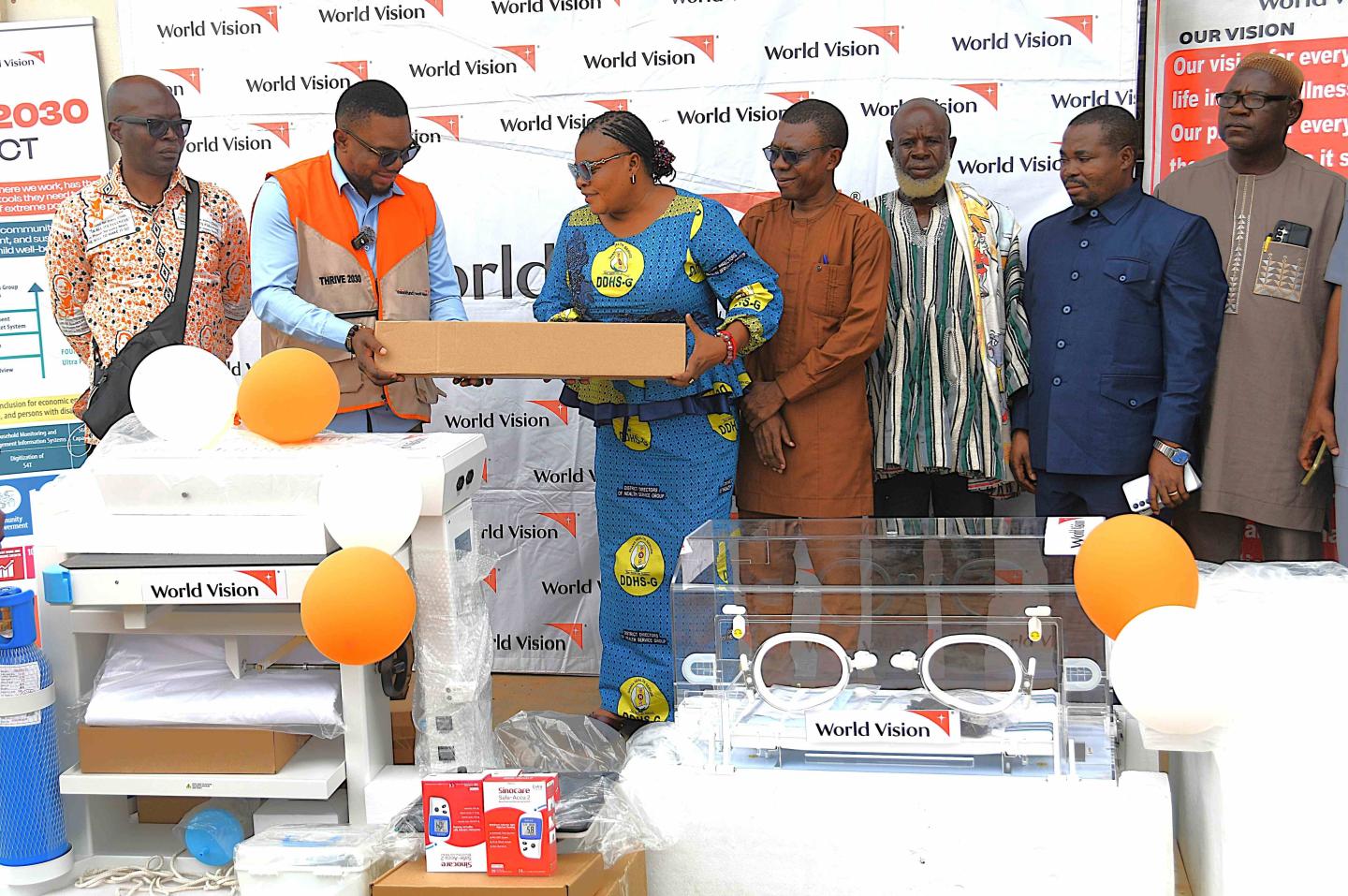
Health professionals rushed Rizikia’s tiny body into the Neonatal Intensive Care Unit (NICU) which had recently been equipped with specialised neonatal equipment, where World Vision had presented specialised neonatal equipment such as incubators, oxygen concentrators, glucometers, phototherapy machines, vital sign monitors, and weighing scales.
“I started weeping while I was being cleaned because I knew I had laboured in vain,” Sakina says.
After hours of anxiety, health professionals assured her that her baby had a fighting chance. “But I doubted them. Maybe they just wanted me to keep calm because I had just delivered,” she remembers.
Preterm babies like Rizikia, born in the Zabzugu and Tatale districts, face overwhelming odds — without specialised medical equipment, Preterm babies faced significant health risks where specialised equipment was unavailable. For families in rural Ghana, such as Zabzugu and Tatale Districts, this reality was heartbreaking.
Thankfully, at the time of Rizikia’s premature birth, hope was already waiting. World Vision Ghana, through World Vision Spain, had equipped Zabzugu Hospital with incubators and oxygen concentrators, among other essential life-saving equipment. The equipment has strengthened the hospital's capacity to provide neonatal care, providing fragile babies with a fighting chance.
Survival Against All Odds
The Future
Today, Rizikia is in school, looking forward to a brighter future. Her journey from incubator to classroom is a living testimony that timely access to specialised neonatal care can improve survival outcomes for preterm babies. She dreams, learns, and grows — because hope is made real through action.
The Impact
Over 450 preterm babies have survived since the equipment was installed.
- Families now have greater confidence that specialised care is available when newborns require additional support.
- Health workers now have improved capacity to provide care for vulnerable newborns.
Rizikia is not just a survivor. She is a story of hope, resilience, and the power of partnership. Her journey reminds us that when communities, donors, and organisations come together, the safety and dignity of children become not just a promise, but a reality.
For World Vision Ghana’s Zabzugu Area Development Manager, Joseph Kwogyenga, this intervention is not only part of World Vision’s commitment to reducing under‑five mortality to zero but also to providing a better future for all children.
Zabzugu and Tatale districts remain among the highest‑risk areas for infants, especially premature babies, contributing significantly to the Northern Region’s under‑five mortality rate of 37%. This alarming figure threatens progress towards Sustainable Development Goal 3: ensuring healthy lives and promoting well-being for all ages.
By strengthening neonatal care, this donation offers fragile newborns a fighting chance at survival and reinforces Ghana’s broader commitment to safeguarding child health.