
Donor Generosity Saves Preterm Babies at Zabzugu Hospital

In the Zabzugu District Hospital, the cry of a newborn was once a sound filled with uncertainty. For preterm babies, survival was almost impossible. For families whose babies arrived too soon, that first cry often signalled the beginning of an emotional storm—one marked by anxiety, fear, and heartbreak. Many prayed for miracles that never came.
A Daily Battle Between Life and Loss
For mothers, the emotional toll was devastating. They watched their newborns gasp for breath, their tiny chests rising and falling with painful effort. Time was cruel, and the nights felt endless.
“I kept praying, ‘God, please let my baby stay with me.’ But each minute felt like I was losing him. I could only hold him and cry,” shares Anifatu, a mother whose son was born at just eight months.
Health workers improvised tirelessly—teaching mothers to warm their babies with body heat using what is known as kangaroo care.
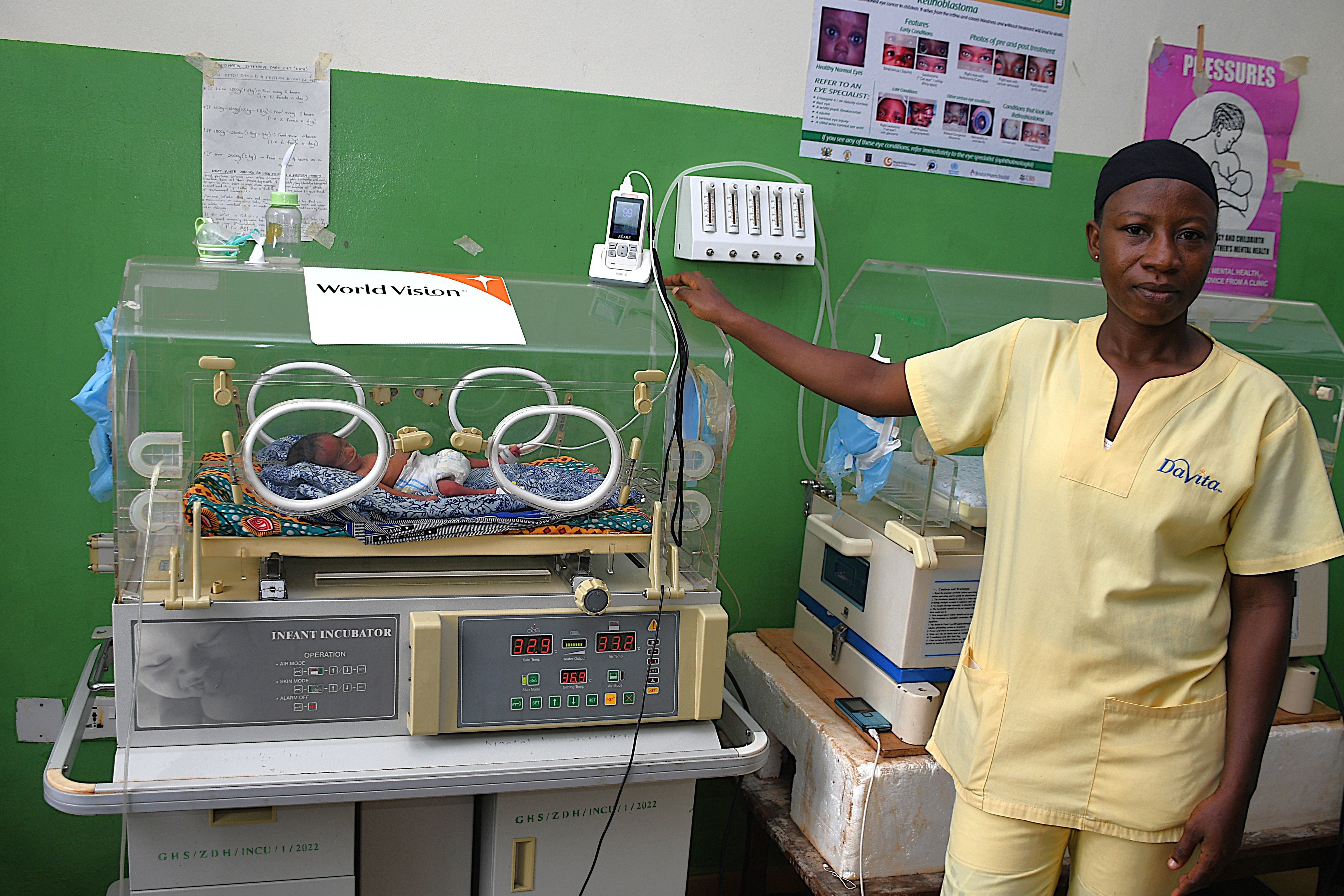
Preterm babies, fragile and barely strong enough to breathe, faced the harshest odds. With no essential life‑saving equipment—incubators, phototherapy machines, oxygen concentrators, and other critical devices—survival was almost impossible.
“We did everything we could with our hands and our hearts. But sometimes, love alone wasn’t enough. We needed equipment to give these fragile babies a chance to live,” recalls Abukari Mariam, a health worker at Zabzugu District Hospital.
Every day was a battle between life and loss. In the delivery ward, health personnel wrestled with time as tiny lives struggled for survival.
For Dr Baramah of Zabzugu Hospital, the remedy was simple: having enough modern incubators, phototherapy machines, oxygen concentrators, and other essential equipment. However, these were non-existent.
“We were trained to save lives, yet we stood helpless as some slipped away. It affected our minds and our spirits. We carried the loss home with us every day,” he says.
From the labour room to the neonatal unit, sadness was louder than hope. Families prayed, and mothers sobbed in pain, unable to take their babies home immediately.
The worst cases were babies born with jaundice. With no incubators, no phototherapy machines, and no oxygen concentrators, these fragile lives had little chance of survival.
The only immediate solution was referral to Yendi or Tamale—sparking waves of anxiety as parents struggled with transport and financial burdens.
Then Came Hope
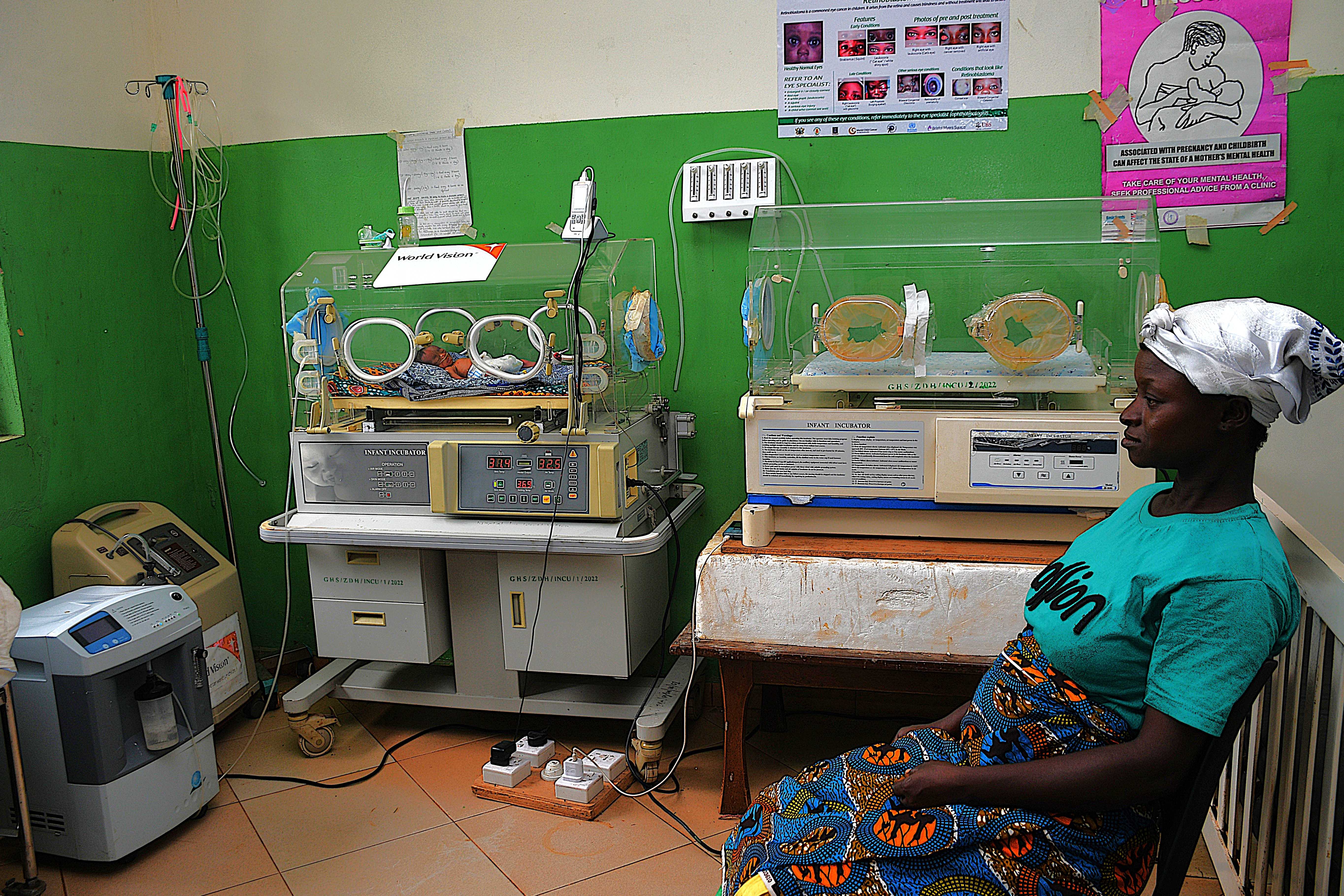
Hope arrived through the generosity of Spanish donors and World Vision Ghana. Life‑saving equipment—modern incubators and oxygen concentrators—brought light where there had been darkness. For the first time, fragile babies had a fighting chance.
Joseph Kwengenga, World Vision Ghana’s Zabzugu Area Programme Manager, explains:
“We heard the stories of loss, sadness, and emotional distress—mothers losing babies and the impact it had on families. Through the generosity of Spanish donors, a miracle came in the form of an incubator and oxygen concentrators.”
“When we unboxed the incubator, the whole ward cheered. It felt like light had finally entered a dark room,” a nurse remembers, smiling.
For the first time, premature babies had a fighting chance. “We knew this wasn’t just equipment—we were delivering hope. We were giving families a reason to believe again,” Joseph adds.
Lives Saved, Hearts Restored
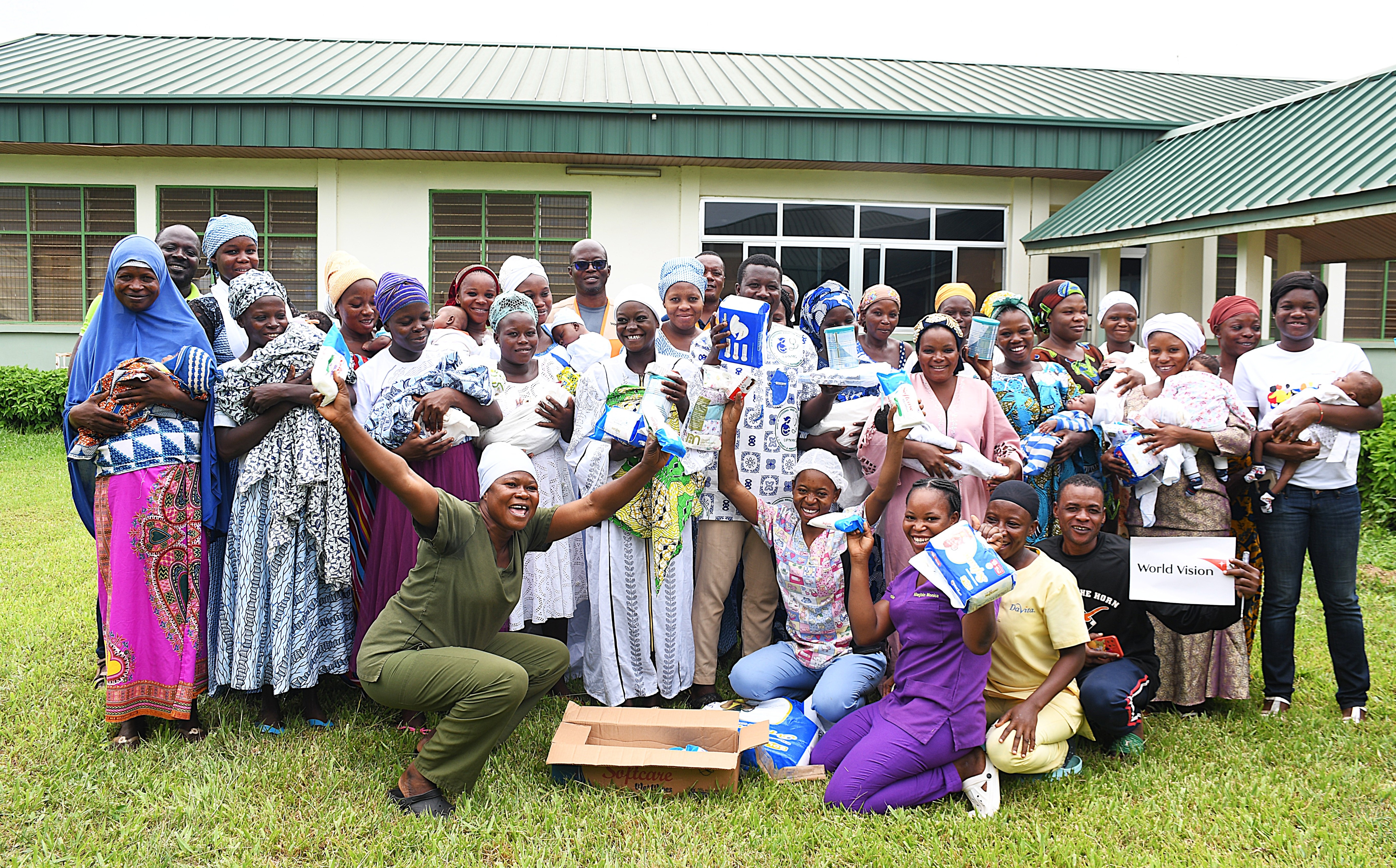
Today, more than 120 preterm babies have been given a second chance at life. A mother's smile again. Families rejoice. A community celebrates hope.
“My daughter wouldn’t be alive today without the incubator. I look at her and I see a miracle. I see the people who chose to help us,” says Amina with gratitude.
Because of World Vision’s support, families now leave the hospital with joy rather than grief. Nurses walk through the neonatal corner with renewed confidence.