
Reaching the unreachable: how mobile clinics transformed access to care in Gaya
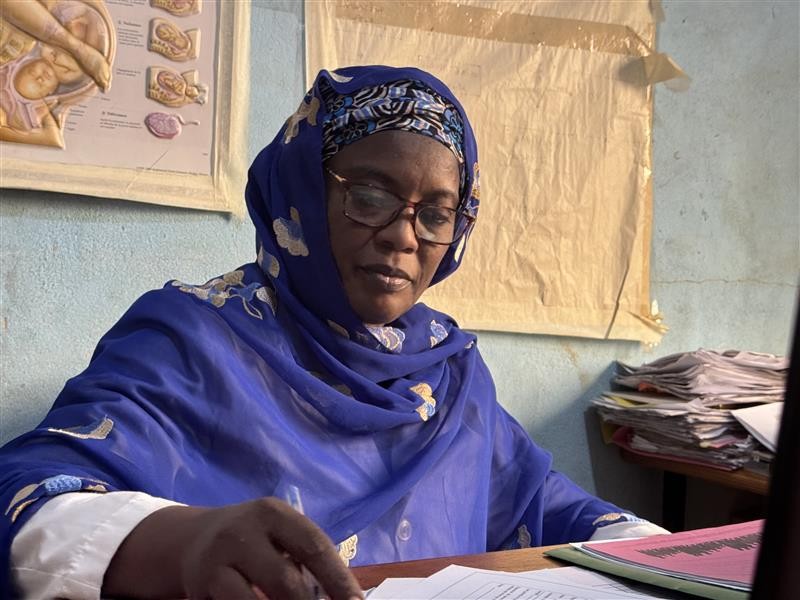
Before the project, access to healthcare in the Gaya area was severely constrained. Many villages were isolated, forcing vulnerable families to walk long distances, sometimes for several hours to reach the nearest health centers in Tounouga or Gaya. With limited medical supplies and only two small health posts in Sakongui birni and Tanda Koira Zeno, many people arrived too late to receive proper care. Seasonal floods in Dosso and Tillaberi further worsened the situation, cutting off villages and leaving thousands without essential health services.
For Mrs. EDUI Ramatou, Head of the Gaya 2 Health Center, access to care has greatly improved across the 16 villages she oversees. Malaria, diarrhea, and respiratory infections are still common, but before the project, health workers had limited supplies, and remote communities depended on small posts in Sakongui birni and Tanda Koira Zeno.
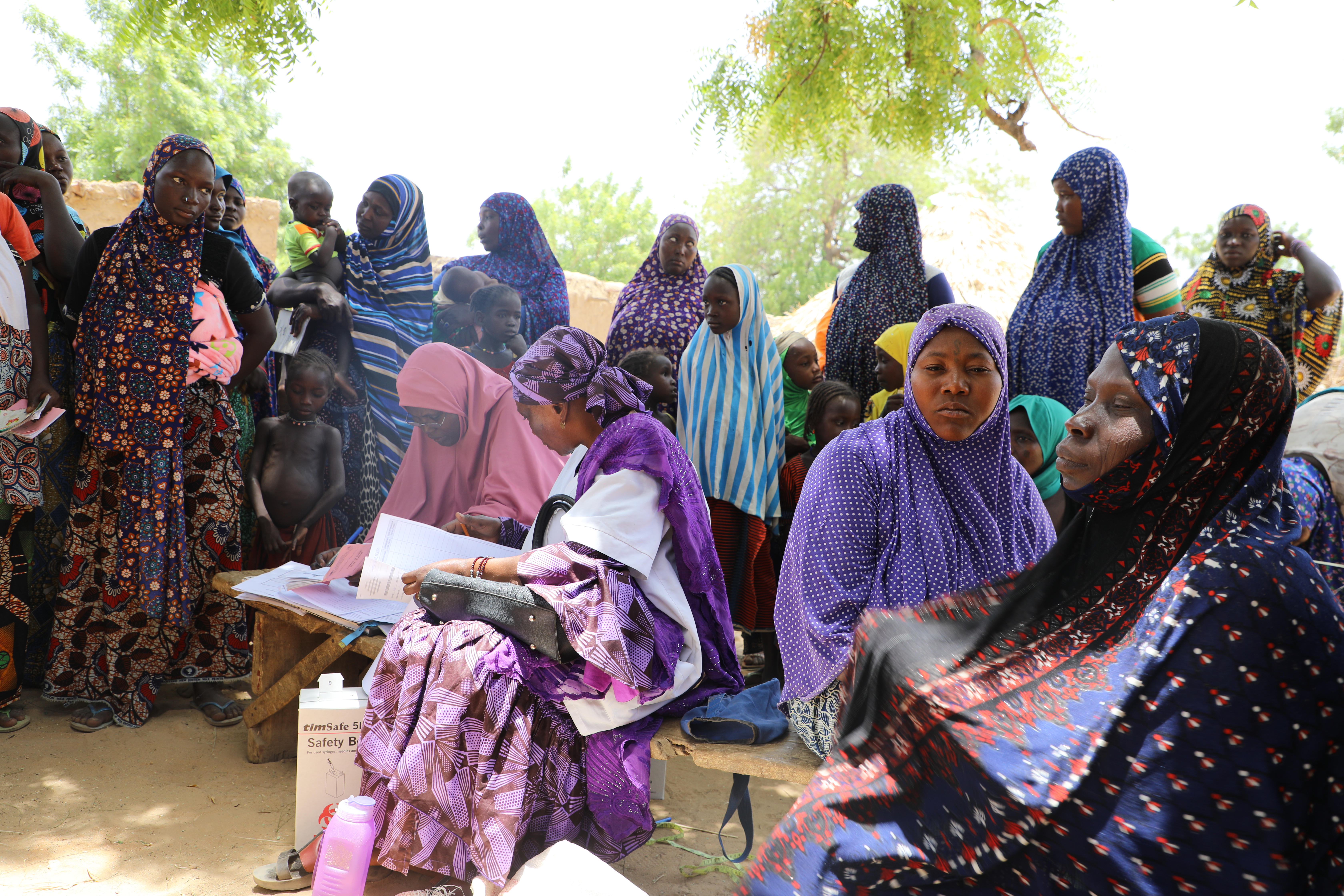
Frequent floods in Dosso and Tillaberi cut communities off from health services. In response, WHO supported the “Anticipatory health assistance for at‑risk and flood‑affected populations” project, implemented by World Vision Niger and ISCV. Completed in May 2025, the project brought major relief.
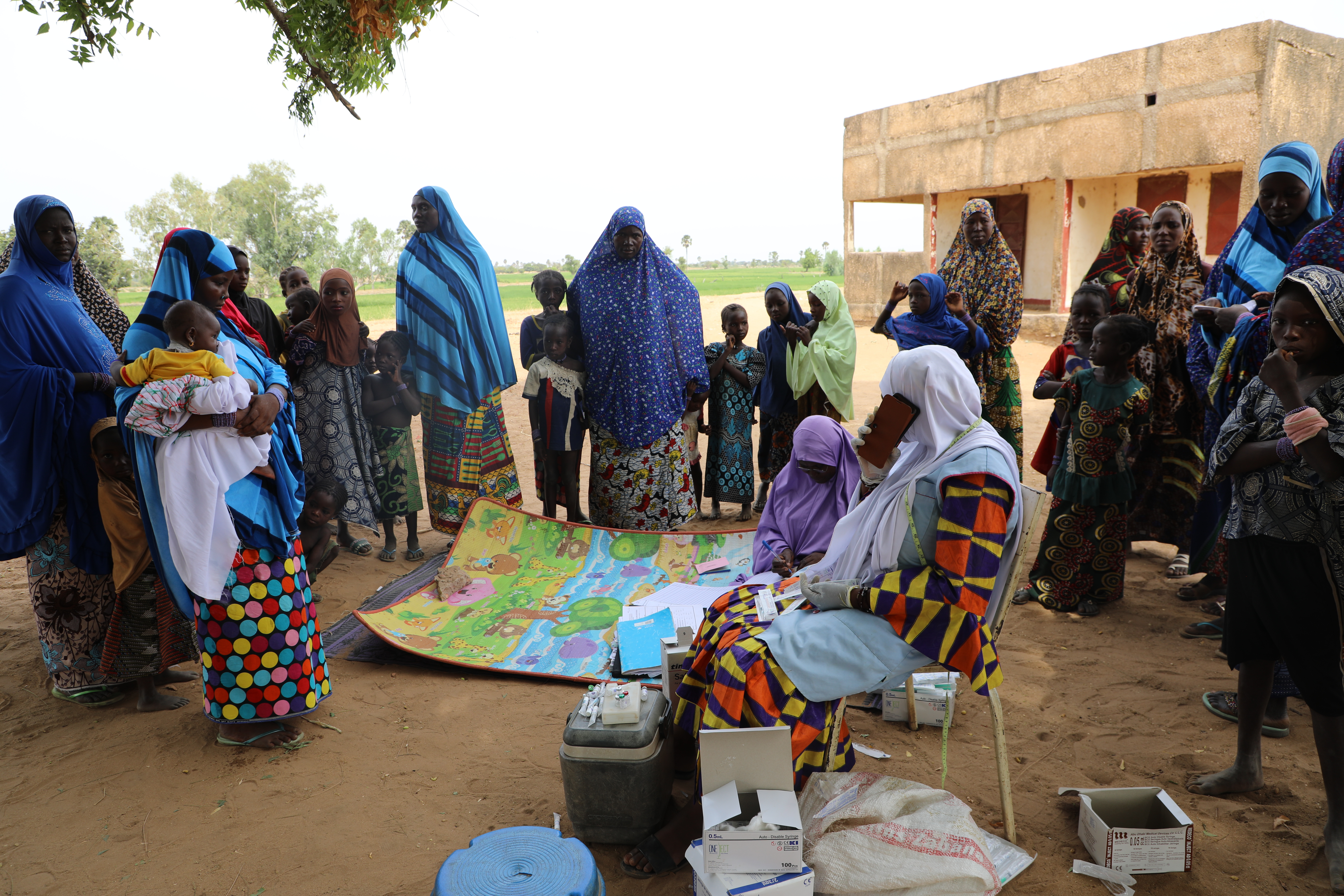
“With the mobile clinics, patients were treated directly in the villages. They came in large numbers without any constraints,” says Mrs. Ramatou.
Consultations jumped from 1,000 to 1,800 per month. Trained community health workers played a key role by informing communities, detecting cases, and supporting patients.
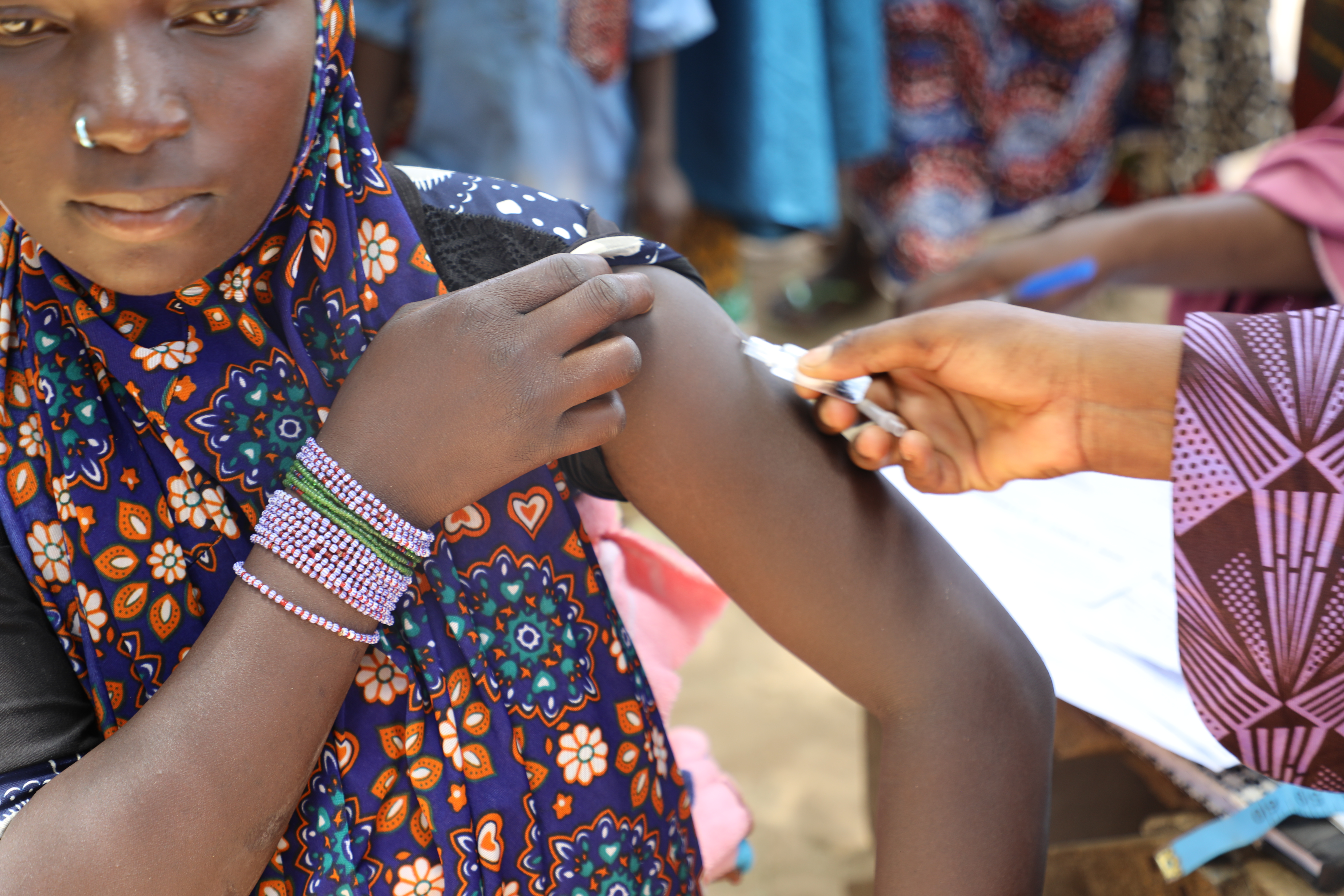
For Djamé, a 25‑year‑old mother, the change was transformative: “Before, we walked to Tounouga or Gaya for treatment, and we weren’t always seen because we arrived late. Now everyone benefits pregnant women, the elderly, and children get timely care. We are truly happy. Thank you to the donors.”
Although the first project ended in May 2025, its positive effects remained. With continued flood risks, a new phase followed through the “Strengthening Health Resilience to Floods in Vulnerable Communes of Dosso and Tillaberi” project.
Communities hope the support continues: “We hope to receive essential medicines again, especially antibiotics. And iron tablets for pregnant women are also a big need,” notes Mrs. Ramatou.
Grateful for the assistance, she adds: “Donor support has truly improved care for our people, and we still rely on it.”
From increased consultations to easier access for pregnant women, older people, and children, mobile clinics have strengthened the resilience of some of Niger’s most vulnerable communities showing how early action and strong community engagement can save lives.