
REACH Family Centre Takes Flight as an Independent NGO in Vanuatu

As we step into 2026, the landscape of community-led protection in Vanuatu has reached a historic milestone. What began a decade ago as a hopeful seed planted by faith leaders and counsellors in Santo has officially blossomed into a fully independent, Vanuatu-led institution: the REACH Family Centre.
The formal handover from World Vision Vanuatu, which took place on December 3rd, was more than just a transition of management; it was a powerful statement on the strength of local leadership. The ceremony, deeply rooted in custom and faith, saw the passing of the nakamal stick—a traditional symbol of authority—signalling that the mission to end family violence is now firmly in the hands of the community that built it.
For children and communities of Vanuatu, this independence ensures that the support systems they rely on are permanent, culturally resonant, and locally driven. In 2025 alone, the centre provided a lifeline to over 2,300 individuals. Critically, more than one thousand of those served were women and children, seeking safety, counselling, and a path toward healing.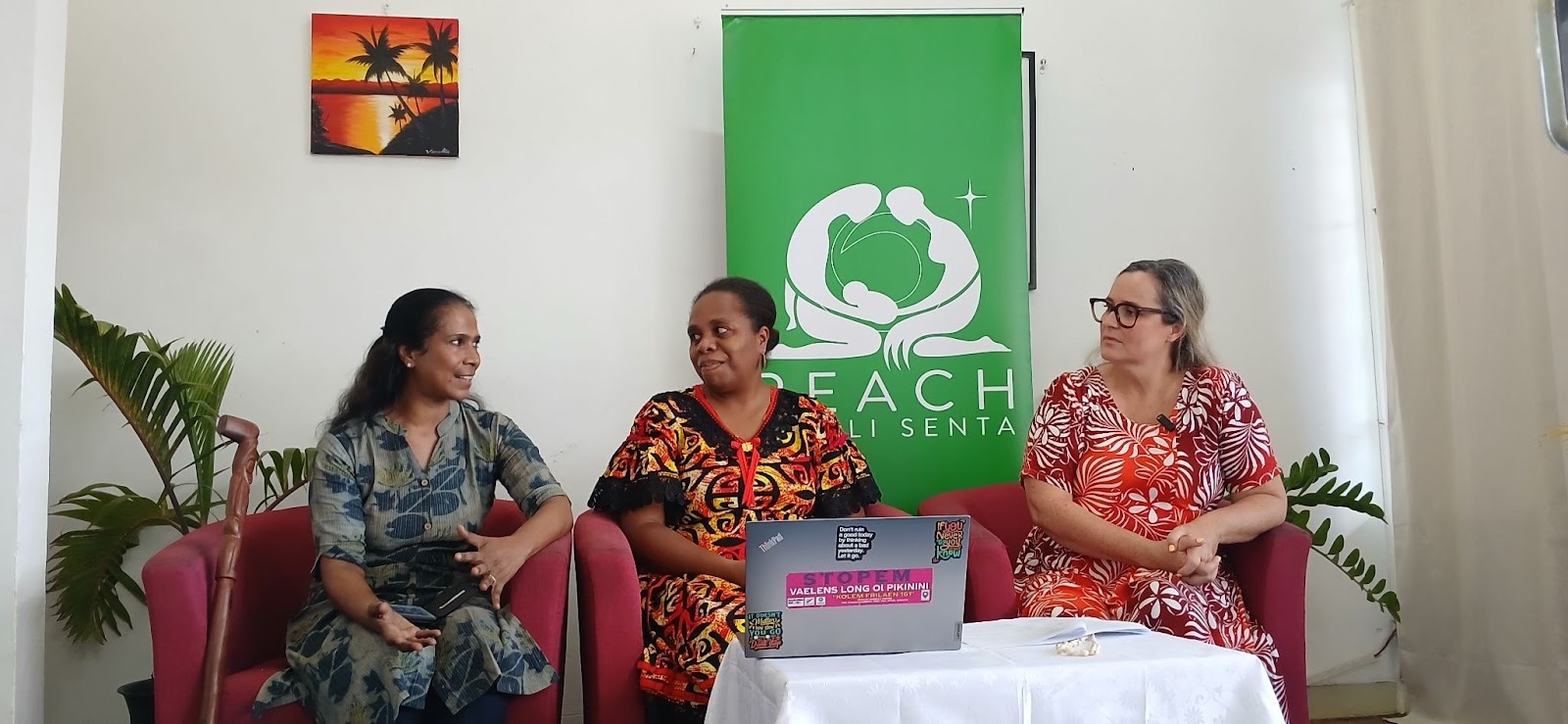
Incoming Executive Director Shanna Ligo takes the helm at a pivotal time. The centre is not just a place for crisis management; it is a pioneer in prevention. Its "Men Be the Change" program—the first of its kind in the Pacific—continues to tackle the root causes of violence by working with men on behavioural transformation. By addressing these cycles of harm at the source, REACH is creating a safer world for the next generation of youth to grow up in.
Asuntha Charles, National Director for World Vision Solomon Islands and Vanuatu, reflected on the handover through the lens of legacy, likening it to the biblical transition from Moses to Joshua. “This shift represents the ultimate goal of international partnership: to empower local capacity until it can not only stand alone but bring much more impact than ever before,” she added.
As we look ahead through 2026, the REACH Family Centre stands as a pillar of hope. It proves that when local experts are given the resources and the agency to lead, the resulting institutions are more resilient and more attuned to the needs of the families they serve. For every child who walked through their doors last year seeking safety, this new chapter as an independent NGO is a promise that the door will remain open, the lights will stay on, and the community will continue to protect its own.
This article was prepared with contributions from World Vision South Asia and Pacific interns: Harvey Josh Fernandez and Mary Rose Caliag, BS Development Communication students from Central Luzon State University, based in the Philippines.