
Visible and Undeniable: Validating Women’s Leadership, Dignity, Voice, and Agency in Rural South Asia through Natural Farming Research

- Evidence-Based Impact: A joint World Vision and Monash University study proves that natural farming in Bangladesh and Sri Lanka restores both soil health and women’s leadership.
- Empowerment in Action: Led by Dr Anjana Purkayastha and Associate Professor Jagjit Plahe, research with 113 farmers reveals women are moving from the margins to become primary financial decision-makers.
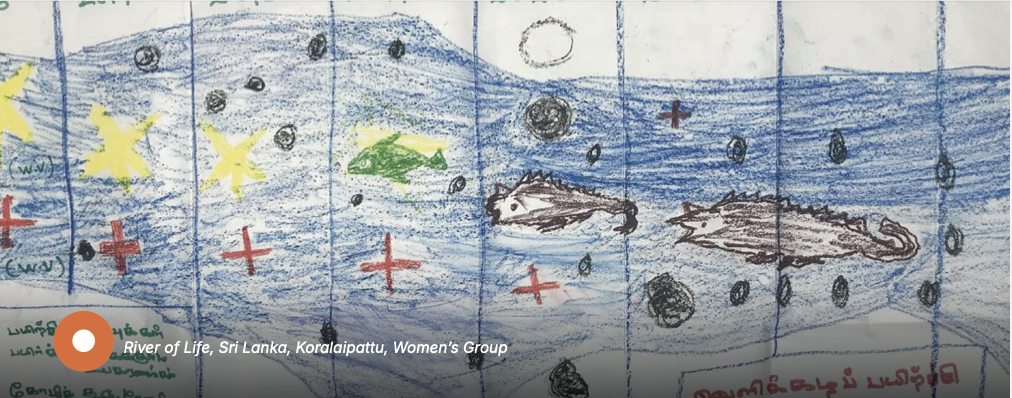
- Narrative Insights: By using the "River of Life" tool to listen to the natural farming experiences of women, this DFAT-funded research captures the "lived and felt" empowerment necessary for a true Humanitarian Reset.
By Dr. Anjana Purkayastha, Program Quality Advisor, World Vision South Asia and Pacific
For me, research is an act of recognition. It is how we pause, listen, and place women where they have always belonged: at the centre of change.
World Vision South Asia and Pacific places GEDSI (Gender Equality, Disability and Social Inclusion) at the heart of everything we do. When this research on Natural Farming was first conceptualised, a deliberate decision was made to centre gender as a core theme, and rightly so, because natural farming, women’s empowerment, and climate resilience are deeply interconnected.
We are pleased to share the findings of our DFAT-funded study, “Building Gender Empowerment and Climate Resilience through Natural Farming: A grounded perspective from Bangladesh and Sri Lanka 2025.” In this work, research is not about data alone; it is about visibility. It captures the quiet but powerful shifts where women are deciding what to cultivate, managing farm economics, and shaping community conversations.
Research helps me move beyond assumptions. It asks: Who holds power? Who benefits? Who leads? In doing so, it reframes women not as mere beneficiaries of natural farming, but as its protagonists, innovators, and custodians of ecological wisdom.
From Soil Health to Social Agency: Lessons from the Field
The study captures a moving story of change from rural Bangladesh and Sri Lanka. More than an agriculture project, this work reveals how women, many of whom started with limited agency and heavy workloads, are now stepping into confidence and financial independence. Natural farming has not only improved soil health; it has helped restore dignity, voice, and agency.
To capture this, we utilised Joyce Mercer’s “River of Life.” This reflective and narrative tool allowed 113 women and men to share their stories in a way that felt natural, visual, and personal. What stood out most was how quickly participants embraced the method. Once introduced, they made it their own: drawing, narrating, and analysing their journeys with a sense of ownership.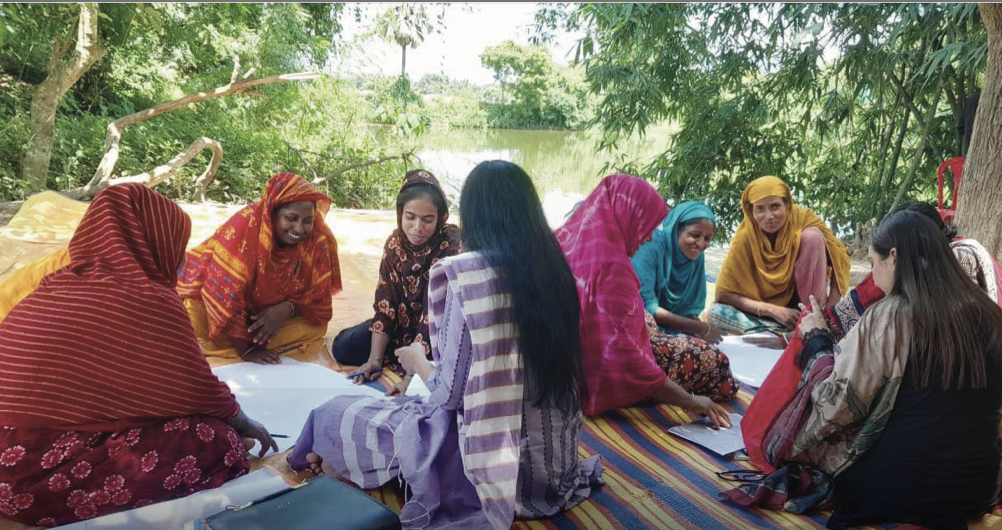 What communities told us
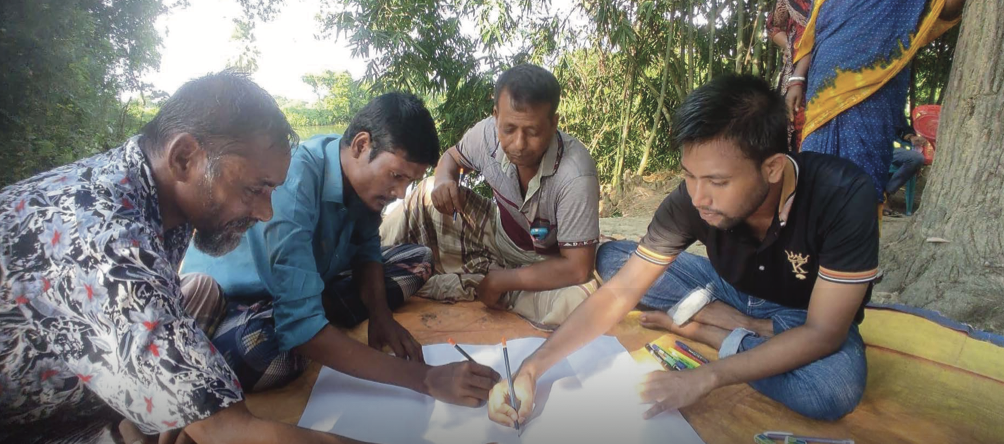
During the transcription of discussions in Bangladesh, several powerful themes emerged, especially from men. Their voices revealed a shift that is often hard to capture in quantitative studies.
Men expressed pride in the women practising natural farming, noting that their participation benefits the entire family. Importantly, men acknowledged that because women received training first, they became the ones encouraging others, including men, to try natural farming. This signals a meaningful change: women are not only participating but also influencing community decisions.
Why evidence matters
This study reinforces why grounded, participatory research is essential. It ensures that the people most affected, women farmers, shape how we understand change.
If we are serious about a Humanitarian Reset and true systems change, we must continue to invest in research that honours community knowledge and centres women’s voices. The stories from Bangladesh and Sri Lanka remind us that real transformation begins when women gain the power to lead, not because we ask them to, but because the environment finally allows them to.
This study is a testament to that journey.
Anjana Purkayastha brings in years of experience in the development industry with special reference to Field Operations, including Urban Programming, Program Quality, Research & Strategy. Her more recent research experience is on Urban Resettlements and Gender Resilience. Some of her research interests include natural farming, cities & food and migration in the South Asia and Pacific region.