article / August 21, 2026
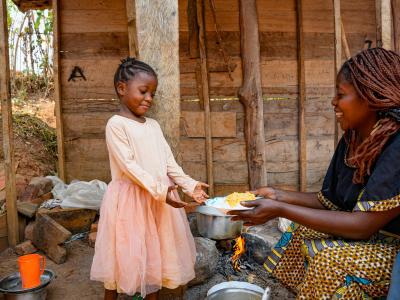
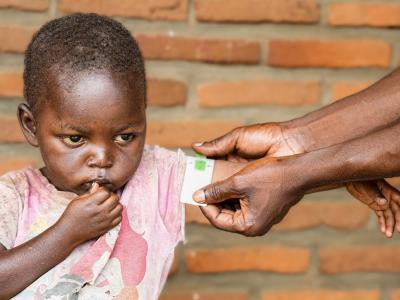
DR Congo: When War Overtakes Healing but Hope Prevails: The Story of GAKURU
GAKURU’s story illustrates the devastating impact of conflict and displacement on children facing malnutrition in eastern Democratic Republic of the Congo. After recovering from severe acute malnutrition with support from World Vision, two-year-old GAKURU was forced to flee with his family when violence swept through his village, leading to a relapse. Through continued nutritional support and follow-up care, he eventually recovered. His journey highlights the resilience of children and families living through crisis, while showing how World Vision’s Nexus Accelerator Fund continues to provide life-saving nutrition support in hard-to-reach and conflict-affected communities.
publication / May 25, 2026
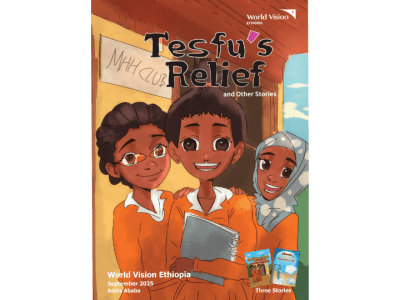
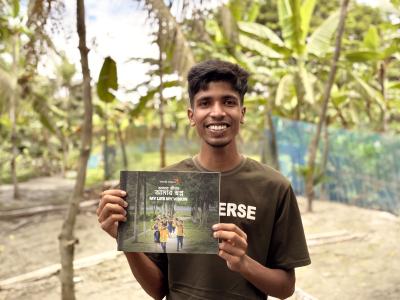
Tesfu’s Relief and Other Stories
Download World Vision Ethiopia’s menstrual health and hygiene awareness comic book, designed to spark safe, informed conversations in communities.
article / August 24, 2026
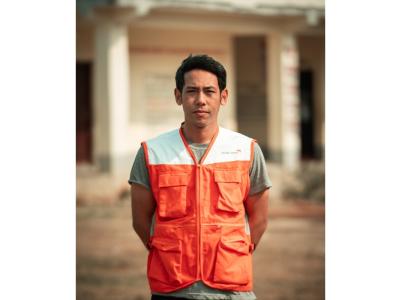
Storytelling Beyond the Headlines
Not all stories make the headlines. Through conversations with children and communities affected by crises, Binod Thapa Magar reflects on the moments that continue to shape his journey as a humanitarian storyteller.
video / August 26, 2026
From Financial Struggles to a Thriving Farmer
At 31, Busisiwe is building a brighter future through farming after experiencing pregnancy as a teenager. Supported by World Vision’s HIV prevention project and Youth Enterprise Revolving Fund, she is strengthening her livelihood and economic independence.
video / August 26, 2026
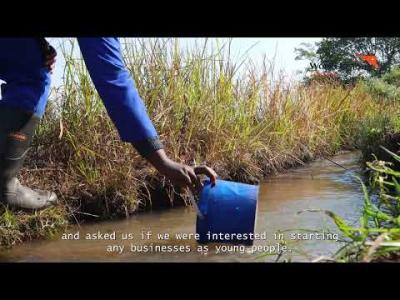
Ebola in the DRC: Why This Outbreak Is So Difficult to Combat
The Ebola crisis you remember was back in 2014 in Sierra Leone, Guinea, and Liberia. But the current one in the DRC is actually growing far faster than that one did.
Ebola has faded out of the news because there's been a lot of news to tell and limited time to tell it, but also because the story is hard to put into headlines. It's wrapped in complex layers of history, traditions, and systemic failure that have combined to make everything worse.
So Chirs Montgomery has put together this video to better understand what makes Ebola so hard to combat in the Democratic Republic of Congo.

article / August 24, 2026
How Education Helped Durjoy Turn Hardship into Hope
Durjoy, our sponsored child from Bagerhat, overcame hardship to achieve GPA 5 in his SSC examination and pursue his dream of becoming an engineer. His story reflects how World Vision’s Sponsorship programme is helping transform the lives of thousands of children and families.
publication / June 1, 2026
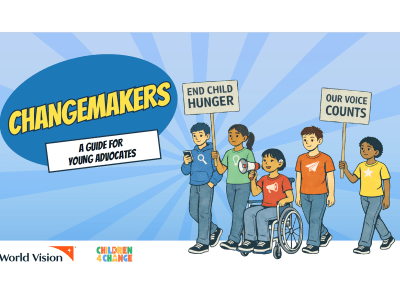
Changemakers - A guide for young advocates
Part of the Changemakers Digital Package, this resource helps young advocates understand advocacy and take safe, inclusive action through activities and steps.
article / August 24, 2026
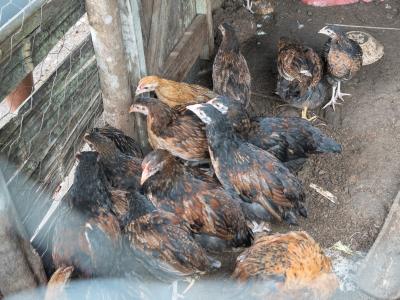
Raising chickens, raising hope: Mamalade Youth build a brighter future
A member of the Mamalade Community youth group stands outside the poultry house holding one of the chickens raised through the youth-led poultry project. Photo: World Vision Solomon Islands.
article / August 25, 2026
Two Meals a Day: MALIYETU’s Fight to Keep 16 Children Fed
After losing her home to the devastating Bushushu landslides and later fleeing conflict in Kalehe, 37-year-old MALIYETU struggles to provide for the 16 children in her care. With her husband out of work and the family surviving on just one meal a day, food assistance from WFP and World Vision has become a vital lifeline. Her story highlights the resilience of displaced families in eastern DRC and the power of humanitarian assistance to restore dignity, prevent malnutrition and give vulnerable households hope for a more secure future.