
From a Two-Kilometer Walk to Safe Water at Home: Fatema’s Story from Ramu

For nearly 30 years, Fatema Begum’s daily routine in her village in Ramu, began with a long walk for water. With no tube well in the area, the 50-year-old mother walked almost a kilometre every day carrying pitchers. Some days she returned exhausted. Other days, she returned with empty hands when access to water was refused.
Fatema (50 years) remembers the weight of those years. Every day meant a two-kilometre round trip to a neighbouring village, balanced on steep, treacherous paths. Sometimes she returned with water; other times, she returned in tears after being turned away by well owners.
The water she managed to bring home was often unsafe. Illness was frequent, and whatever little the family earned went into treatment. At one point, her younger son left school after grade five to help her carry water. Pregnant women risked their lives on slippery slopes, while those too frail to walk the distance drank from contaminated ponds. For Fatema and many others in the village, this struggle slowly became part of normal life.
Then, in 2023, the tide turned. Through the World Vision Bangladesh IWR Project, funded by the Government of Japan, the community finally found their voice. They didn’t just ask for help; they organised. By November 2024, a deep submersible pump began humming in the heart of the village.
Today, 307 people have safe water at their doorstep. But while the physical change is a pump and a pipe, the human change is profound. Fatema’s days are no longer measured in miles. Children are back in classrooms, and the crushing cycle of illness has broken.
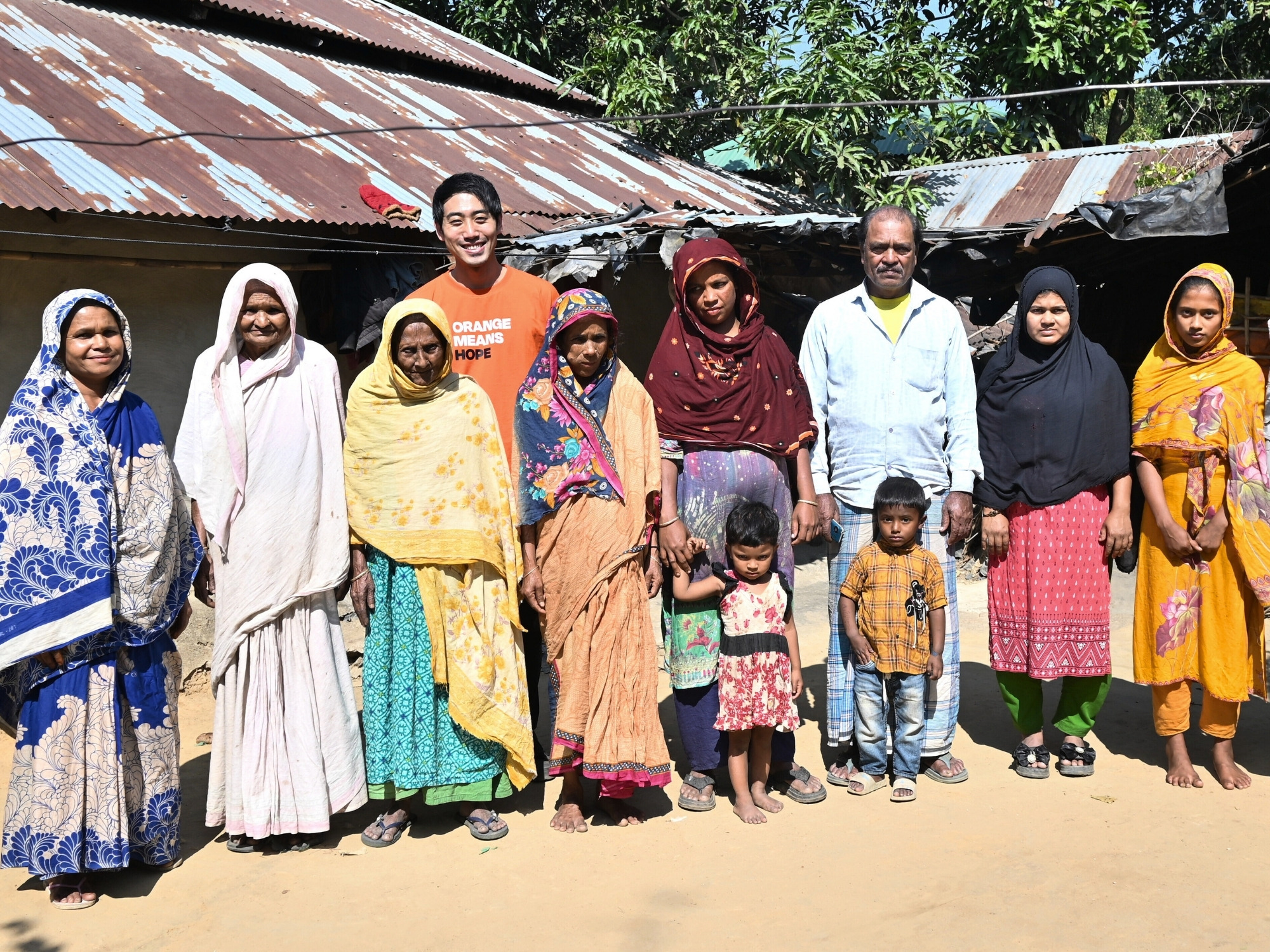
However, the most remarkable part of the story isn't the water itself—it’s what happened next. The villagers formed a Water Management Committee, opening a bank account and contributing 50 takas monthly for maintenance. They have already saved 30,000 takas. Now, they are dreaming of a Cooperative Society to fund education for vulnerable children and ensure total sanitation.
They went looking for water, but they found something much more durable: their own collective power. For Fatema and her neighbours, the pump didn’t just quench thirst; it fueled their future.