
Christmas Amid War: The Mental Toll on Ukrainian Children

“I always thought it would be so cool if the war could end on my birthday, just like it began. My birthday is on February 24th”
Little Sofia, 8, from Kyiv, remembers the day the war began vividly. “I don’t tell many people this, but when I was five, on my birthday, the war started,” she says. “I always thought it would be so cool if the war could end on my birthday, just like it began. My birthday is on February 24th.”
Sofia’s story reflects a harsh reality: over 70% of Ukrainians have experienced war-related trauma, with many showing symptoms of anxiety and depression.
“Prolonged exposure to extreme stress can have long-term effects on children’s physical health, emotional stability, and ability to connect with others. For many, the damage is not temporary; it can reshape the very foundations of childhood,” share Anna, a psychologist at the World Vision-supported Child Friendly Space (CFS) in Kyiv.
“I miss the peaceful life and the sea, now full of mines, and the village where my great-grandma lives.”
World Vision, together with local partners, is working to provide child-centred, community-based Mental Health and Psychosocial Support (MHPSS) across Ukraine. Safe havens, particularly Child Friendly Spaces (CFSs), offer critical relief. One such space in Kyiv, run by Arms of Mercy and funded by Aktion Deutschland Hilft, brings children together four times a week for non-formal education, psychological support, and therapeutic activities.
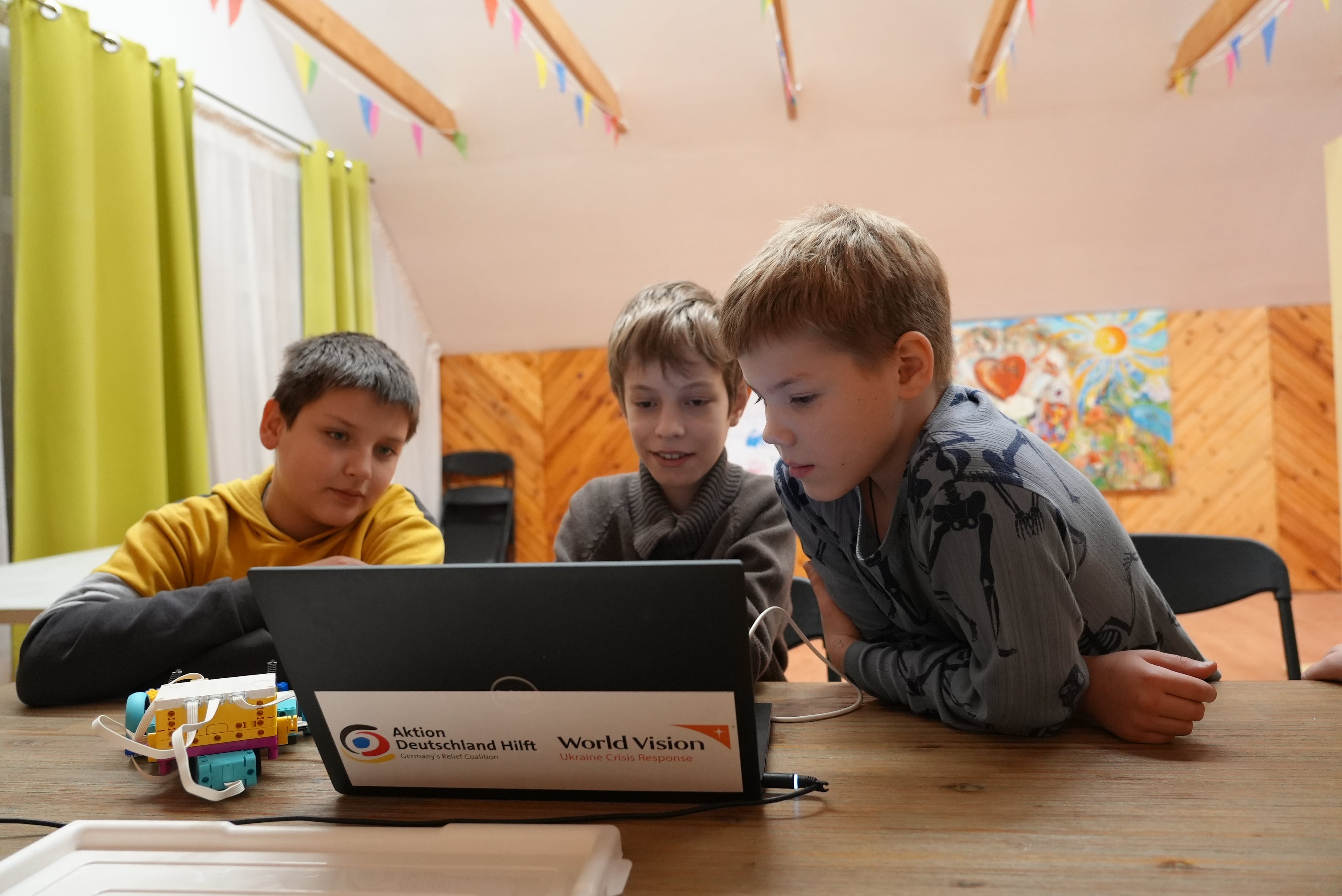
Anna, psychologist, explains: “We see children who are internally displaced, many whose parents serve in the military, and others who simply need psychological support. This is a place where they can just be themselves, express joy or sadness, and feel safe.”
Sessions focus on understanding emotions, building coping skills, exploring family dynamics, and fostering resilience. Play, collaborative problem-solving, and open dialogue help children reconnect with themselves and each other.
Children continue to feel the effects of war on their daily lives. Ten-year-old Artem from Kharkiv said: “I wish the war is over and I come back to my native city Kharkiv. I haven’t been there for more than two years.”
Eight-year-old Mark from Kyiv added: “I wish the war would stop, and nobody would fight anymore.”
Nine-year-old Maksym from Mykolaiv spoke of lost places: “I miss the peaceful life and the sea, now full of mines, and the village where my great-grandma lives.”
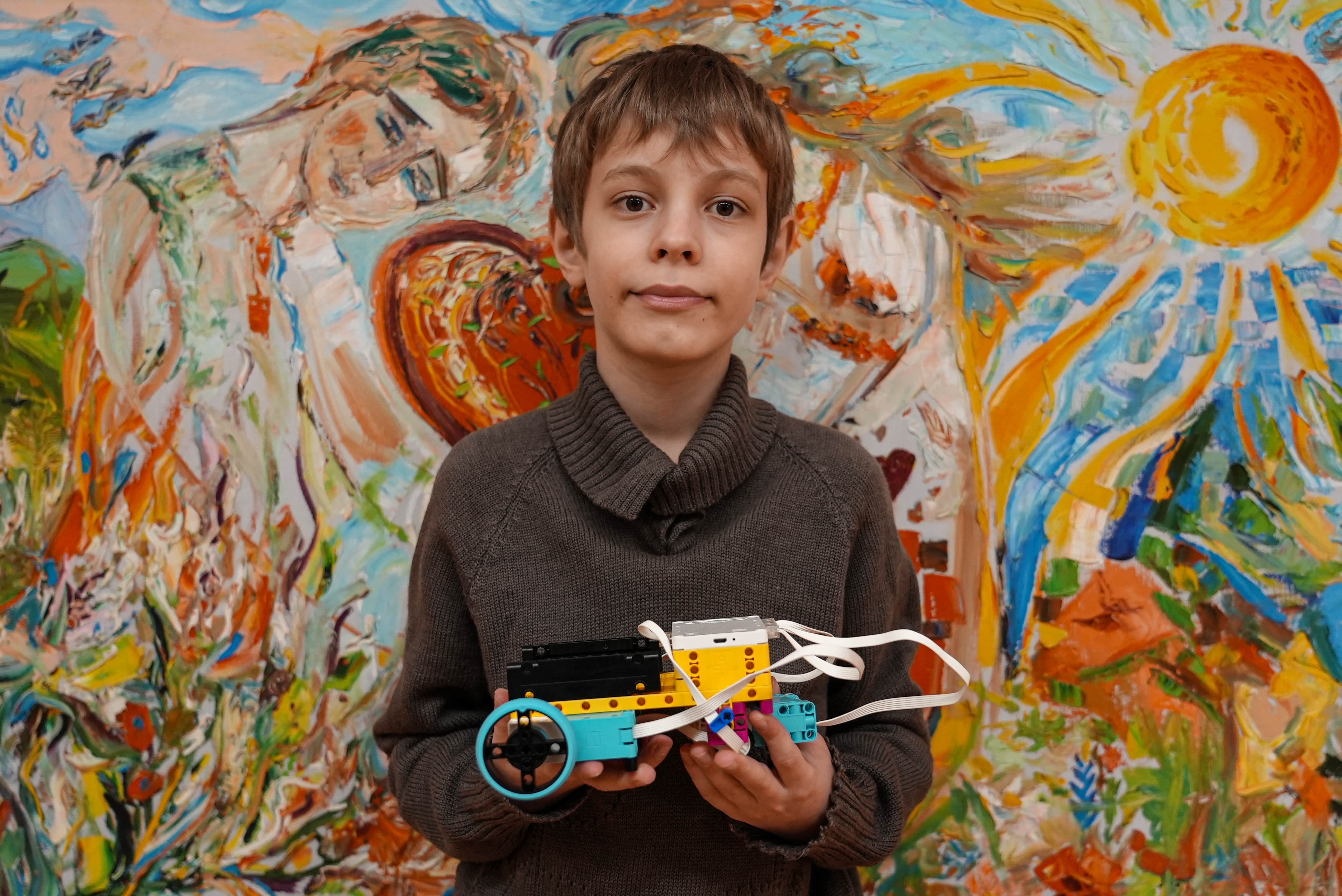
And nine-year-old Andriy from Kyiv voiced a longing for family unity: “I have a sister, her name is Kate. And we both wish our dad came back from war as soon as possible.”
“We believe in creating safe havens for children, and that's why we're deeply invested in our Child Friendly Spaces"
These experiences underline the ongoing need for child-focused protection and mental health support. Safe spaces, psychosocial programming, and educational activities remain critical for helping children cope with disruption and trauma caused by prolonged war. As of October 2025, 11 World Vision-supported Child Friendly Spaces across Ukraine have provided safe environments for more than 90,000 children, including 2,049 reached this year.
“We believe in creating safe havens for children, and that's why we're deeply invested in our Child Friendly Spaces – they're more than just places; they're vital sanctuaries where kids can begin to heal and find a sense of normalcy amidst difficult times," shares Alona Helbert, World Vision’s Child Protection and MHPSS Advisor.
The most challenging reality is how normalized war has become for children. They have learned survival skills, knowing where to hide during attacks, recognizing different aircraft by sound, and often witness adults struggling to maintain calm, leaving children anxious and uncertain. Kateryna, 17, from Kharkiv, expressed her broader wish in a letter: “The only thing I truly want is for other children, in other countries, to never feel what it’s like to have war.”
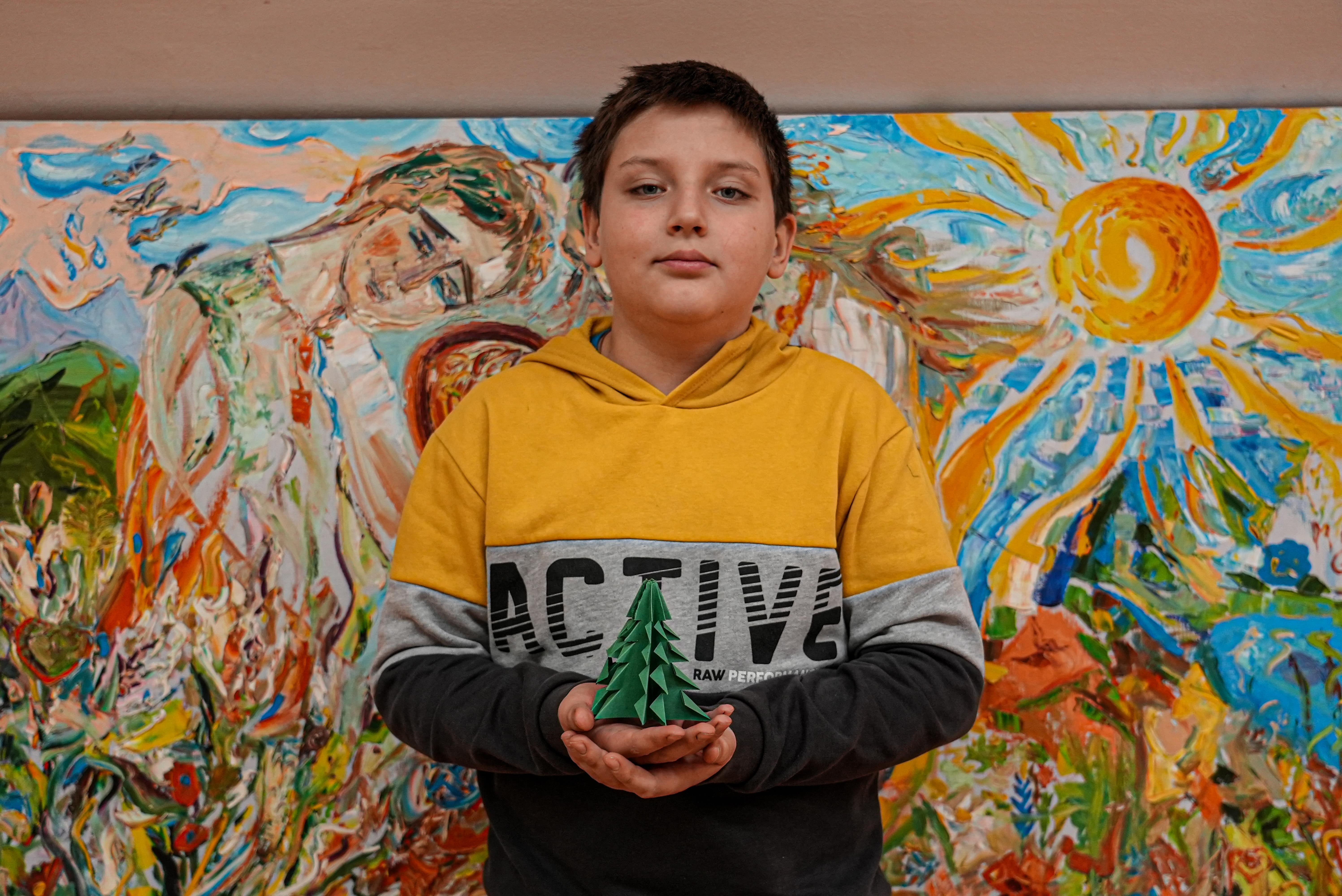
World Vision’s support extends beyond Child Friendly Spaces. Programmess include Psychological First Aid, Social and Emotional Learning, Problem Management Plus (PM+), and Multidisciplinary Mobile Teams that travel to remote areas to deliver essential mental health support.
“Our dedicated local teams, working hand-in-hand with partners, are the key. They're weaving together vital mental and emotional support, from assessments to tailored services, ensuring well-being is embedded in everything we do, from education to livelihoods," adds Alona Helbert.
As the world prepares for holidays, Ukrainian children live with war every day. Their wishes are simple but profound: for peace, safe birthdays, and Christmas magic that outshines fear.
Story and photos: Anastasiia Haviuk, Communications Officer I Copy editor: Laurentia Jora, Communication and Advocacy Manager