
Water, Sanitation and Hygiene for Every Child in Africa: A Child Rights Imperative

By Sam Norgah, Director, African Union Liaison Office | World Vision International
Across Africa, millions of children still begin and end each day without access to safe water, dignified sanitation, or basic hygiene. This is a violation of children’s rights, one that undermines their health, education, dignity, and chances of reaching their full potential. Today, an estimated 190 million children across ten African countries face a dangerous convergence of inadequate water and sanitation services, disease exposure, and climate shocks (according to a UNICEF Press Release March 2023) . In these settings, nearly one in three children lacks basic water at home, and two in three lack basic sanitation.
For too long, Water, Sanitation and Hygiene (WASH) has been treated primarily as an infrastructure issue - pipes, pumps, and latrines rather than what it truly is: a foundation for children’s rights and human development. Access to safe water and sanitation underpins several core rights guaranteed by the African Charter on the Rights and Welfare of the Child and the UNCRC, including the rights to life, survival and development; the highest attainable standard of health; education; protection; and human dignity.
Furthermore, according to the UNICEF – WHO report July 2023 ,the burden of inadequate water access disproportionately affects girls. In 7 out of 10 households without water on premises, women and girls are responsible for water collection, often at the expense of their education and safety . Time spent collecting water reduces study time, increases fatigue, and exposes girls to protection risks.
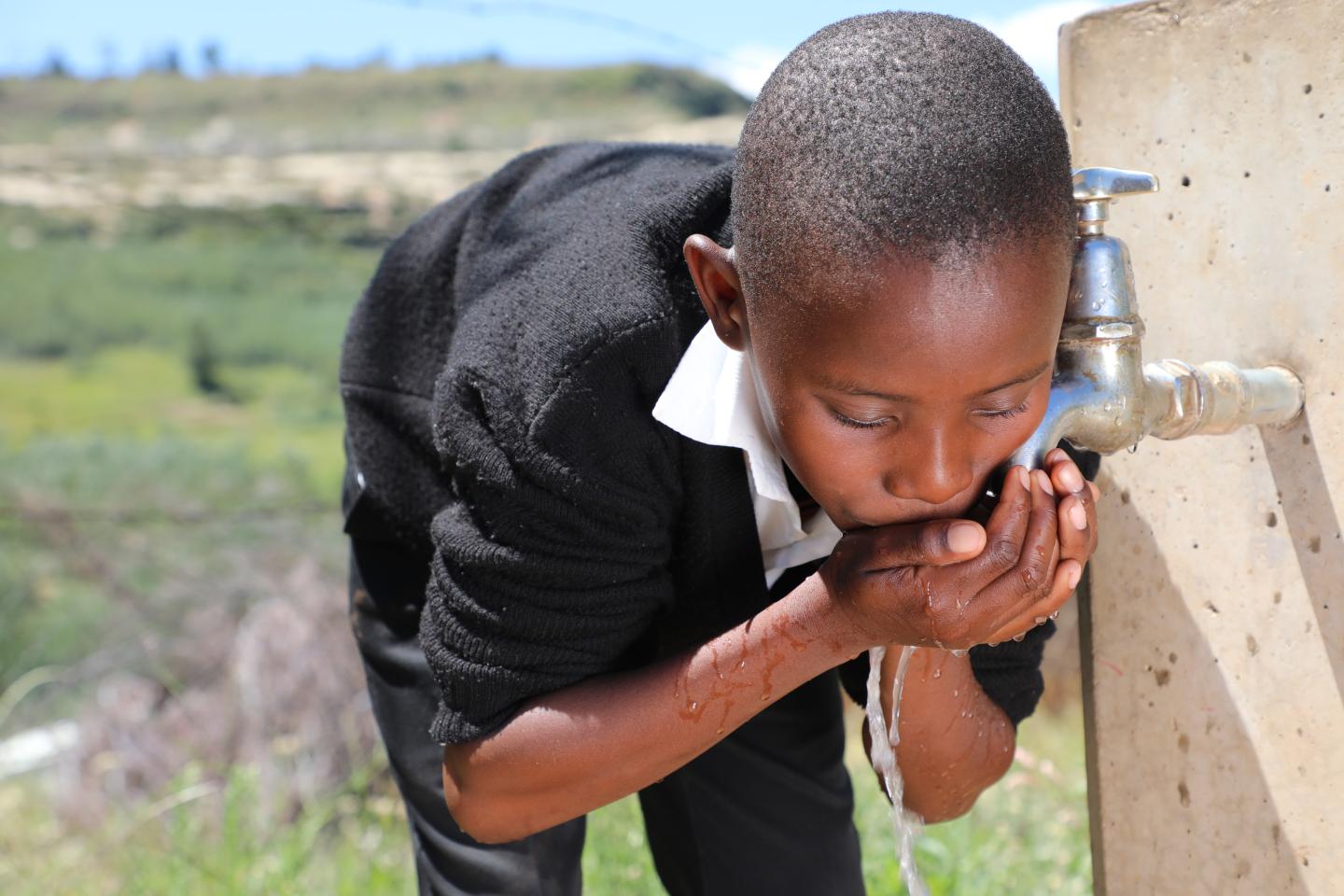
Viewing WASH through a child‑rights lens shifts responsibility clearly to governments and duty bearers. It demands that children be treated as rights‑holders whose needs must be prioritised in policies, plans, and budgets. The African Children’s Charter provides a strong normative foundation for child‑centred WASH, obligating States to promote, protect, and monitor the realisation of these rights.
The African Union’s 2026 theme on water, sanitation and hygiene, “assuring sustainable water availability and safe sanitation systems to achieve Agenda 2063” offers a timely opportunity to turn commitments into action. If anchored in a child‑rights approach, this agenda can strengthen coherence between WASH and child‑rights principles of survival, protection, participation and development elevating children's voices and unlocking sustained investment where it is most needed, particularly in schools, health facilities, and vulnerable communities.
Across Africa, evidence shows that progress accelerates when WASH interventions are community‑led, integrated, inclusive, and climate‑resilient. When governments partner with communities, civil society, faith leaders, and children themselves, outcomes improve and are sustainable. Africa can and should pursue a future where every child, regardless of where they are born or live, has reliable access to safe water, dignified sanitation, and hygiene.
At World Vision, we remain committed to working alongside the African Union, governments, and partners to help turn this vision into reality, for every child, everywhere, so that all may experience life in all its fullness.