
World Vision Joins Diverse Global Education Actors to Celebrate the International Literacy Day 2026

At World Vision we rejoice in celebrating International Literacy Day under a very important theme: “Literacy for people, the planet and prosperity.”
Celebrations at WV include reflections on the value of instructional practices that integrate reading and writing with nature, life skills and livelihoods purposefully to nurture the next generation of stewards for our planet. Effective literacy instruction does not only focus on reading and writing disconnected from real life but also integrates life skills that help students function effectively in real-life situations, such as critical thinking, decision-making and communication. Furthermore, it empowers children and young people to think, read, and write critically about our relationship with nature that we should manage responsibly to meet our current needs without compromising the ability of future generations to meet theirs.
World Vision believes that life skills integrating environmental critical thinking belong inside literacy instruction. They do not replace reading and writing curricular standards, vocabulary development, or comprehension work. Instead, they give those literacy skills practical and functional purposes. When all learners (especially those in vulnerable communities) see that reading and writing help them solve real-life problems, communicate clearly, and make informed choices, literacy becomes more meaningful to them and their caregivers.
WV reflects on the impact of Unlock Literacy, its literacy instructional approach for integrating reading and writing with nature, life skills and livelihoods. Through this approach, in 2025 World Vision supported school districts and communities by empowering 21,000 teachers and 200,000 parents who provided effective integrated literacy instruction across 66 countries.
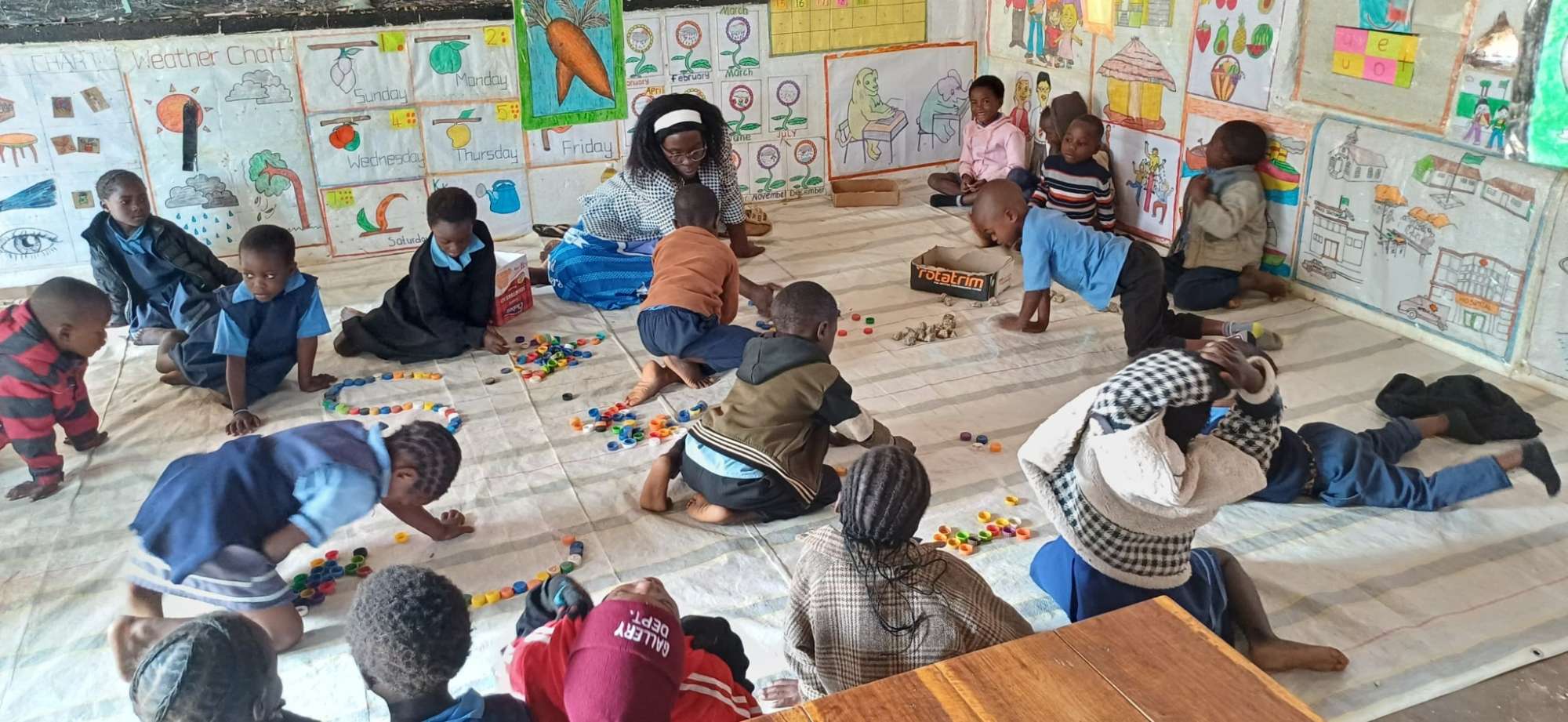
In Uganda, as a case in point, from this approach reading comprehension among Grade 3 learners rose from 20.2% to 75.2% between 2020 and 2024, with intervention schools outperforming matched controls by more than 10 percentage points. A key strength is the integration of classroom instruction with community-based reading support, reinforced by ongoing teacher mentorship and coaching by system actors. This approach is embedded in the government system, with mid-tier education officials trained to monitor instruction and support teachers. The integrated approach became increasingly cost-effective, with cost per child falling by 47%, from $30 to $15.90, and locally owned, with parents, community language boards, teachers, and families developing local-language readers and learning materials. Over 2,000 School Management Committee members across 541 schools have been trained to sustain progress and mobilize resources for continuity of the approach at the school level.
Similarly, in Indonesia, the integrated literacy instructional approach delivered one of the strongest and most complete evidence stories in World Vision’s literacy portfolio. The proportion of children reading with comprehension nearly doubled, from 32.0% at baseline in 2022 to 64.0% at endline in 2025, a statistically significant gain that exceeded the programme’s own target of 53%. Girls outperformed boys nationally, while 96% of trained teachers were still applying Unlock Literacy methods one year after training, providing evidence of sustained uptake. The approach also extended its impact beyond the classroom and into policy. Papua’s Governor issued a province wide Circular Letter on Literacy, and eight village governments now fund reading clubs and tutor incentives directly through their own budgets. This represents a notable example of government co ownership and local investment in literacy.
On this year’s International Literacy Day, we reaffirm our shared commitment and collaborative effort with governments, education development partners, communities and parents to enhance integrated literacy instruction and address the persistent learning poverty challenge.