
World Vision Lesotho Equips Teachers to Strengthen WASH Clubs, Active Citizenship and Disaster Preparedness

By Lebohang Takane, Graphic Design and Communication Officer
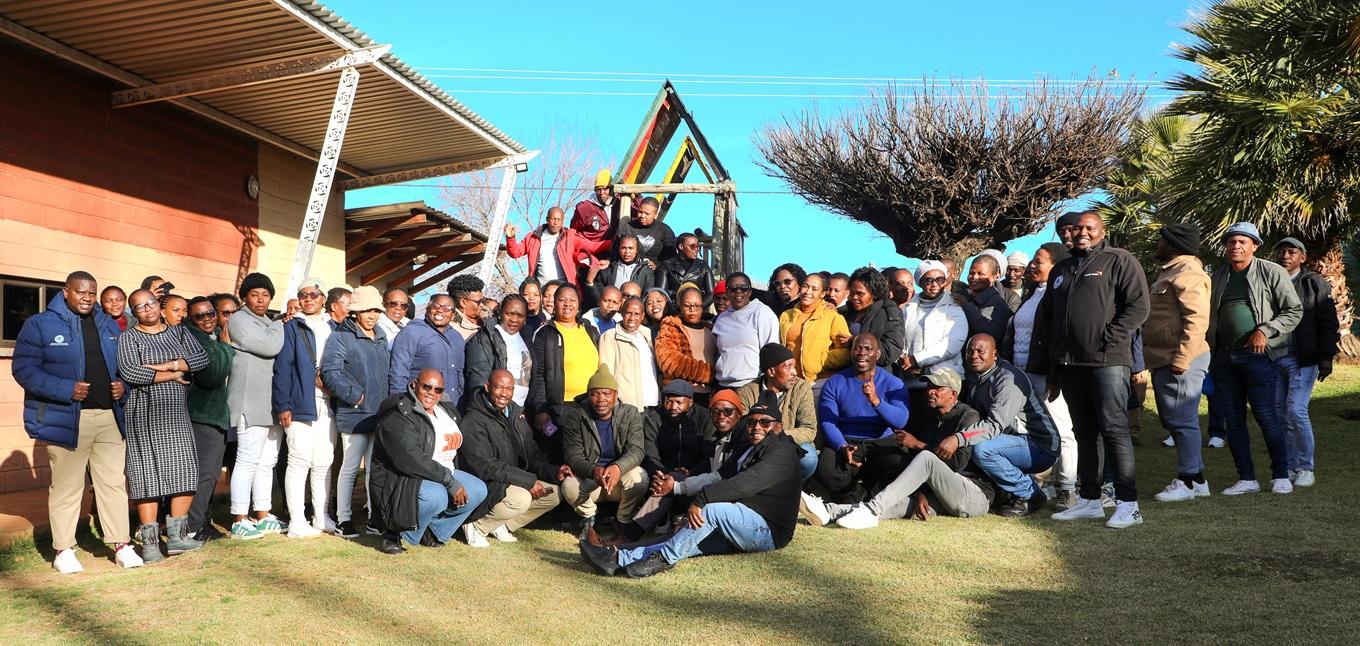
In its continued efforts to improve hygiene, health and learner wellbeing in schools, World Vision Lesotho, through its Water, Sanitation and Hygiene (WASH) sector, supports WASH Clubs as platforms where learners promote good hygiene practices, environmental responsibility and positive behaviour change among their peers. To strengthen these clubs, World Vision Lesotho, in collaboration with the Disaster Management Authority (DMA), brought together 81 WASH Club teachers in Pitseng for a week-long Integrated WASH, IMPACT+ Active Citizenship and Disaster Risk Reduction training.
The training reflects World Vision Lesotho's integrated programming approach, recognising that healthy, resilient and empowered learners require more than good hygiene practices alone. By combining Water, Sanitation and Hygiene (WASH), Active Citizenship through IMPACT+, and Disaster Risk Reduction, the initiative equipped teachers with practical knowledge and skills to guide learners in building healthier, safer and more resilient communities.
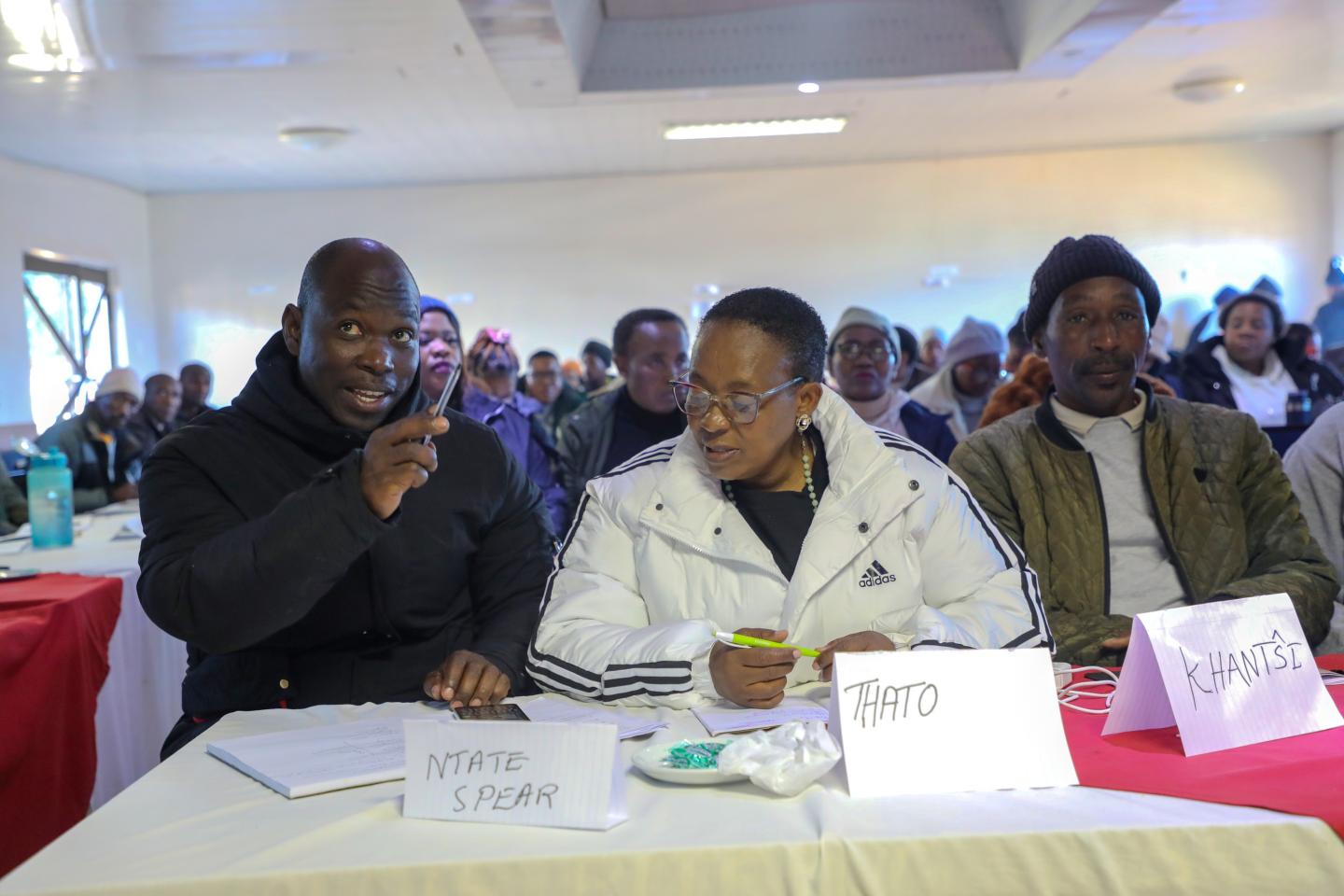
The week-long training brought together teachers from different schools to deepen their understanding of how school-based clubs can serve as practical platforms for child participation, behaviour change, leadership development and community action. Through interactive sessions and practical exercises, participants strengthened their capacity to support learners in addressing issues related to water, sanitation and hygiene, active citizenship, environmental responsibility and disaster preparedness.
Recognising learning environments as important spaces for shaping children's attitudes, behaviours and leadership skills, the training focused on strengthening functional WASH Clubs where learners can identify challenges, raise awareness and lead positive change within their schools. The sessions covered key areas including WASH and WASH Club roles, hygiene promotion and behaviour change, safe water management, sanitation and menstrual hygiene management, and the development of practical School WASH Action Plans.
Teachers also explored IMPACT+ and its Active Citizenship pillar, focusing on values such as integrity, respect, participation and trust as foundations for responsible leadership. Additional sessions on personal and group management, communication, child participation, community engagement, project management and community action equipped teachers with practical approaches for supporting learner-led initiatives. The training also introduced Disaster Risk Reduction, highlighting how learners can identify risks, promote preparedness and contribute to safer, more resilient schools.
Teachers Reflect on the Training
Participants described the training as practical and relevant, noting that it strengthened their understanding of how WASH Clubs can promote learner leadership, improve school health practices and build resilience.
Ms Phelane said the training helped her better understand the role of WASH Clubs in promoting hygiene and behaviour change among learners.
“Before this training, I saw the WASH Club mainly as a school activity, but I now understand that it can be a strong platform for changing behaviour. I have learned practical ways of guiding learners to promote handwashing, safe water uses and good sanitation practices. As a WASH Club teacher, I now feel more confident to help learners take ownership of hygiene issues.”
Ms Phelane's reflection highlighted the importance of empowering learners to become champions of good hygiene practices by taking ownership of the health and wellbeing of their schools.
Mr Ramalale reflected on the value of the IMPACT+ Active Citizenship component, particularly in helping teachers promote leadership, participation and responsibility among learners.
“What stood out for me was the active citizenship part of the training. It showed me how values such as integrity, respect, participation and trust can be taught through WASH Club activities. I also learned that the club should not only focus on hygiene, but should help learners become responsible and take action in their school and community.”
His reflection reinforced the importance of giving learners opportunities to participate, express their views and contribute to positive change within their schools and communities.
Ms Hlongoane said the Disaster Risk Reduction component was particularly important in helping teachers understand how learners can contribute to safer and more prepared schools.
“The disaster risk reduction sessions were very important because they showed that learners also have a role to play in making schools safer. I learned that children can help identify risks around the school and participate in discussions about preparedness and resilience. This training has given me practical knowledge to help learners become better prepared and more active in protecting their school environment.”
Ms Hlongoane's experience demonstrated how integrating disaster preparedness into school-based clubs can help learners identify risks, promote safety and strengthen school resilience.
Emphasizing the importance of the integrated approach, Ms. Pulane, Disaster Management & Climate Action Specialist at World Vision Lesotho, said:
“When teachers are empowered, learners gain the confidence to lead. Through this training, we are strengthening schools as spaces where children can practice hygiene, active citizenship and disaster preparedness while contributing to safer and more resilient communities.”
Strengthening School-Based Action for Healthier and Safer Communities
One of the key outcomes of the training was the development of practical School WASH Action Plans. These plans will help teachers and learners identify priority issues within their schools and outline clear, realistic steps for addressing them. The inclusion of project management, innovation and creativity encouraged teachers to move beyond awareness-raising by supporting learners to design simple, relevant and sustainable initiatives that respond to the needs of their schools and surrounding communities.
The Disaster Risk Reduction component further strengthened this approach by helping teachers understand how learners can identify potential hazards, promote preparedness and contribute to safer schools, particularly as communities continue to face challenges linked to climate change, environmental degradation and other emergencies that may disrupt children's education and wellbeing.
Building a Generation of Responsible and Resilient Young Leaders
The Integrated WASH, IMPACT+ Active Citizenship and Disaster Risk Reduction training forms part of World Vision Lesotho's broader commitment, in collaboration with the Disaster Management Authority (DMA), to promoting child wellbeing, resilience and community-led development. By investing in teachers, the initiative strengthens the systems that support learners to become informed, responsible and action-oriented citizens.
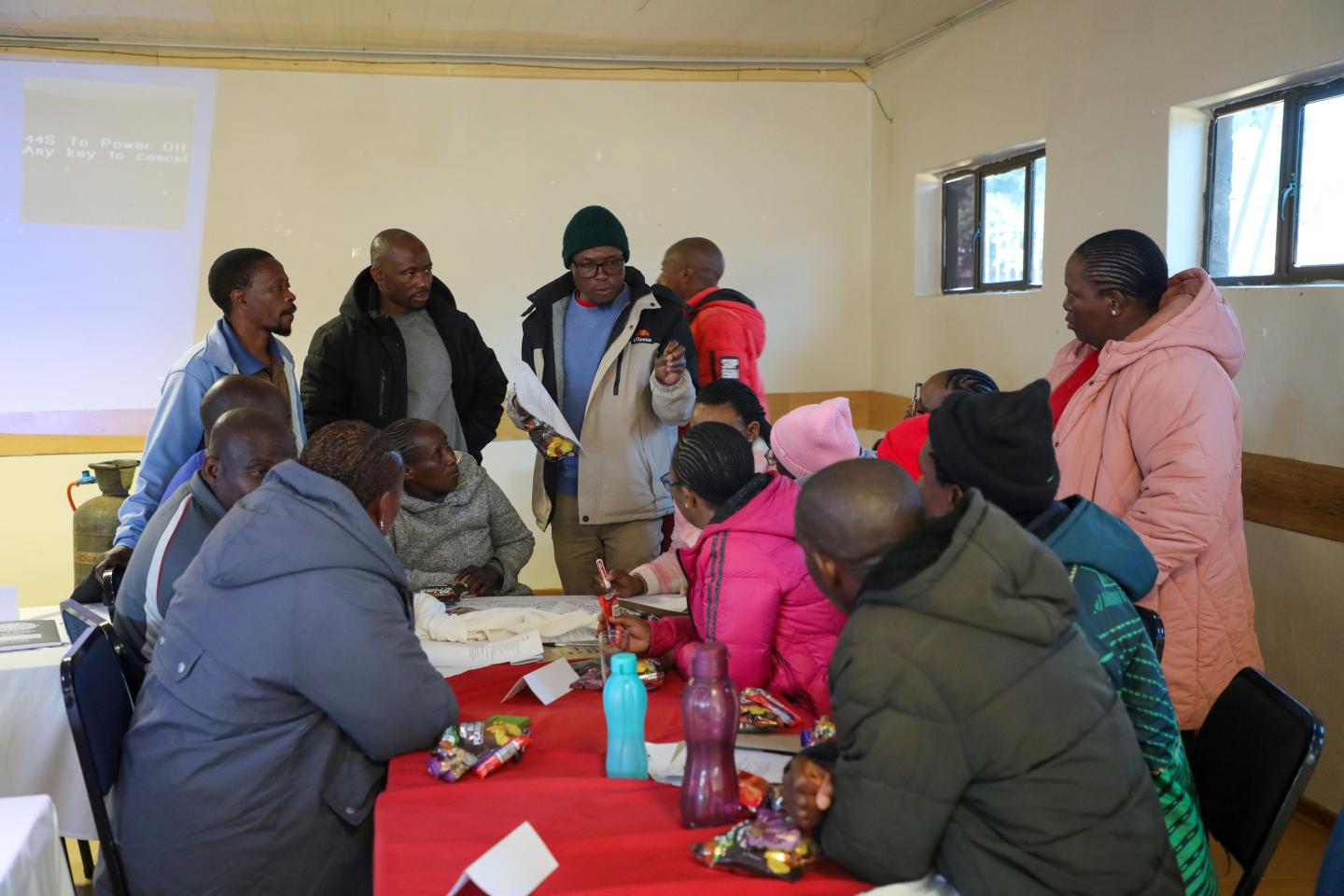
As teachers return to their schools, they carry renewed knowledge and practical tools to strengthen WASH Clubs, promote hygiene and sanitation, encourage child participation and support disaster preparedness. Through continued mentorship and school-level implementation, these clubs can become lasting platforms for leadership, behaviour change and resilience, enabling learners to build confidence, take responsibility and contribute to healthier, safer and more resilient school communities.
By integrating Water, Sanitation and Hygiene (WASH), Active Citizenship and Disaster Risk Reduction, World Vision Lesotho and the Disaster Management Authority (DMA) are strengthening schools as places where learners become healthier, more responsible and better prepared to respond to future challenges. When teachers are equipped with the right knowledge and tools, learners are inspired to lead positive change and communities become healthier, safer and more resilient.